

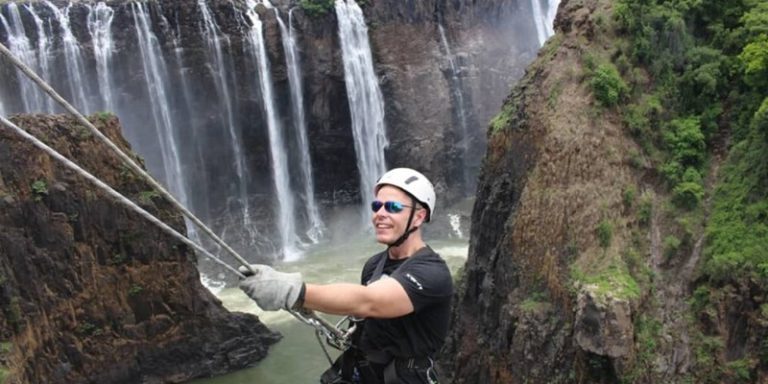
Abseil Victoria Falls (AFV) has suspended abseiling activity in the Batoka Gorge in Victoria Falls due to high water levels on the Zambezi River, which makes the activity dangerous. The adrenalin-rush activity, which was launched last year, will resume once the water levels drop.
By abseiling, tourists get a chance to descend to the waterfall’s Boiling Pot at the bottom of the gorge and take photos of the Falls. Clients can go as low as 100-metres down the gorge, depending on the water levels.
AVF commented: “For now, we are on a seasonal closure; we will be back soon when water levels decline.”
Water levels normally rise from April to mid-July, depending on the volume of rainfall that particular year.
Other high-wire activities in the resort town include a gorge swing, bridge swinging, white-water rafting, sky diving and bungee jumping. – Tourism Update
Zimbabwe Attracts Chinese Tourists
A historical group of over 343 Chinese business persons, leisure and media tourists are set to arrive in the country this Thursday, after touring Djibouti and Tanzania.
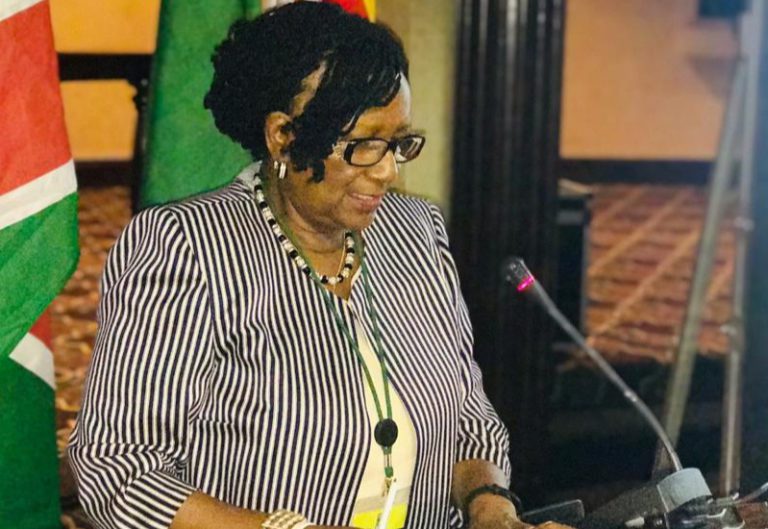
Addressing the media on the Touchroad delegation tour at the Rainbow Towers in Harare, Minister of Tourism and Hospitality Industry Honourable Prisca Mupfumira said the government is ready and committed to making the stay of the visitors memorable.
She said the government is happy that the cooperation with China Touchroad International Holdings Group has contributed to the growth of the tourism arrivals in Zimbabwe.
Minister Mupfumira said the country recorded 5 000 tourists arrivals per year, a figure which grew to 14 000 in 2017, with 2018 recording 19 428 arrivals.
She added that despite Zimbabwe and China being all-weather friends, the numbers in tourists’ arrivals were not pleasing hence the government’s thrust to develop tourism in China.
The grand group will tour the UNESCO heritage sites of Great Zimbabwe national monuments, and Victoria Falls to mention a few.
Minister Mupfumira said there will be a China-Zimbabwe Business Forum aimed at intensifying the business relations between the two countries adding that Zimbabwe will soon be opening a new tourism office in Shangai China.
President Emmerson Mnangagwa will host the visitors at state House.
5 Restaurants to try in Victoria Falls
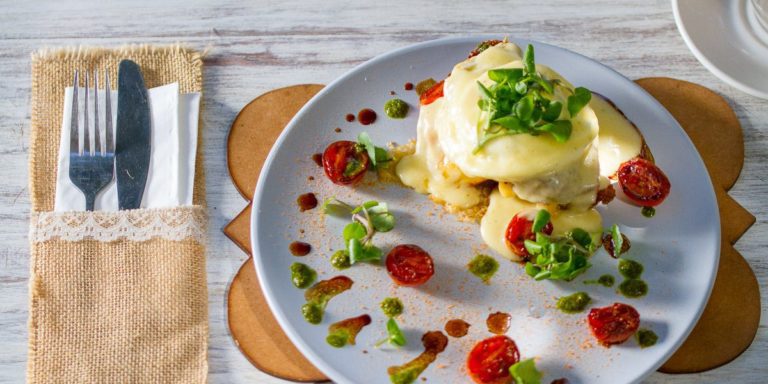
Victoria Falls is a feast for the senses, and now the culinary scene is getting even more exciting! New chefs are arriving, fresh eateries are popping up, and established hotels are opening their doors to the public for the first time. Here’s our list of 5 must-try restaurants in Victoria Falls guaranteed to tantalize your taste buds:
1. Three Monkeys
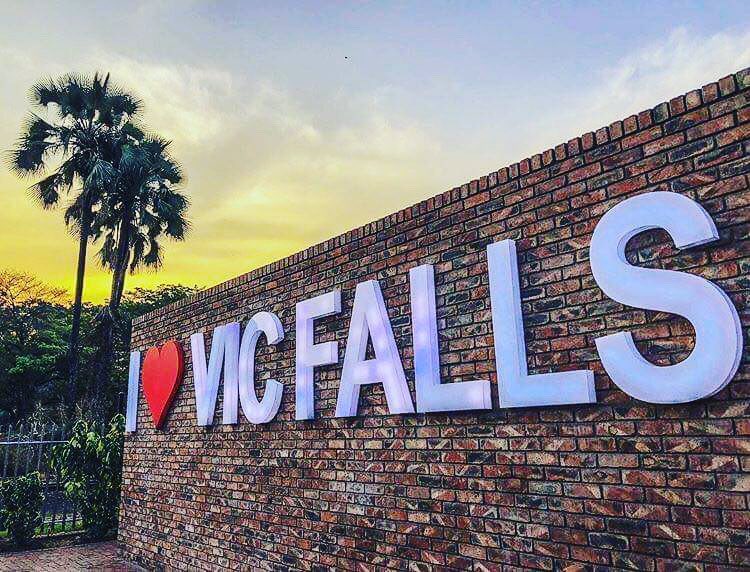
Three Monkeys is a fun and vibrant spot is a great place to unwind after a day of exploring the Falls. Located next to the railway line, they offer a unique outdoor dining experience under the stars, complete with the iconic “I LOVE VIC FALLS” slogan as your backdrop. Head Chef Greg Paymans serves up simple dishes perfected to mouthwatering deliciousness.
2. The River Brewing Co
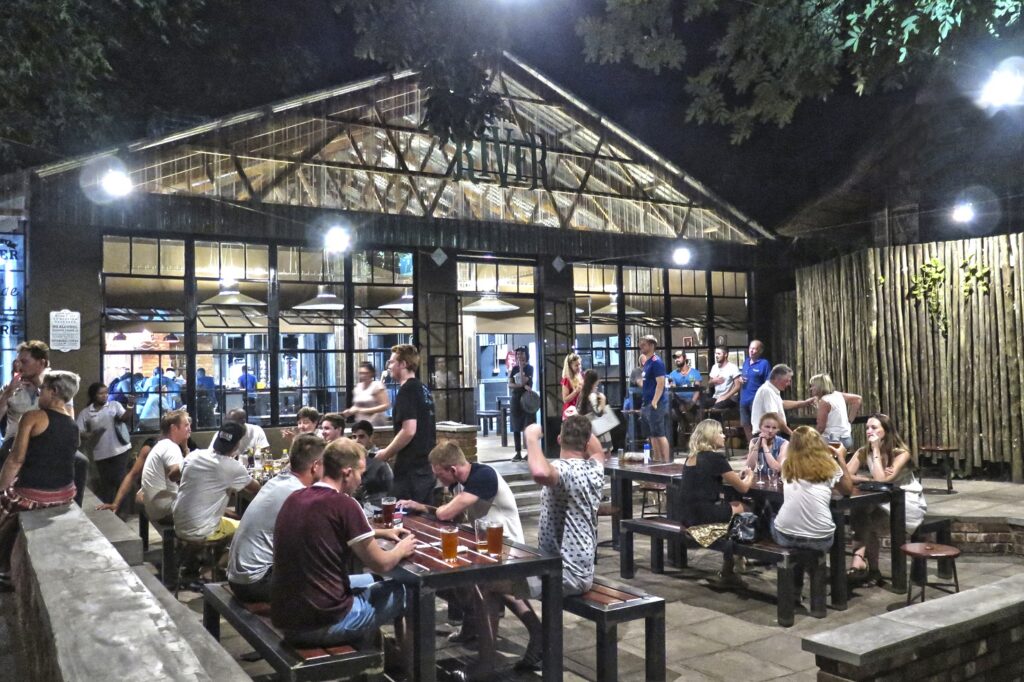
Beer lovers, rejoice! The River Brewing Co. lets you kick off your evening with a delightful beer tasting session. Sample their six handcrafted brews made on-site by their expert head brewer.
3. Dean’s
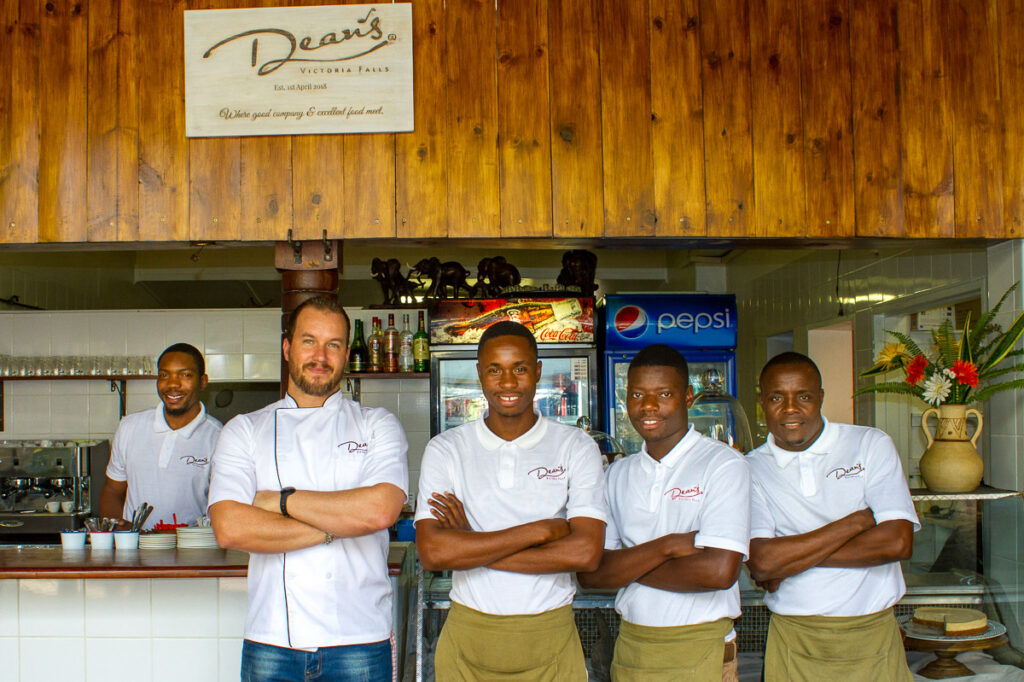
Tucked away in a charming courtyard, Dean’s is a modern cafe offering breakfast and lunch options. Opened by Zimbabwean chef Dean Jones, a graduate of Cape Town’s Silwood School of Cookery, Dean’s isn’t just about the food. Chef Jones, also known as “The Singing Chef,” hosts private dinners where guests enjoy a three-course meal under the stars accompanied by his melodious serenades.
4. 1871 at Stanley & Livingstone
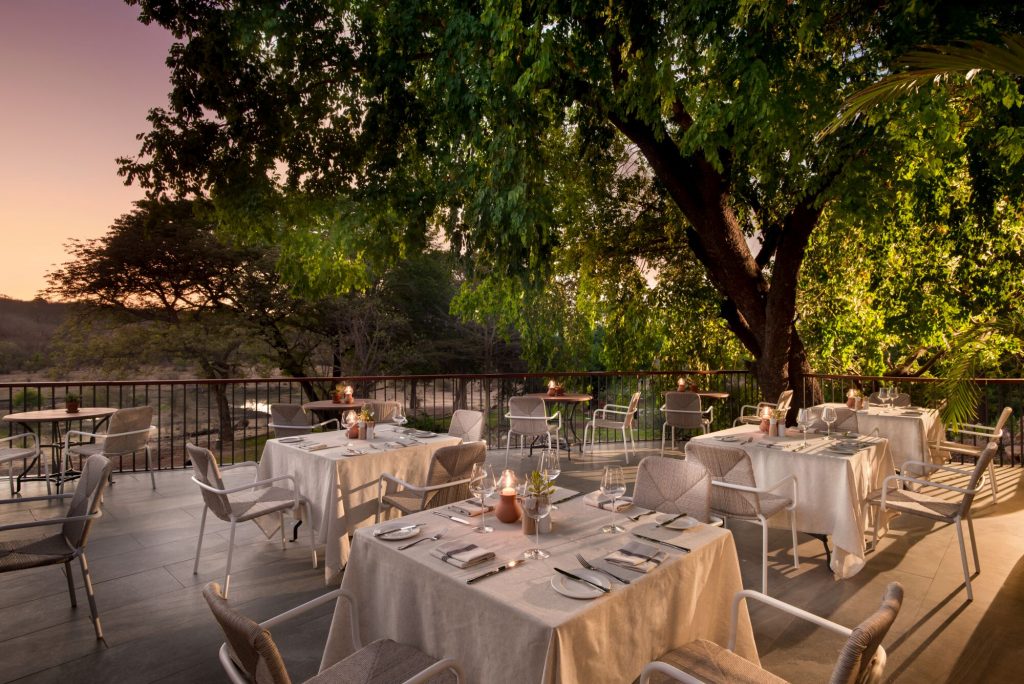
At Stanley & Livingstone’s restaurant 1871, evenings come alive with the sound of glasses filled with the Cape’s finest wines harmoniously paired with our seasonal offerings. Whether you choose to dine beneath the vast night sky or prefer a more intimate setting in your Suite, they cater to your preference. This is a must-visit for a refined dining experience.
5. Dusty Road Township Experience
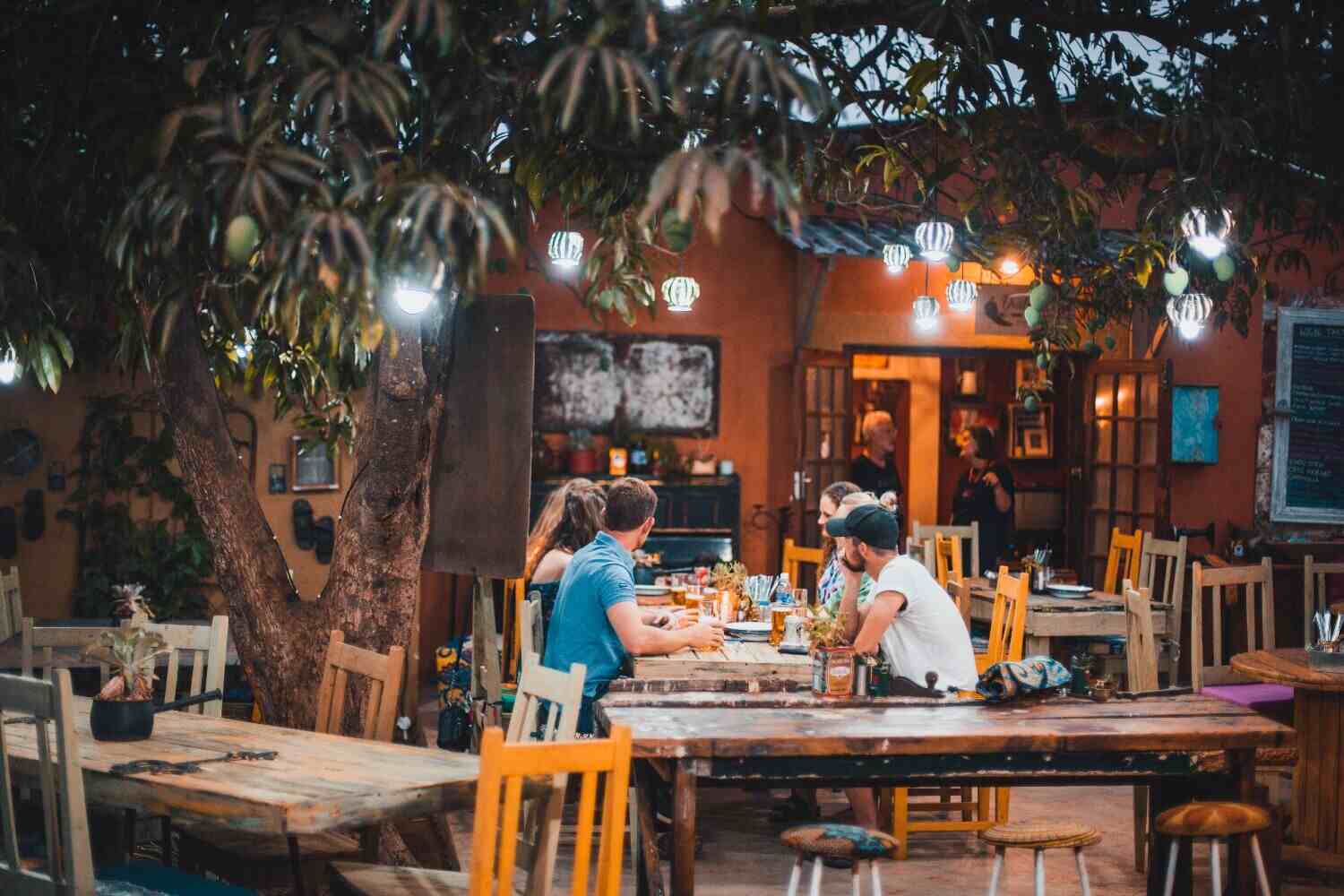
Craving township experience? Head to Dusty Road! a traditional Zimbabwean restaurant situated in the bustling heart of Chinotimba. Their menu boasts pizzas, sandwiches, wraps, burgers, steaks, and classic fish and chips – something to satisfy every craving. Dusty Road Township Experience’s food is cooked the Zimbabwean way: on open fires and in cast iron pots and ovens, giving guests an authentic, wholesome and tasty food experience.
So, whether you’re seeking a fun and funky atmosphere, a taste of local expertise, a luxurious dining experience, or a casual pub setting, Victoria Falls has something new to offer your taste buds. Be sure to add these restaurants to your itinerary and savour the culinary adventure that awaits!
Victoria Falls Safari Lodge Undergoes Renovations
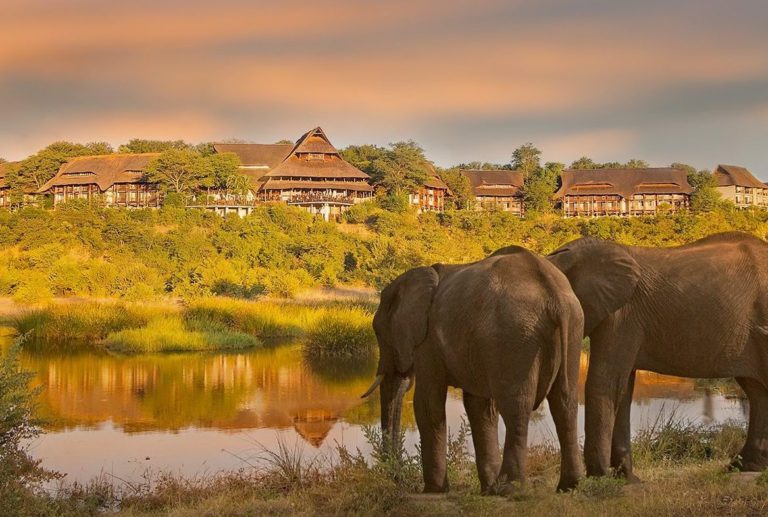
Victoria Falls Safari Lodge will be undergoing a number of renovations in May and June, says Africa Albida Tourism.
Rooms one to 16 will be completely rethatched. The work has been expedited due to an increase in monkey and baboon damage and will take place between June 5 and 24. The rooms are due to be back on inventory on June 25 or, if possible, sooner.
There will be as little inconvenience to guests as possible while the renovations are taking place, with the lodge management and guest relations teams monitoring all activity closely.
Kitchen and cookhouse
The kitchen and cookhouses are currently being renovated during the day, with the Boma Dinner and Drum Show operating, as usual, every night. However, where necessary, dinner numbers may be limited on certain evenings.
Once the renovations are complete, the project will deliver a bright, fresh, new Boma Experience.
Africa Albida Tourism offers luxurious properties in some of Africa’s most sought-after destinations – Victoria Falls, Zimbabwe and Chobe, Botswana. – Tourism Update
Cresta Oasis relaunched
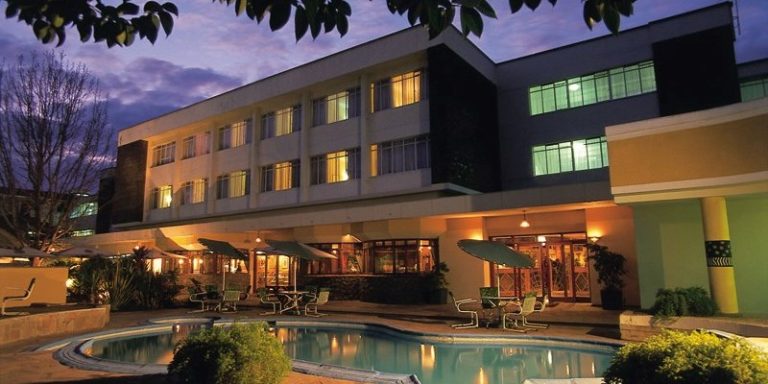
Cresta Oasis in Harare has been relaunched following the completion of its refurbishment.
Apartments and bedrooms, public areas and conference rooms were all renovated; and new carports a conference room, bar and entertainment centre have been added.
The hotel’s Country Director, Chipo Mandela, commented: “During the upgrade, we have also created at least five high-end digital smart rooms with no human interface from check-in to check-out. In all the bedrooms and apartments, bathrooms were upgraded.”
Cresta Hotels is a leading hospitality group in the region with five hotels in Zimbabwe, 11 in Botswana and one in Zambia. – Tourism Update
Two new camps open in Hwange National Park
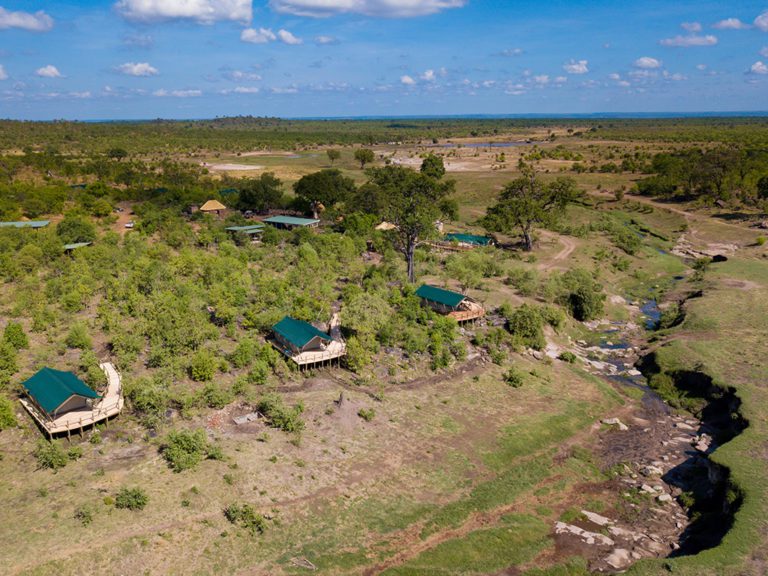
Classic Portfolio has added two new camps in Hwange National Park to its collection.
Machaba Safaris launched Deteema Springs in the northwest of the park on May 1. It will be open year round. Deka Camp, which will launch on June 1, will open annually from May 1 to November 15.
Deteema Springs
The camp is designed to blend into the surrounding rock and bush and has seven luxury tents and one family tent. It takes a maximum of 18 guests, with children over the age of six are welcome.
Facilities include a swimming pool, library, and limited WiFi. There are large concentrations of animals around the camp, including elephant, and year-round water makes the area ideal for walking and game drives.
Deka Camp
Deka Camp is also in northwest of the park overlooking Deka Seeps, the headwaters of the Deka River, which flows east to the Zambezi. The camp has six luxury tents and can accommodate 12 guests, with children over six years old welcome.
The camp has a swimming pool and library and activities include day and night drives, walking tours, visits to the Deteema dam and hide, and bush meals and drinks.
Access
Both camps can be accessed by air. The nearest international airport is Victoria Falls International Airport, followed by a 20-minute charter flight to Robins Airstrip (there are daily flights from Victoria Falls to Robins Airstrip). A 40-minute drive then takes guests from Robins Airstrip to Deteema Springs or Deka Camp. Passengers should be reminded that charter flights require soft bags of a maximum of 20kg per guest.
The camps can also be accessed by road – a three-hour drive from Victoria Falls to Robins Camp, followed by a 40-minute drive to Deteema Springs or Deka Camp.
Source: Tourism Update
Road Trip to Chirundu
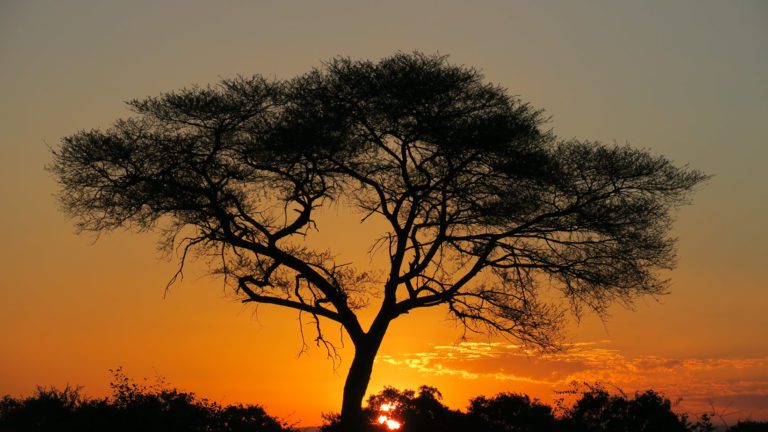
So you’ve seen Gwanda, Victoria Falls, and Shangani – now what? While Zimbabwe is home to a variety of landscapes and attractions the country can be so expansive, there are always new wonders to discover.
Last weekend I visited a beautiful wildlife concession in the Lower Zambezi Valley located in the Northern parts of the country. I journeyed to Chirundu Safari lodge, an unfenced piece of African paradise surrounded by the Nyakasanga Safari Area. This remote area of the Zambezi floodplain has an abundance of wild animals including elephants, crocodile, waterbuck – making it an ideal location for wildlife photography.
The Chirundu Safari Lodge is a private safari resort and is not open to the public. Prior bookings need to be made and confirmed before visiting or entering the concession. And why not? It’s the perfect place to greet spectacular sunrises with a warm cup of coffee and glowing sunsets with a cold gin and tonic.🇿🇼
Camera: Canon PowerShot G3 X
Photos: Sebastian Kruger
The age of multigenerational travel is here
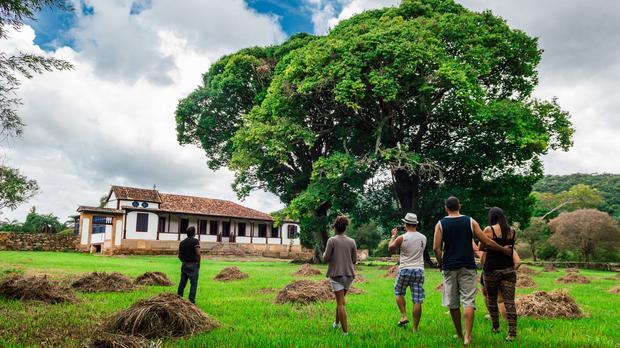
Family travel has taken off in a big way. Multigenerational travel is changing the way people travel- and many people are swapping luxury holidays for budget-friendly ones.
According to a survey conducted by leading global travel network, Virtuoso, multigenerational travel emerges as this year’s top vacation trend.
This means that industry experts need to make certain that they devise plans to cater to the preferences among cross-generational travellers. A big trend is home rentals. It was identified as one of the top travel trends for 2019 by Conde Nast Traveller, with family members and groups of friends clubbing together to rent homes away from home.
According to Velma Corcoran, Airbnb Country Manager for South Africa, accommodation disruptors is aimed at travellers who want affordable and immersive experiences. With particular regard to family travel, Corcoran said places like Airbnb offer homes ideal for families who would never be able to travel together due to the high cost of accommodation.
There is also the challenge of catering to different expectations in terms of family dynamics. For instance, grandparents are increasingly travelling with their extended families. They’re the baby boomers who are now all grown up, in their sixties and seventies and are the “empty-nesters” who want to spend quality time with all their offspring. Heading for (or already being in) retirement means value for money has become extremely important in their travel decisions. But while budgets count, they still expect a level of comfort, style and great travel memories in terms of where they rest their heads, eat their breakfasts and see the sights while on vacation.
Meanwhile, on the other end of the scale, their Generation Z grandchildren want immersive experiences and Instagrammable moments. Ranging anywhere from pre-teens to those in their early 20s, members of this generation are now being called the “destination disruptors” and are calling the shots on family holidays. Virtuoso claims they hold the most influence over their families’ travel decisions.
Travel destinations that incorporate things such as “voluntourism” (volunteering holidays that benefit local communities), nomadic journeys spent discovering familial roots, or culturally immersive experiences that take them out of their everyday lives and into those of other cultures are high on the Gen Z list.
Combining these very different expectations across the generations is resulting in a paradigm shift away from traditional travel choices, as extended families look for both the most pocket-friendly solutions and innovative attractions to suit and satisfy the entire brood.
Indeed, outdoor adventures and, in particular, coastal towns that offer these are rising high in popularity stakes.
Vulture restaurant opens in Zimbabwe
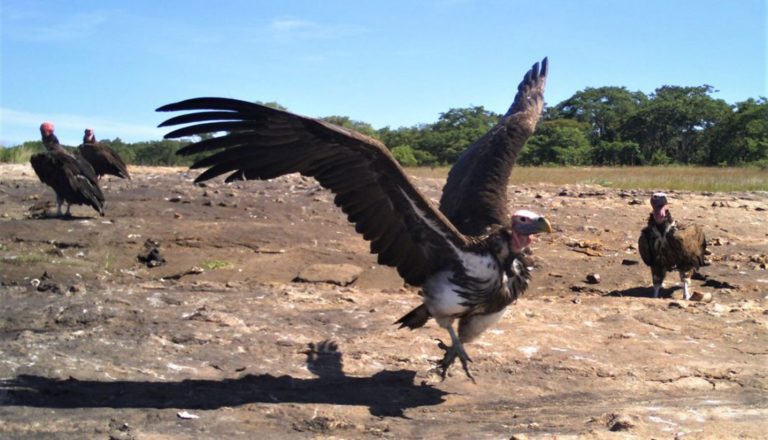
Shangani Vulture Restaurant (SVR) has opened at Shangani Wildlife Sanctuary (SWS) in Zimbabwe’s Matabeleland North Province, along the Gweru-Bulawayo road.
The restaurant gives tourists the opportunity to view the birds at close range during and after feeding, as well as take advantage of photographic opportunities.
SVR is set on a rocky outcrop, and the birds are fed with offcuts from a nearby abattoir as well as wildlife carcasses.
“The restaurant has been a very successful platform to educate tourists on the importance of vultures, and to build support on their conservation efforts,” says SWS.
It says cameras have also been installed around the restaurant to track the number and species of birds that visit. “To date, Lappet-faced, white-backed, Cape and hooded vultures have all come to feed, with the white-backed – which is listed by the World Conservation Union (IUCN) as Critically Endangered – dominating.”
The next step for the Sanctuary is to work with the Vulture Conservation Programme in fitting tracking devices to lappet-faced vultures, in order to get an understanding of their range and nesting sites in relation to the restaurant. “This is still in its infancy, and we are starting the process of consulting with Zimparks in order to obtain the necessary permits to allow us to capture and tag vultures.”
Zimbabwe has six of the 11 main vulture species that are found on the African continent.
Ten Things You Should Know About Rabat
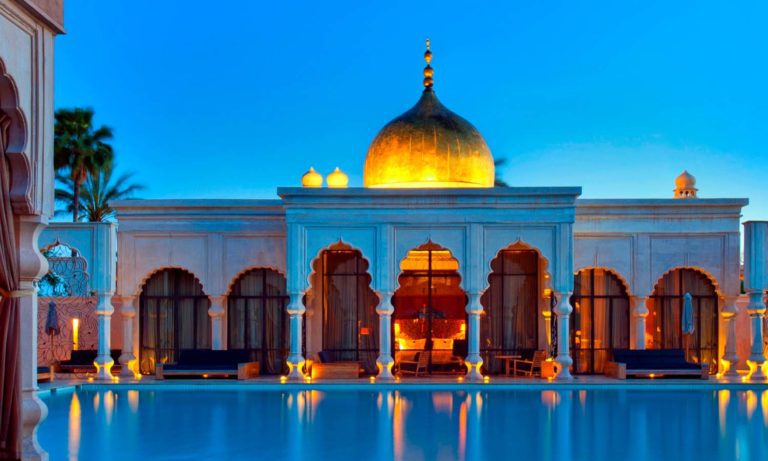
Often overlooked by tourists, Rabat, the pleasant capital city of the Kingdom of Morocco, is second-largest to better-known Casablanca. Although just as cosmopolitan, it lacks the frantic pace and grimy feel of its economic big brother. Relaxed, well-kept and very European, Rabat’s elegant tree-lined boulevards and imposing administrative buildings exude an unhurried, diplomatic and hassle-free charm that many travellers grow to like.
Rabat is located on the Atlantic Ocean at the mouth of the historic river Bou Regreg. Known as the ‘royal city’, it is ideal for travellers who appreciate culture and history.
Getting there and away
Rabat has a small airport, Rabat-Sale Airport, just outside of town, serviced by Royal Air Maroc and Air France. However, most visitors will arrive by train from Casablanca (where the main international airport is). Frequent high-speed trains from Casablanca take less than an hour to reach Rabat. Long-distance buses are also readily available from every major town in Morocco. Rabat’s airport is located about 8km east-northeast of the city and a train ticket from the airport to Rabat costs about 80 Moroccan Dirham (US $9.50).
Getting around
Located 70km north of Casablanca, and only 50 minutes by rapid train, Rabat is as easy to navigate as it is to get to as most roads lead off the central boulevard. Blue ‘petite taxis’ are cheap and plentiful between the major attractions, or perhaps don your walking shoes and explore this pedestrian-friendly city on foot. Local taxis are available, but drivers do not speak much English, so it is best to know the French name of the place you want to go to beforehand. For something different, try getting to Sale, Rabat’s sister town across the river, by rowboat.
Where to stay
At the Golden Tulip Farah Rabat Hotel, the exceptional setting marries sophistication with comfort. It is an ideal location for business and pleasure to meet, providing a number of restaurants, bars and meeting rooms, as well as swimming pool and health and fitness clubs.
The Hotel Sofitel Rabat Jardin des Roses occupies a majestic position in the heart of Rabat, close to the Royal Palace and Mausoleum of Mohammed V. This 5-star luxury hotel is set amongst a 17-acre garden; a regal palace with an international reputation, it is an oasis of relaxation and pleasure.
Eating out
Restaurant Dinarjat is stylish, elegant and a favourite of the Medina crowd. It’s set in a superb 17th-century Andalusian-style house in the heart of the Medina. Le Petit Beur Dar Tajine is a modest little place renowned for its excellent Moroccan food, including succulent tajines and heavenly couscous. This restaurant livens up at night when the waiters double as musicians.
Le Grand Comptoir Rabat oozes the charms of an old-world Parisienne brasserie. This suave restaurant and lounge bar woos customers with its chic surroundings and classic French menu. Candelabras, giant palms and contemporary art adorn the grand salon while a pianist tinkles in the background.
History and culture
As with many Moroccan cities, Rabat is divided into the Medina (old-walled city) and the Ville Nouvelle (new city, built by the French). Rabat is where the government is located, and is also the residence for the King of Morocco. The city has a rich history but is a fairly new capital. The French gave it this status in 1912 and it remained the capital as per the King’s wishes after independence in 1956.
Moroccans express their culture through the arts; from making carpets, jewellery and textile fabrics to carving, painting and music. Music is deeply ingrained in the culture, and everywhere you go you’ll find music groups playing at marketplaces or in cafés in the evening, especially during Ramadan.
In the city
The Archaeological Museum in Rabat is a must-see. Built in 1932, the original museum has been greatly enlarged in order to provide adequate housing for the ever-expanding plethora of archaeological discoveries that have been found in Morocco. The building itself has been the site of the National Museum Collection since 1986 and has a lot to offer the average visitor.
The Chellah Gardens are beautifully landscaped with hundreds of flowers coming into bloom during springtime, which results in the most amazing variety of scents. The flowers come in every colour imaginable and produce an incredible display for visitors to enjoy.
Outdoor activities
One of the reasons that Rabat is such a popular destination in Morocco is its coastal location. Rabat has a pristine beach where you can spend a relaxing day soaking up the sun or surfing.
If you are an outdoors enthusiast and would like to explore Morocco’s natural scenery, the Lac Sidi Boughaba Parc is just 20km north of Rabat’s city centre. Lac Sidi Boughaba Parc is a beautiful biological reserve home to a wealth of fauna and flora. At the reserve you can enjoy hiking while exploring the wildlife, picnicking and even fishing at the lake.
Nightlife
If you feel the urge to dance, 5th Avenue is an American-themed bar styled on a Moroccan impression of New York. It plays a spectacular range of music and features everything from hip hop to techno to Middle Eastern beats.
XVIème is an upmarket, stylish and urbane club in Agdal occupied by Rabat’s finest socialites, but is rather on the expensive side. If you are in the mood for a sophisticated night out on the town, put on your fanciest clothes and visit an ATM before joining the queue at the door.
Shopping
One of the must-see attractions is the Medina (or souk) of Rabat, which is in the older part of the city and can be entered through Souika Street. In the medina of Rabat there are plenty of traditional shops and cafes to visit and explore. Rabat’s medina is a pleasure to walk around in as it is relatively hassle-free in comparison to other larger medinas in Morocco. There are lots of craft shops that contain a variety of items, like the well-known Rabat and Berber carpets and embroidered fabrics.
Moroccan’s are by nature very friendly and, if offered, be sure to partake in some mint tea, which is refreshing after a hard bargain.
Language
Arabic and French are the most common languages you’ll hear on the streets of Rabat. Standard Arabic is the official language of Morocco. Though it is somewhat different from most other types of Arabic, most Moroccans can understand conventional Arabic.
Though not seen as an indigenous language in Morocco, at least half of the population is capable of speaking French. This is due to the strong French influence during the period of 1912 to 1956, which has also left a large amount of French architecture in parts of Morocco.