

The African Airlines That Should Be on Your Radar
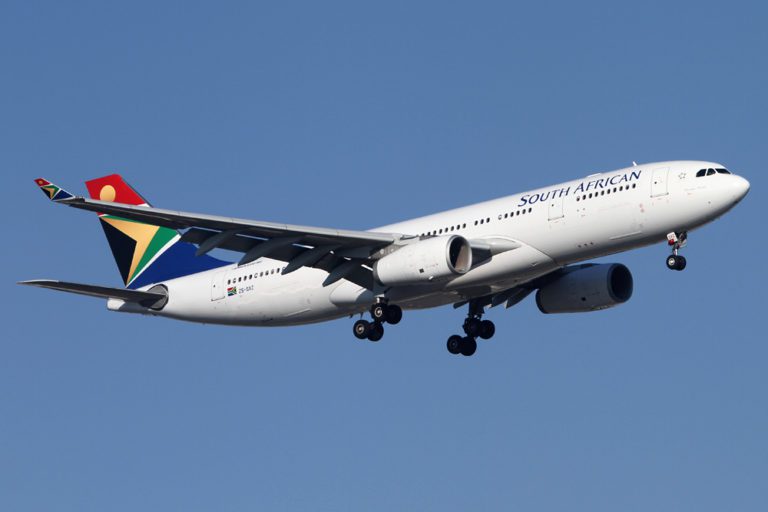
Exactly a year ago, if a New Yorker wanted to get to Nairobi, they were looking at around 24 hours of flight time and at least one plane change under the best of circumstances. But last October, Kenya Airways’ new direct flight changed all that, shaving 10 hours off that flight time and eliminating the transfer. For those of us (and in the U.S., it’s a lot of us) who want to travel far but don’t have the luxury of time, it was a big deal. It’s one example of how these days, the rising number of African airlines with conveniently U.S.-friendly routes is becoming the smartest way for us to explore the continent—and help us bop around from safari to jungle to the beach once there.
It’s worthwhile familiarizing yourself with, say Egyptair, perhaps, or Royal Air Maroc, two of the continent’s top-tier carriers who are aggressively expanding their service, both to Africa and inter-continentally. This rise in homegrown airlines more easily unlocks some destinations which were hard to reach for long-haul visitors as well as offering a ton of new direct flights from North America which make a quick trip more feasible (Casablanca is absolutely doable for a long weekend). That’s not to say some of our own carriers are not doing their part to get us to the savanna sooner—United will launch a direct Newark to Cape Town flight this December. But these African airlines are not just upping the ante in terms of comfort and access, they also help start the experience of being there before touching down. Below, a quick primer to the top six to get you into north, south, and east Africa right now.
Zimbabwe Tourism Authority Opens Office In Asia

The Zimbabwe Tourism Authority (ZTA) has opened an office in China. This move is premised at increasing the number of tourists that visit Zimbabwe from Asia.
The development was disclosed by Environment, Tourism and Hospitality Industry minister Priscah Mupfumira.
She said: This initiative comes at an opportune time when Zimbabwe is really looking at intensifying its marketing efforts in major source markets like China, which is in line with the Vision 2030: National Tourism Recovery and Growth Strategy. This tourism project illustrates efforts that will go a long towards doubling tourists to Zimbabwe from China in the near future.
The number of Chinese tourists to Zimbabwe has been increasing recently. It has grown from 14 407 arrivals recorded in 2017 to 19 428 last year.
The opening of the new office comes when 340 Chinese tourists are set to travel to Zimbabwe today as part of a three-country tour, which will include Djibouti and Tanzania. ZTA acting chief executive Rita Likukuma said it is important to show them hospitality.
She said: The significance of that speaks to the volumes of tourists that we will be getting out of China. Already, we are having the inaugural flight which is a three-country visit. Over 340 delegates will be coming as tourists to sample Zimbabwe and to dispel some of the fears they may have about Zimbabwe and Africa.
It is important that the friendly, warm and cultured people of Zimbabwe meet and give them a very memorable experience.
Egypt partners CNN to promote tourism
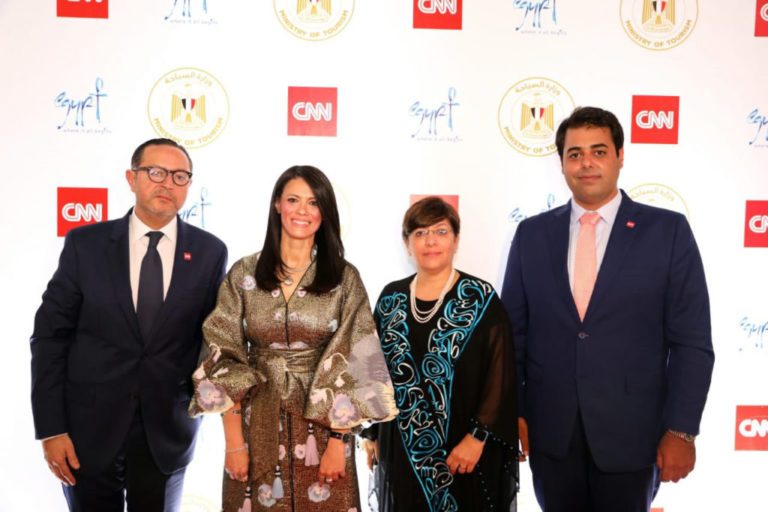
Egypt and CNN are beginning an expanded partnership on a worldwide extended tourism campaign established in May that exhibits contemporary Egypt across an innovative mix of TV, digital and social media platforms.
In an official press release Tuesday, CNN said the fresh partnership between Egypt’s Ministry of Tourism and CNN International Commercial (CNNIC) will witness both sides working collaboratively for the global campaign to enrapture and excite Egypt’s key audiences worldwide.
According to the statement, the objective of the deal comes under Egypt’s plan to accelerate its tourism growth through showcasing the beauty of the country and its diverse destinations and the warmth hospitality of its people to CNN’s global audience.
The partnership comes under Egyptian Minister of Tourism Rania Al-Mashat’s vision of developing sustainable tourism and aiding Egypt in bolstering its tourism industry under the Egypt-Tourism Reform Programme (E-TRP).
The partnership comes as Egypt preps for the hosting of Africa Cup of Nations this summer, and ahead of the inauguration of the Grand Egyptian Museum (GEM) in 2020.
“”The diversification of marketing and media platforms, a key pillar of the Egypt-Tourism Reform Programme, contributes to the changing narrative of the sector. The combined appeal of the beauty of Egypt and warmth of our people is the foundation of the significant growth in our country’s tourism,” El-Mashat said.
Vice president of CNN International Commercial Cathy Ibal said: “This new partnership takes our nation branding work with Egypt’s Ministry of Tourism to a new level by leveraging the cumulative impact of all CNN platforms, content and technology to ensure that the beauty of Egypt and its people resonates deeply with the right audiences.”
Advertising will be placed adjacent to relevant content such as CNN Travel on digital platforms, using first-party data to reach specific segments and engage with CNN’s audiences showing interest in editorial content about Egypt, according to the statement.
Egypt has been working on boosting its tourism industry, which suffered major blows following the 2011 revolution and later political and economic instability.
In March, El-Mashat said that the tourism sector’s growth rate rapidly increased, recording 16.5 percent, which exceeds the international average.
Source: ATTA
Tanzania plans cable car on Mt Kilimanjaro
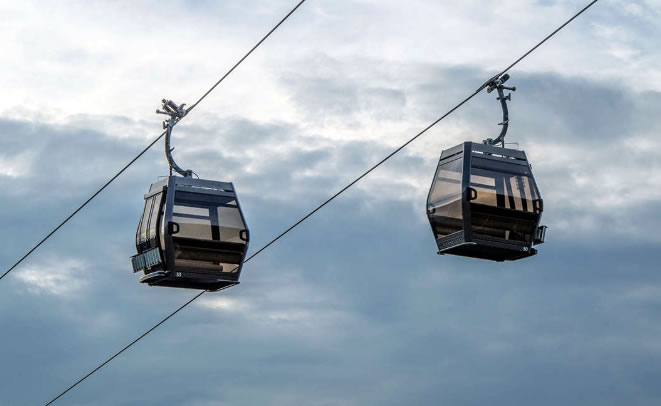
Around 50,000 tourists climb Kilimanjaro annually. A cable car could increase tourist numbers by 50 percent by providing access to the mountain for those unable to climb it, Constantine Kanyasu, the deputy minister for tourism, said.
The country is conducting feasibility studies on possible routes at the moment, Kanyasu told Reuters.
“We are still doing a feasibility study to see if this project works,” he said. “There are two companies one from China and another from a Western country that have shown interest.”
“This won’t be the first time in the world, cable cars are there in Sweden, Italy, the Himalayas,” he said.
Kanyasu said the government was looking at business plans, potential investors and profits.
The length of the route has not been finalised, with various options under consideration depending on cost and engineering issues, the minister said. An environmental impact assessment would also be carried out, he said.
Porter and guide groups who take tourists up the mountain oppose the project because they fear cable cars will reduce the number of climbers.
Loishiye Mollel, head of Tanzania Porters’ Organisation, said visitors normally spend a week climbing the mountain.
“One visitor from the U.S. can have a maximum of 15 people behind him, of which 13 are porters, a cook and a guide. All these jobs will be affected by a cable car,” he said.
“We are of the view that the mountain should be left as it is.”
There are about 20,000 porters working between Mount Kilimanjaro and Meru, another mountain nearby, he said.
Tanzania’s earnings from tourism jumped 7.13 percent last year, helped by an increase in arrivals from foreign visitors. Tourism revenues raised $2.43 billion for the year, up from $2.19 billion in 2017.
Tourism is the main source of hard currency in Tanzania, known for its beaches, wildlife safaris and Mount Kilimanjaro, which has three volcanic cones and is nearly 5,000 metres high from its base.
Source: Voyages Afriq
African Sun ends management deal with Legacy
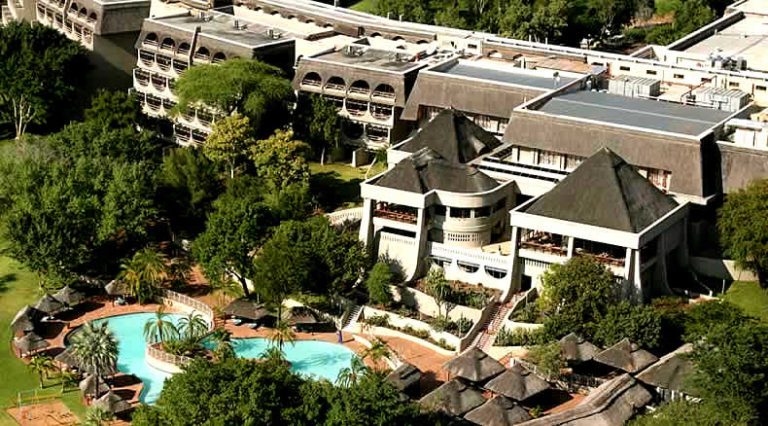
HARARE – Hotel and leisure chain, African Sun said on Friday it has terminated a deal it entered into over three and a half years ago with South African group, Legacy Hospitality Management Services Limited (Legacy) to manage five of its local hotels.
Signed amid pomp and fanfare and touted as the best move towards improving profitability, growth and visibility of the hotels in September 2015, the deal entailed a $60 million facelift of the properties.
The five hotels which were put under Legacy management and were then re-branded include Elephant Hills in Victoria Falls, Monomotapa in the capital, Troutbeck Resort in Nyanga, Hwange Safari Lodge and the Kingdom at Victoria Falls Hotel.
While thanking Legacy for “its association over this period,” African Sun said management of the hotels had reverted back to its owner and a handover/takeover process was underway.
“We would like to assure our stakeholders that this termination will not adversely affect the delivery of services at the relevant hotels,” said African Sun company secretary Venon Musimbe.
“If anything, we remain firmly focused on providing excellent service to our customers and growing value for all our shareholders.”
The relationship between the two companies was not always rosy during the subsistence of the partnership amid reports earlier this year that the firms had gone for arbitration, over an undisclosed matter.
A general recovery in Zimbabwe’s tourism sector performance in the past few years has spurred the performance of the once-struggling hotel group, which in the last reporting period ended December 2018 saw its net profit more than double to $10.14 million, declaring a second interim dividend of 0.3862 US cents per share.
Air Zim revival underway
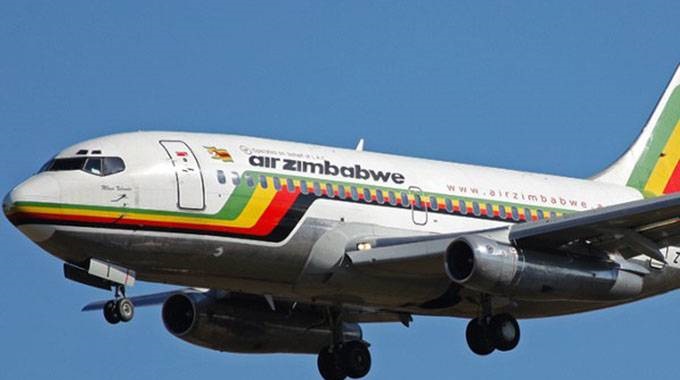
HARARE – The revival of Air Zimbabwe is underway with the arrival of an Embraer plane on Tuesday with two more Boeing 777-200ER expected to be delivered by the end of June, an official said Thursday.
Air Zimbabwe administrator Reggie Saruchera of Grant Thornton chartered accountants, who the government gave the tricky mission to revive the nearly defunct national airline, said while a turnaround plan had been developed and was awaiting approval, unburdening the firm through the assumption of its $380 million debt was key to unlocking its potential.
“Air Zimbabwe is saddled with a $380 million debt of which $30 million is owed to foreign creditors. $292 million is owed to government-related institutions,” Saruchera said.
“The debt assumption is a pre-requisite to the turnaround of the airline and the coming on board of a strategic partner.”
Air Zimbabwe was placed under reconstruction in terms of the Reconstruction of State-Indebted Insolvent Companies Act in October last year.
A month later, Saruchera met with the airline creditors and is currently in the process of verifying their claims.
He said the key to Air Zimbabwe’s turnaround plan was the acquisition of aircraft and disposal of redundant equipment and absolute spares.
“The proceeds from the disposal of redundant aircraft equipment and spares will allow the airline to raise some capital for the acquisition of additional aircraft and working capital,” he said.
The airline on Tuesday took delivery from the United States, an Embraer plane, which can take up to 60 passengers and is awaiting the delivery of an additional two bigger planes from Malaysia in eight weeks time.
At its prime, the airline had six aircraft and flew to various regional and international destinations.
Most of the destinations were however scrapped as the airline went through upheavals caused primarily by mismanagement coupled with running old aircraft.
Saruchera said Air Zimbabwe had been using inappropriate aircraft which made the business unviable.
“The acquisition of short-haul Embraer aircraft and two other medium-range aircraft will enable Air Zimbabwe to develop a robust domestic and regional route network,” he said.
He said the Embraer would be deployed to service local and regional routes once its registration process was completed.
While the registration process was going on, Saruchera said the identification of a strategic partner for the airline was underway, but would only be finalised after an agreement was reached with the Ministry of Finance and Economic Development on assumption of the airline debt. – Business Weekly
Must Visit Eco-Friendly Resorts to Visit in Africa

Have you noticed? Africa is embracing eco-tourism, whereby tourism activities are aimed at not, but only bringing in revenue but also conservation of natural resources as well as a means to benefit the local communities in various capacities. And some spots in Africa have, which been created in an eco-friendly backdrop which is all about uniting conservation, communities and sustainable travel.
Everyone agrees it’s important to preserve Africa’s natural and cultural wonders for the future. But are you a green traveller? A responsible eco-tourist? A sustainable supporter? By being a conscientious traveller and staying in accommodations that put high value on preservation and minimising the negative impact on your surroundings, your stay can have a positive impact.
To help you in this quest, we’ve listed a few places you can stay on safari that are eco-conscious.
Campi ya Kanzi, Kenya
Campi ya Kanzi was the first camp in Kenya to be gold rated by Ecotourism Kenya for its efforts in sustainable tourism. One of the most environmentally friendly camps in East Africa, this lovely camp, whose name means “Camp of the Hidden Treasure” in Kiswahili, is in the Kuku Group Ranch, the natural corridor between Amboseli and Tsavo National Parks.
It was the first camp in Kenya to be gold rated by Ecotourism Kenya for its efforts in sustainable tourism, and has won other prestigious international ecotourism awards. It’s also co-owned by the Maasai from the ranch area Luca Belpietro and his wife, Antonella Bonomi.
The ranch itself stretches 1,115 square km (400 square miles) from the foothills of Mt. Kilimanjaro to the Chyulu Hills in the east, and because of the different altitudes, you’ll find all sorts of habitats, from wide plains and riverine bush to high mountain forests. You’ll also find plenty of game—more than 60 mammals and 400 bird species—but few tourists. To see all this, choose between game drives (where the game is really wild and not used to vehicles), guided game walks, botanical walk, bird-watching, and cultural visits.
Take your kids to the Maasai school and open their eyes to a completely different way of life. The main lounge and dining areas are in Tembo (Elephant) House, which has superb views of Mt. Kilimanjaro, the Taita Hills and Chyulu Hills. All the tents have great views, as well as wooden floors, a veranda, and an en suite bathroom with bidet, flush toilet and hot and cold running water. The Hemingway and Simba tented suites boast king-size beds, a dressing room, en suite bathroom with his-and-her washbasins, and verandas overlooking Mt. Kilimanjaro.
*Note that there is an additional US$100 per-person, per-day conservation fee, which entirely benefits the local Maasai community.
Sindabezi Island, Zambia
Sindabezi Island is the Zambezi’s most environmentally friendly property. The island makes use of recycled wood chips and solar power for heating, all the gray water is recycled, and the chalets are constructed mainly from sustainable forests. There’s a strict 10-guest limit and each of the island’s chalets is raised on a wooden deck built artistically around the existing trees.
There is absolutely no electricity on the island, and hot water is provided on demand. If your party books Sindabezi exclusively, the guide, boat and land vehicle are at your disposal.
Dinner is served by lantern and candlelight on a sandbank or wooden deck under the stars.
Porini Rhino Camp, Kenya
Porini Rhino Camp is the largest black rhino sanctuary in East Africa. The camp has no permanent structures and is strategically constructed around trees and shrubs to minimise the human footprint on the natural landscape. The camp uses solar power for electricity, and water is heated with eco-friendly, sustainable charcoal briquettes; there is no generator. The conservancy is owned by the local Masai, and the camp is run with the aim of creating income for the tribe.
This delightful eco-friendly tented camp is nestled among Kenya’s ubiquitous Acacia tortilis trees in a secluded valley in the Ol Pejeta Conservancy. This 90,000-acre stretch of game-rich wilderness lies between the snow-capped Mt. Kenya and the foothills of the Aberdares.
This location treats guests to a double whammy—abundant game including the Big Five, wild dog and the endangered black rhino and superb views across the open plains. Each beautifully placed tent has stunning views from its personal veranda, and inside there’s an en-suite bathroom with flush toilet and bucket shower with hot water heated by solar power. Sip sundowners from a carefully chosen vantage point, and then take a spectacular night drive. By day, stretch your legs on a guided bush walk with a Maasai guide or have your heartstrings tugged at the nearby Sweetwaters Chimpanzee Sanctuary.
If you’re feeling extra energetic and really want to walk on the wild side, then the camp also offers walking safaris. The all-inclusive price includes round-trip transfers by air from Nairobi, Ol Pejeta conservancy fees, all game drives, sundowners, walks with Maasai warriors, full board and free house wines, beer, and soft drinks. Porini Rhino Camp is located in the largest black rhino sanctuary in East Africa. The camp has no permanent structures and is strategically constructed around trees and shrubs to minimise the human footprint on the natural landscape.
The camp uses solar power for electricity, and water is heated with eco-friendly, sustainable charcoal briquettes; there is no generator. The camp has a silver eco-rating for its low eco-footprint.
Ngwesi Camp, Kenya
Ngwesi Camp is a shining example of how a safari lodge can reduce poverty and strengthen partnerships between the tourist trade and local communities in Africa. Built only with local materials, the camp is completely solar powered, and its water comes from a nearby spring and is gravity fed to the lodge. The local Masai community helped build and continues to run the camp through a communal group.
Situated on a rocky outcrop in the north of the Lewa Wildlife Conservancy, this intimate and environmental award-winning lodge prides itself on its successful efforts to integrate community development and sustainable environmental management. The comfortably furnished open-walled bandas with open-air showers are made of local materials and built on a slope—their fronts rest on wooden stilts—thus giving uninterrupted views of the surrounding wilderness.
Make sure you take the opportunity to sit out at the main lodge and watch the water hole below or cool off in the horizon pool, which gently flows down into the bush below; water is gravity-piped from a nearby natural spring. You’ll see plenty of game including lion, leopard, cheetah, hyena, the elusive wild dog and large herds of elephants and buffalo, plus the plains game.
Learn about hunting, gathering honey, animal trapping with indigenous poisons, or fashioning beadwork with the local Maasai at the nearby Masai Cultural Manyatta.
Damaraland Camp, Namibia
Set on Namibia’s Skeleton Coast between Khorixas and Torra Bay, this beautiful 10-tent camp manages to integrate conservation and community development with the tourist mission of the camp.
With the assistance of the Integrated Rural Development & Nature Conservation (IRDNC), the World Wildlife Fund (WWF), and other sustainable development organisations, Wilderness Damaraland Camp has included local indigenous tribes in the protection and management of wildlife and the land surrounding the camp, giving them an income, training and the feeling of ownership in the community.
Elephant, black rhinoceros, oryx, kudu, springbok are just a few species that might be spotted at Damaraland Camp.
There are also opportunities to visit the nearby Twyfelfontein engravings, one of the most unique rock art sites in Southern Africa, which provide evidence of human habitation of life at Twyfelfontein more than 6,000 years ago.
Grootbos Private Nature Reserve, South Africa
Only two hours from Cape Town, Grootbos Private Nature Reserve is home to the largest private fynbos garden in the world. Set on 2,500 acres of Western Cape landscape overlooking Walker Bay, Grootbos offers up-close observation of Protea, fynbos, milkwood forests and tropical rain forests as well as aquatic life including penguins, dolphins, seals and Southern Right Whales in early spring.
Luxury accommodations include private cottages with fireplaces and sundecks, and exquisite cuisine is enhanced by vegetables and herbs grown on the premises.
The reserve’s foundation works to educate and employ the community with a variety of conservation, research and sustainable living projects.
Ten Things You Didn’t Know About Cotonou
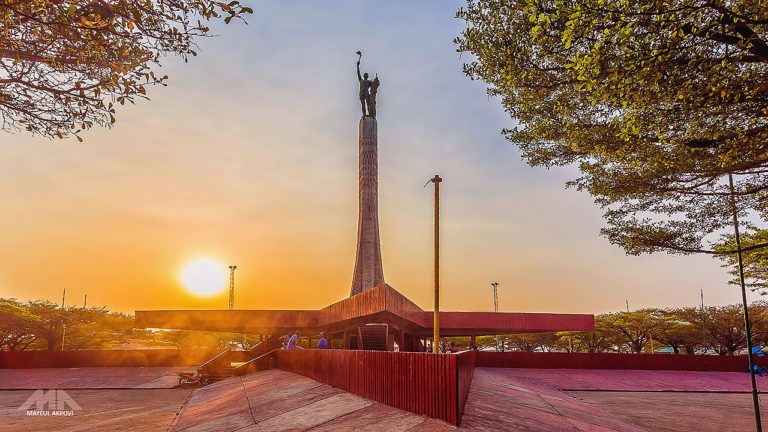
In the south-east of Benin, between the Atlantic Ocean and Lake Nokoué, lies Cotonou. Once a small village, the city has grown to become one of the country’s largest cities as well as its de facto capital as it houses many government and diplomatic services. The name Cotonou means ‘the mouth of the river of death’ and refers to the role of the Dahomeyan kingdom in the slave trade. Luckily for travellers, this is no longer applies and the river now leads to a city teaming with life.
Getting there and away
Cotonou International Airport is situated on the western fringe of the city. There are several airlines offering flights to Cotonou. Previously, travellers have a choice between one or two stops, but South African Airways now flies direct. Airlines that offer one-stop are Virgin Nigeria Airways, Air France, flying via Lagos, Abidjan and Paris. Kenya Airways and TAAG offer two stops. On arrival, travellers will need to provide proof that they have had a Yellow Fever vaccination if they wish to enter the country. Checking in when flying out can be a time consuming process, so make sure to arrive early.
Getting around
There are various types of transportation available in the city, amongst which are bush taxis, minibuses, buses and zémidjians. The bus stations can be quite confusing, so if in any doubt as to which stop to go to, ask a taxi or zémidjians (zemi-john) to take you to the correct one. The zémidjians, meaning ‘get me there fast’, are the most notable form of transport. It is a motorcycle which carries one to two passengers for short distances in a town. The fares are negotiable as it depends on the distance of the destination but the minimum rate is 100 FCFA (less than US $1).
Where to stay
The Maison Rouge (+229 21 300901) is a prime choice while staying in Cotonou as it is not only close to the town centre (a ten-minute drive), but also the airport. It is also located close to points of interest such as the Artisanal Centre, Lake Nokoue and the Cotonou Cathedral. It also offers complimentary wireless in the public areas, an airport shuttle, tour/ ticket assistance and baby-sitting services making it ideal for not only businessmen, but families as well. The Novotel Orisha (+229 21 305662) is also located close to the town centre and has its own business center.
Eating out
If unable to make a choice regarding cuisine, don’t worry as this city has an innumerable selection of choices ranging between French, Italian, Chinese and fast food. Pili Pili (+299 21 312932) has the best fish dishes in town as well as authentic Beninese cuisine. Chez Maman Benin (+299 21 323338) also has a variety of local dishes and good sized portions. Afraid to try the local dishes? New Livingstone (+299 21 302758) serves Western cuisine, with oven baked pizza being its expertise.
History
At the beginning of the 19th century, Cotonou was a small fishing village with an intimidating name, a reflection of its past. It was subjugated by the Dahomey Kingdom until the French established a trading post there in 1851 by means of a treaty. The French were there to stay and in 1868, the land was ceded to France. In 1883, the French navy lived in the city to prevent the British from establishing a foot hold. Six years later King Behanzin tried to break the treaty, but failed after which the village quickly developed into what is now the country’s largest harbour.
In the city
There is a lot to do in the city and if feeling a bit clueless, make sure to ask the staff at your chosen hotel for advice and tour options. A must-see is the Cotonou Cathedral near the Ancien Pont Bridge, with its unique wine-red and white striped tiled architecture, reminding one of a structure made from candy. If you want to immerse yourself in the culture by learning the Fon language, contact Vinawamon (+299 21 300856) or the Centre Culturel Français (+229 21 300856).
Night life
Cotonou is alive with various forms of entertainment, ranging from clubs to cinemas. If you are in the mood for music that speaks to the soul, Le Repaire de Bacchus is a groovy jazz bar whose cocktail menu is longer than its food menu. Le Livingstone provides notes of a different tune, and is a favourite with expats. If you want to try a new cinematic perspective, visit the Ciné Concorde which shows African and Western films in French.
Shopping
If you like to shop then the Grand Marché du Dantokpa is the first place you should stop. It is enclosed between the lagoon and Blvd St Michel and is an almost endless labyrinth of products. While some of these may be questionable, you can find some of the more traditional products (such as Fon jewellery and batiks) in the market building. One of the quirky aspects of the market is the local matriarchs who are named after their favourite brand of car, such as ‘Mama Benz’.
Climate
Cotonou’s climate is both tropical and dry. Its year is split between two rainy seasons and two dry seasons. The rainy season is between April and July, and September to October, while in December to January there is a severe dusty, West African trade wind known as a harmattan. The temperatures average at a high of 30° and an average low of 25° C. With that being said, the best time to visit is Cotonou is between November and February when the humidity is low and the weather is dry
Health and Safety
While Cotonou offers many pleasures, as a tourist in an unfamiliar place, one should be mindful of a few things. The beach is a lawless zone which should be avoided at all cost. The Jonquet and Ganhi business districts, as well as the port area, should also be avoided in the late afternoon. It is safer at night to take either a taxi or zémidjians, but the latter should be avoided during rush hour. A reliable pharmacy is the Pharmacie Camp Ghezo (21 31 55 52; Rue 240) and the Polyclinique les Cocotiers (21 30 14 20; Rue 373) is a private clinic which is at the Carrefour de Cadjéhoun.
New luxury train hotel on Kruger Selati Bridge
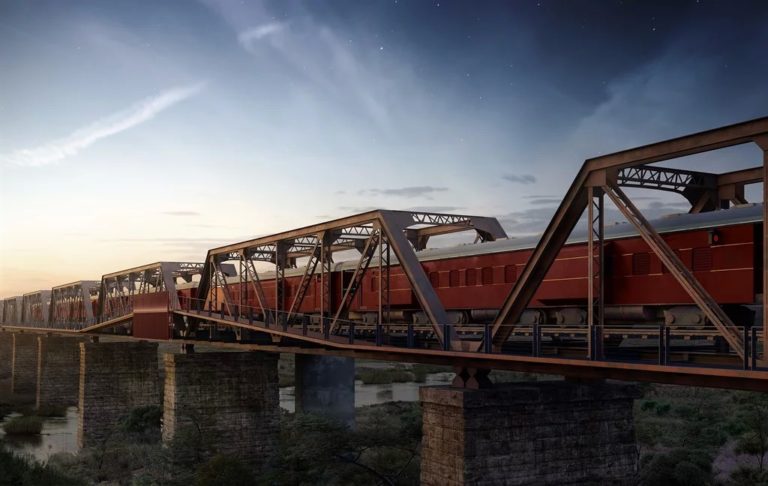
If Kruger National Park was not fascinating enough, there’s a train hotel being built at the iconic South African attraction.
Thebe Tourism Group revealed the plans at Africa’s Travel Indaba this week. The Kruger Shalati Train on a bridge is being hailed as a unique luxury accommodation experience that will open in December 2019. The new initiative pays tribute to the history of Kruger when visitors to park once arrived by train.
The project incorporates the iconic and still original old Selati railway bridge at Skukuza Camp, where the KNP’s first warden, James Steven-Hamilton, welcomed visitors nearly 100 years ago. At night, these same guests would retreat into the train to sleep, before it moved on to its next destination the following day.
Looking to recreate the magic of these early visitor encounters, the project will see the restoration and upgrading of a train that will permanently rest on the original tracks running across the bridge, high above the waters of the Sabie River.
The train, in its stationary position with an external walkway attached to the bridge structure, allows the Kruger Shalati rooms to be much larger than the expected traditional train compartment-style room – complete with floor-to-ceiling windows welcoming the unsurpassed views from atop the Sabie River into the room.
An old block-house next to the bridge will be used as the base for an innovative pool deck designed with overhanging pool meters above the river where travellers can, hopefully, catch a glimpse of the Big 5.Immersing guests in the comfort of an Afro-chic boutique hotel experience, the train itself will offer 24 en-suite rooms able to sleep 48 guests, with another 7 rooms in adjacent Kruger Shalati Bridge House accommodating 14 beds on land next to the bridge. All rooms will offer guests a high-star rating luxury experience and will be accompanied by fine dining and other leisure experiences on site.
Judiet Barnes, Concession General Manager of Kruger Shalati said the project was an opportunity to revitalise and recapture an important part of Kruger’s history.
“Not only have we not seen anything alike in our country, but neither is there anything similar in the world. This is a ‘must experience’ destination will entice visitors locally and from across the globe to experience a very important part of our Park’s history,” said Barnes.
She said the surrounding communities will be empowered through world-class training, skills development initiatives and job opportunities with the project. The Kruger Shalati team is working very closely with SANPARKS to ensure minimal disruption to the park.
Air Mauritius launches on-board WiFi
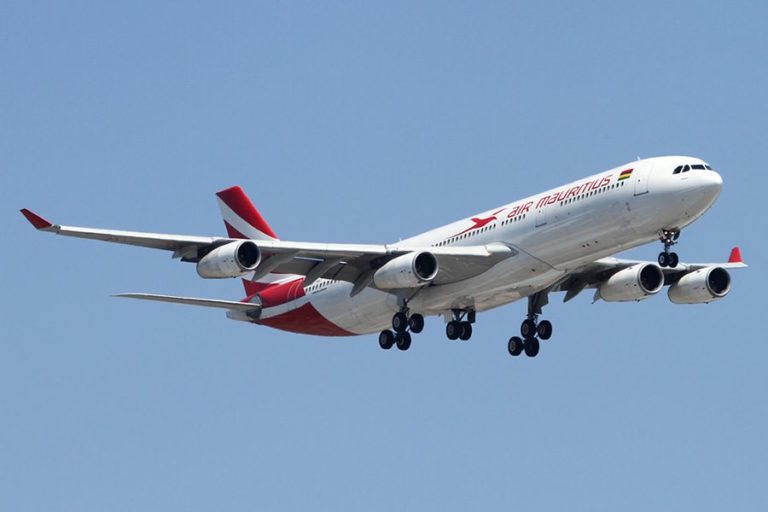
Premium Class passengers on board selected Air Mauritius flights can now access Wifi for free as an added benefit for flying in business class while Premium Economy and Economy Class passengers can purchase WiFi bundles to stay connected while flying to their respective destinations.
Kestrel Flyers Gold Members – Air Mauritius’ frequent flyer programme – will also be able to enjoy free WiFi access regardless of what class they are flying.
The service is available on selected aircraft once the plane moves above 10.000 feet and connectivity – apart for a few areas around the globe which do not yet permit the service like India, Egypt and Angola – will then be available until the aircraft descends again below 10.000 feet.
The cost of the service was given as:
*Subject to change without prior notice.
Source: Aviation, Travel and Conservation News
Price Plans
| Plan | Price* | Fair Usage Policy* |
| Start (1-hour) | USD 9.95 | 75 MB |
| Classic (3-hour) | USD 14.95 | 150 MB |
| Premium (Full Flight) | USD 19.95 | 300 MB |