

Thursday, June 11, 2026
Home Blog Page 47

Africa’s tourism growth requires digital transformation

0

In a 2018 Tech Pro Research survey, 70% of survey respondents said their companies either had a digital transformation strategy in place or were working on one – and rightly so, as digital innovations are creating opportunities faster and on a daily basis.

The travel and tourism industry is experiencing a great deal of disruption, with trends such as virtual reality (VR), artificial intelligence (AI), and mobile bookings and payments taking centre stage.

In a statement released by the United Nations World Tourism Organisation (UNWTO) during the 63rd European Commission meeting held in Prague in June 2018, the importance of tourism and technology was stressed, providing opportunities for innovation and creating the jobs of the future. Secretary-general, Zurab Pololikashvili, affirmed the organisation’s aim to make innovation part of the solution to the challenge of marrying continued growth with a more sustainable and responsible tourism sector.

In a world of digital interaction, old systems and processes must be rethought and new technologies put in place for businesses to stay competitive within their industry.

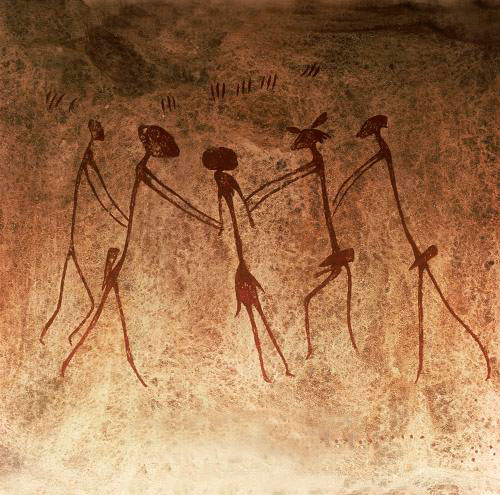
Tourism is a dynamic sector with phenomenal potential in Africa. As one of the fastest-growing sectors of the last decade, tourism already contributes about 8% to Africa’s GDP, employs 6.5% of the workforce, and offers a window of opportunity. The cultural attractions in Africa – cultural heritage, beliefs, storytelling, ancient knowledge, music, and dance – are intangible and continue to enhance the continent’s travel and tourism competitiveness.

From flights to hotel bookings, travellers are highly dependent on mobile applications and the digital space for their travel purchases, which need to be easily accessible online, thus making them convenient and user-friendly.

There are new ways to involve your customers such as more modernisation of the labour force, and more opportunities to harness data insights – all of which should be looked at and attended to at every level of the business hierarchy. The question all industries must ask is, how can we rise to the digital challenge and add value to our customers through digitisation?

Fundamentally, it is about adopting a digital mindset. By adopting a digital-first mentality in both business operations and customer experiences, the tourism industry can position itself to acclimatise and advance into the future, as technology and customer expectations continue to evolve.

More than ever, and in a bid to drive sales, revenue and operational efficiency, the trade sector in Africa needs to increase its efforts to provide a top-notch customer travel experience for all those coming to enjoy our continent. This can only be done by embracing the digital transformation.

Data and digitisation are impacting businesses

In an era of technology, we are all surrounded by data in our personal and professional lives, with data and digitisation impacting our businesses. Earlier in 2018, Cisco reported that by 2020 there would be 5.5bn mobile users, representing 70% of the global population. Every leader in an organisation should ask themselves how this digital influence can be utilised to the betterment of the business.

Start from the inside

From the very core, a company’s culture must drive growth through digital transformation. If there is a lack of budget in one department or a lack of expertise in another, it will cause hurdles for the sought-after growth. Other challenges can include buy-in from management, training your employees on new technologies, defining guidelines for governance, and ensuring that the right IT skill sets are involved to back digital technologies. However, if the company itself has a digital mindset and is committed to creating this culture of transformation, the growth will follow, regardless of the challenges.

Will you let this digital age disrupt or fast-track your business? Whether its virtual reality convincing someone to take their first overseas trip or another advancement, there is no end to the value the digital sphere can add to the tourism industry. – Tourism Update
Autograph Collection Hotels welcomes Sankara Nairobi into Kenya

0

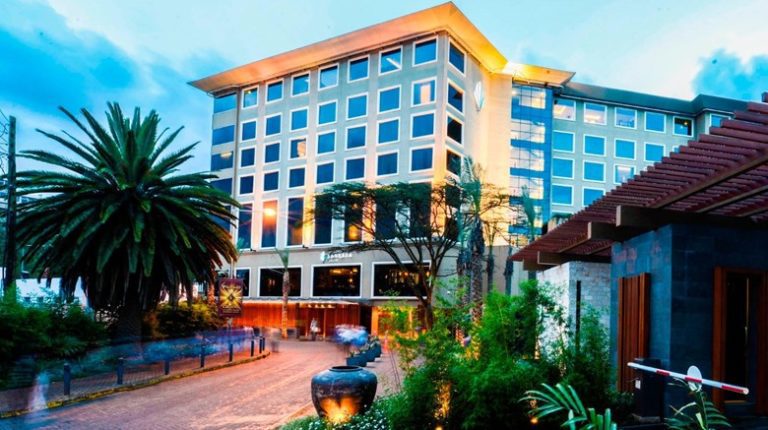
Autograph Collection Hotels, Marriott International’s distinctive collection of passionately independent hotels, has welcomed Sankara Nairobi to its diverse and distinguished portfolio of over 171 hotels around the world, marking the debut for the brand in Kenya.

Set in the heart of Westlands, Sankara Nairobi lies in the epicentre of the city’s commercial, retail, and entertainment quarter and boasts quintessential Kenyan charm and hospitality, contemporary interiors and carefully curated modern African art throughout the hotel.

“We are thrilled to welcome Sankara Nairobi, a distinctive hotel which evokes the spirit and heritage of this vibrant city, to our portfolio,” said Alex Kyriakidis President and Managing Director, Middle East and Africa, Marriott International. “As the first Autograph Collection Hotel in Kenya, Sankara Nairobi is a significant addition to our rapidly growing portfolio in the region and a testament to our conversion-friendly strategy.

“The hotel perfectly embodies the brand’s unique perspective on design, craft, hospitality and its Exactly Like Nothing Else philosophy. This rebranding is in lockstep with the growing demand from consumers and their desire for differentiated experiences wherever they travel.”

Just a short drive away from the city centre and the United Nations Headquarters, and within easy access from the Jomo Kenyatta International Airport and the Wilson Airport, the hotel is situated at the heart of the city’s vibrant social and business life.

It comprises 168 thoughtfully designed rooms, a tempting choice of authentic and award-winning restaurants, destination bars, social and meeting spaces, and fitness facilities. The newly refurbished guest rooms including a brand-new Presidential Suite captures the hotel’s personality with signature elements showcasing a unique character and a defining sense of place.

The culinary experience at Sankara Nairobi is a delightful indulgence offering both variety and authenticity. From the finest global cuisine with a live show kitchen and a focus on fresh, seasonal and organic produce at Artisan, to the award-winning New-York style steakhouse Graze; from a Parisienne inspired Opera Patisserie, to a Gourmet food and wine bar designed to delight the inner gourmand, The Gallery; to a spectacular rooftop pool and bar Sarabi and The Champagne Bar, Sankara Nairobi sets the tone for a stylish urban experience in a pulsating city. Source: IOL

Better air links will boost tourism sector

0

Africa’s aviation industry is key to lifting the continent’s economic and social fortunes.

Increased air connectivity is crucial to unlocking the continent’s vast untapped wealth.

Opening up Africa’s skies to increased competition among domestic and international carriers will transform aviation into Africa’s economic engine.

Growth of the aviation sector is inextricably tied to the vision of an integrated and prosperous continent as espoused by the African Union.

The air transport sector currently supports 6.9 million jobs and $80 billion (about Ksh8tn) GDP across Africa. The International Air Transport Association (IATA) says there is significant hope to grow these numbers.

Africa’s promising story further underlines the need for enhanced air connectivity linking African countries to the rest of the world.

AIRLINES

With the positive business climate and push toward economic integration of the continent, demand for air transport is anticipated to rise.

Aviation will therefore play an increasingly important role in Africa’s economic growth into the future. Indeed, aviation can be the prime catalyst of Africa’s economic growth.

The continent is already becoming quite attractive to leading global airlines. New routes are being opened linking Africa to key destinations across the world.

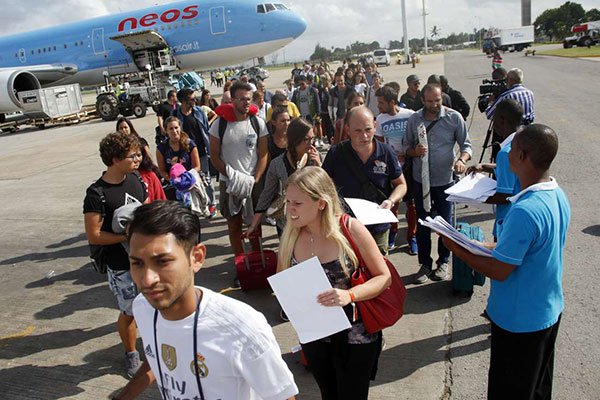
For instance, Kenya Airways last year launched direct flights between Nairobi and New York. Air France resumed flights to Kenya a year ago following a long break.

Starting April, Air France increased weekly flights on the Nairobi-Paris route from three to five in partnership with Kenya Airways.

LINKAGES

The move was timely as it coincided with the official visit by French President Emmanuel Macron to Kenya.

With such positive support and endorsement from the global aviation industry, and the international community, this is the opportune time to further grow air links between Africa and the rest of the world.

The African aviation market will continue to grow as the continent becomes more integrated into the global economy. The focus should be on building the many gains made so as to achieve sustained growth into the future.

Aviation has many economic and social benefits. First, robust air connectivity improves linkages between African economies and global markets and supply chains.

Modern air transport substantially enhances the efficiency of business operations, thus helping entrepreneurs and businesses to grow their global footprint.

TOURISM

Second, aviation facilitates leisure and business travel. Tourism is one of the most important sources of revenue for Kenya.

Ramping up air connectivity to prime tourist source markets in Europe, Asia and the Americas will greatly boost tourism.

Additionally, many top international companies and brands are pitching tent in Africa. Therefore, efficient and reliable air connectivity to more destinations and cities on the continent is needed.

Third, aviation has a multiplier effect on economic growth. Besides creating direct jobs in airports and airlines, aviation supports many industries that rely on its supply chain.

This translates into more business for businesses involved in agribusiness, logistics, transport and energy.

Fourth, aviation strengthens bilateral and cultural ties between nations. We are living in a ‘global village’, thanks to globalisation.

TRADE

Increased air connectivity fosters cross-cultural and social ties among diverse nationalities, thus promoting international peace and cooperation.

France is a key source market for Kenya’s tourism sector. More flights between Nairobi and Paris will expand business and trade opportunities for Kenyan and French companies.

The additional flights on the Nairobi-Paris route will provide an impetus for Kenya’s tourism sector to grow the number of visitors from the European source market.

Following the state visit by President Emmanuel Macron, leading French companies pledged to invest $10 billion in projects covering roads, energy, technology, manufacturing and health. This is a huge leap in Kenya-France economic cooperation.

It is also testimony to Kenya’s growing stature as an eminent business and investment hub in Africa.


The Wine & Food Tourism 4th conference

0

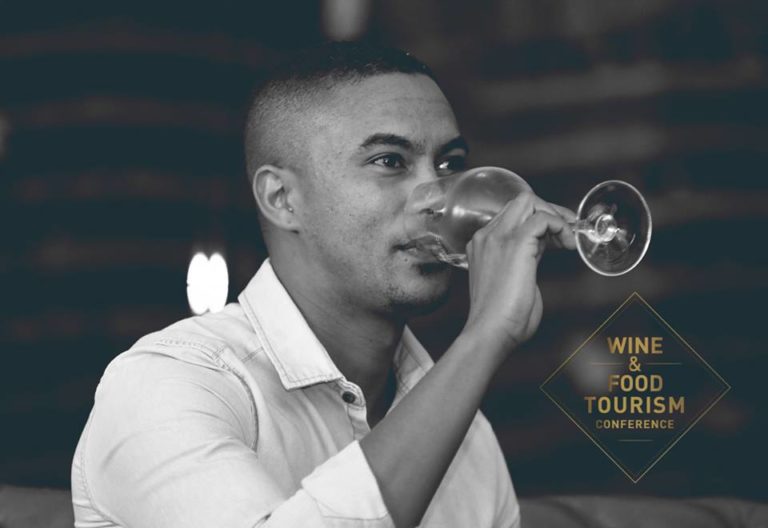
The Wine & Food Tourism Conference, now in its fourth year, is South Africa’s first-ever Cape Winelands conference that features local and international speakers and focuses on the sharing of insights and trends, to ultimately build knowledge and skills, and grow the wine and food tourism industry in the country. The 2019 edition of the conference, featuring headline speaker Dion Chang, will take place on 18 September at Spier Wine Farm near Stellenbosch. This year’s theme is “The Future of Wine & Food Tourism”.

The annual conference is convened by wine and gourmet tourism specialist, Margi Biggs, who brings to the project her exceptional combination of energy, flair and innovation in seeking to make South African wine and food experiences more relevant, more appealing, targeted and more competitive.

She says: “We have so much in our favour in South Africa. We have physical beauty, we have critically acclaimed wines that have captured the attention of leading tastemakers. Our restaurants and gastronomy are renowned. Once again, we featured on the list of the World’s 50 Best Restaurants in 2018. Our ingredients are fresh, traceable and delicious. Our food markets routinely star on social media. We are globally known for our friendly hospitality. These are all massive drawcards.”

“Fortunately, tourism in the Western Cape is the region’s fastest-growing sector, employing over 200 000 people and generating R17 billion for the economy each year. We believe the potential is there to grow the number of jobs to 300 000.”

With this in mind, Biggs has recently launched the Wine & Food Tourism Awards that aims to recognise those individuals and teams who have made exceptional contributions to the development and promotion of the South African wine and food tourism industry.

Jean-Pierre Rossouw is serving as the awards programme chairperson, overseeing the judging panel. The judging categories are Innovation, Service Excellence and The Authentic South African Experience. Each category is judged by three industry experts. There will be a maximum of three honourees in each category.

The honourees will be announced at the Wine & Food Tourism Conference.

Nominations can be submitted via the website. Please visit www.wineandfood.co.za for more information.

Air Zimbabwe acquires a new plane

0

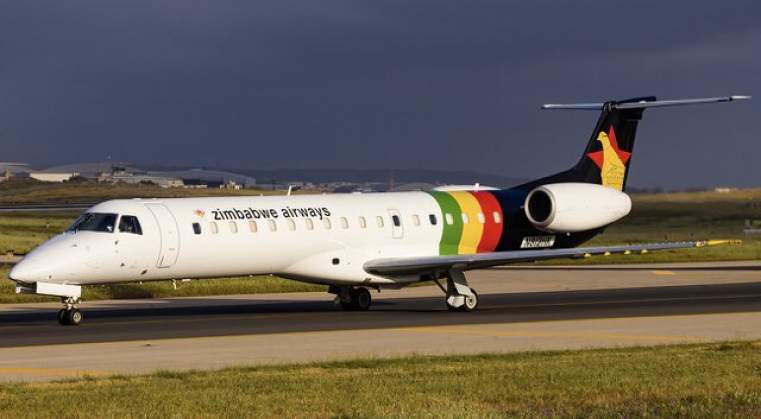
Air Zimbabwe has purchased a new plane, an Embraer ERJ-145, bringing the number of planes owned by the company to two.

The Post Cabinet briefing on Tuesday reported that Zimbabwe has taken note of the delivery of an Embraer plane, which landed at the Robert Gabriel Mugabe International Airport on Tuesday.

The acquisition of the plane is part of efforts to revive the national airline, Air Zimbabwe Cabinet said.

The new plane is branded Zimbabwe Airways which is the name of a failed airline that was fronted by Simba Chikore. Aviation expert Jerry Haas said, “The Embraer E145 will be branded to Air Zim livery in the coming days and registered with CAAZ. 

Air Zimbabwe trained 8 pilots in South Africa for the E145 rating. It’s expected to be in service for mid to end of May.”

Falling for Victoria Falls is too easy

Bald heads in the distance wait to make their move. Closer, closer. The dark spots eye out the ground below. They know what’s coming.

They start arriving and settling in the trees around the vulture restaurant at midday, and then, an hour later, they swoop.

Everybody wants a piece of the action. A couple of marabou storks want in as well. Frenzy. Feathers fly. Vultures chow down. And then silence. The carnivore luncheon. The marabous stick around for any scraps that might have been missed, the vultures simply up and leave. They know to arrive back tomorrow, same place, same time.

At 1pm daily the raptors charge down from the trees giving visitors what has to be the show of the day.

It is part of the Vulture Conservation project run by the Victoria Falls Safari Lodge and is a sight to behold.

Visitors to the lodge get to enjoy the spectacle from a specially built hideout where they can get a close-up from the deck of the magnificent lodge with its sunset-facing views over the bushveld and a wildlife-rich waterhole.

Built of thatch and timber, the hotel rises seven levels, giving the impression of a vast open-plan treehouse right in the Zambezi National Park.

After a lovely night at the hotel in the beautifully appointed rooms, we headed down to the jetty for a cruise along the Zambezi. Welcomed on board the Zambezi Royal with a glass of bubbly, we were in for a treat.

For two hours we were treated with unparalleled views of the wildlife and nature from the middle of the river. Hippo eyed us suspiciously, their ears twitching as they watched us glide on by, while others treated us to a fantastic yawning display. A family of elephants walked trunk-to-tail, cruising the river to get to the other side, often stopping for a dally in the cool water.

That golden hour just after sunrise and just before sunset is a beauty to behold, and on an African cruise is something magnificent. It’s quiet, peaceful. One of those moments when you’re just glad to be there. In that moment.

As the light began to fade and the pink champagne sunset enveloped us, we all stood quiet, lost in thought as we watched the sun setting below the horizon. A perfect way to celebrate the setting African sun.

The only sounds then were the animal calls and the rumble of the Victoria Falls a few kilometres away. We left the boat happy, satisfied.

In direct contrast to the tranquillity of the Zambezi, before you are even close to it, you see it and hear it.

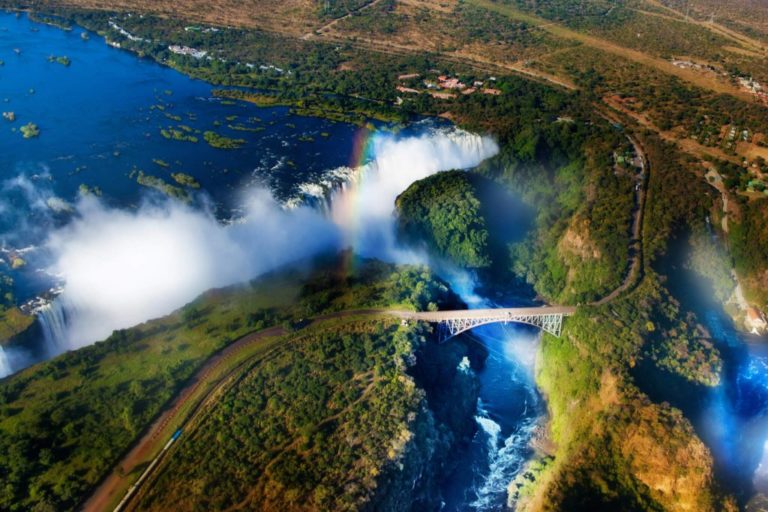
Standing at 108m tall and more than 1 700m wide, the size and power of the mighty Victoria Falls will take your breath away.

Straddling two countries (Zimbabwe and Zambia), Victoria Falls has long been a bucket list item for adventurers and travellers alike. Before you see the massive wall of water with your eyes, you won’t know what to expect. It’s just something else.

As we entered the park, a fine mist gently coated my skin and clothes. As we got closer to the falls, we were hit with the spray from the immense volume of water that drops over the craggy rocks of the Victoria Falls.

Africa has no shortage of incredible feats of nature, but few people are ever really prepared for the beauty and mesmerising strength and power of “the smoke that thunders”.

After a two-hour walk in the lush rainforest that has sprung up around the falls, we left the park, soaked but exhilarated to have been able to experience the natural wonder.

So much to see, so little time. Next, we were off to The Boma – Dinner and Drum extravaganza, on the Victoria Falls Lodge estate.

Dressed in chitenges (traditional robes), we sampled traditional beer, drummed the night away and got down and boogied, all between eating the most delicious food.

Every so often I have a travel experience that sticks in my head. It’s an experience and a set of memories that makes me beam spontaneously; it has to be my first sight of Victoria Falls that has lodged itself permanently into my memory.

The spectacular explosion of froth and spray, the thunder, the rainbows of colour makes the world wonder something to behold.

And I imagine like the thousands of adventurers, explorers and tourists before me, falling for Victoria Falls is too easy.

Cape Town in move to make Table Mountain affordable to locals

0

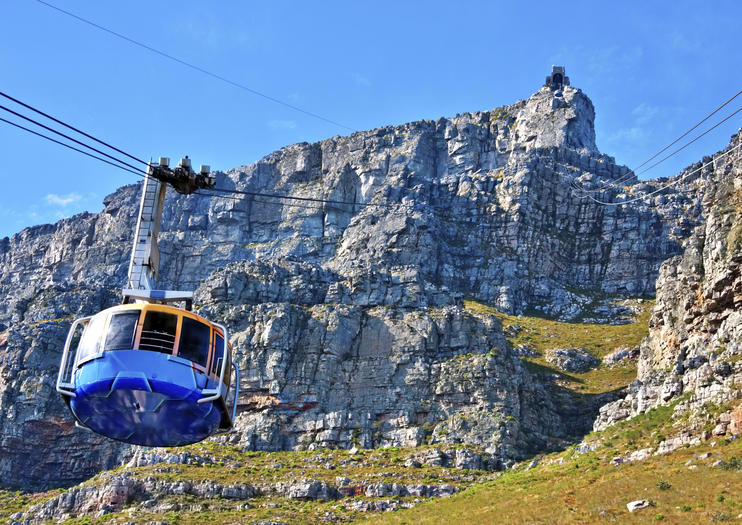
The City Of Cape Town and Table Mountain Cableway announced on Monday that they will be working in collaboration to ensure Table Mountain becomes more accessible to a greater number of South Africans, and to enrich the experience for visitors.

“South Africa’s major tourist attractions need to encourage domestic tourism through increased accessibility, affordability and local-orientated offerings,” says Cableway’s Managing Director Wahida Parker following a meeting with Alderman James Vos, the City of Cape Town’s Mayoral Committee Member for Economic Opportunities & Asset Management.

The meeting comes as the City finalises a Draft Tourism Development Framework (TDF) which aims to boost domestic tourism by ensuring visitor comfort, improving and diversifying products and experiences, stimulating demand, as well as generating community involvement, benefits and support.

“Our city is packed with amazing things to do and has something for everyone,” says Alderman Vos. “I am proud to be part of this inclusive city, which is listed as one of the most diverse cities in the world. Through the Tourism Development Framework, my focus for 2019 is to champion the further diversification of our tourism products to continue to drive local demand.”

Parker says the Cableway is committed to ensuring more South Africans get to experience the bucket-list beauty of Table Mountain at least once in their lives.

Cableway already offers year-round deals tailored to locals, including the 3-for-1 Kidz Season launching today (26 April 2019 until 30 September 2019), the half-price Sunset Special, Birthday Special, Pensioner Special, and the Student Special, as well as a year-round access Cable Card. The Class in the Clouds Programme, where pupils pay R45 to experience the cable car ride and to learn about the fauna and flora on top of the mountain, has hosted over 250 000 learners since its inception in 2001.

In partnership with the City, Cableway aims to explore more avenues to complement its promotional offers for locals. “We aim to embed a desire to celebrate Table Mountain in the hearts of everyone, by breaking barriers that people may have to getting to the top. We want to make a trip to the top of South Africa’s New 7 Wonders of Nature more accessible for the elderly, the youth, the unsung local heroes, and those marginalised by society” says Parker.


Ten Things You Should Know About Alexandria

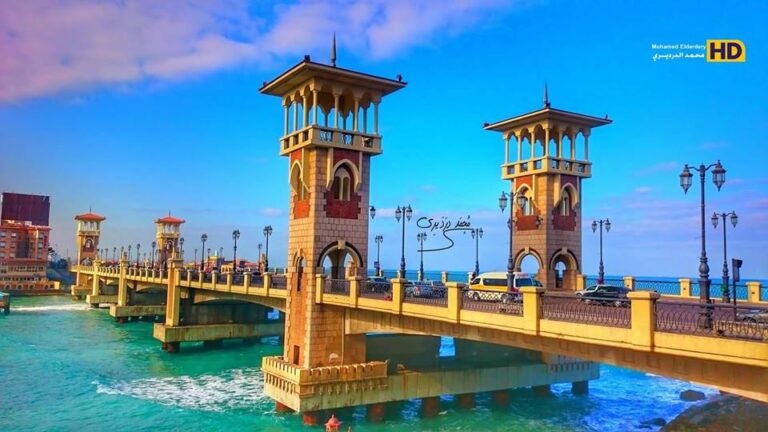
Founded by Alexander the Great in 331 BC, Egypt’s second largest city was the capital for 1000 years and was the setting for the epic love story of Anthony and Cleopatra. Alexandria has seen through many of its toughest economic times thanks to its virtues as a vital trading port, and today is Egypt’s largest seaport, serving about 80% of Egypt’s imports and exports.

It is an important industrial centre because of its natural gas and oil pipelines from Suez. Known as the Pearl of the Mediterranean, the city is synonymous with commerce, cosmopolitanism and a bohemian culture.

Getting there and away

Alexandria’s main airport is Borg el Arab Airport, and generally serves destinations in the Middle-East and North Africa. A better bet for African travellers would be to enter the country via Cairo International Airport, which serves 65 international airlines. At some 45km from Alexandria, the airport is not very conveniently located and getting to and from the airport can be a hassle.

It’s best to catch a taxi service (about US $26) or hire a car. The only other option is the two daily buses in each direction (9am, 2pm from Alexandria bus station and 10:30am and 4:30pm from the airport).

Getting around

Alexandria is a long city, stretching 32km along the Mediterranean coast, so public transport can be easily found anywhere along the Corniche (boardwalk). Alexandria’s yellow and black taxis are a cheap option to navigate the city. Agree on the fare before you get in, however, as the taxis aren’t metred. Alexandria’s tram system is the oldest still operating in Africa and is a novel way to get around but the route map is confusing and subject to frequent unpredictable changes. Buses and mini-buses can also be found along the city’s main routes.

Where to stay

The Four Seasons Hotel at San Stefano is a Mediterranean villa-style resort set right against the ocean. Needless to say, the views are stunning, but so is the price. Helnan Palestine Hotel is right up against the beach, surrounded by 350 acres of gardens. The hotel faces the Montaza Royal Palace, which was once the site where the late Egyptian royal family vacationed.

If you’re on a budget, try the Normandy Hotel; a pleasant family-owned inn very close to restaurants, shopping, and the largest market in Alexandria.

Eating out

While Western fast-food chains like McDonalds and KFC can all be found all over the city, the plethora of interesting restaurants means they can be easily avoided. Abou Shakra is an Egyptian chain that specialises in local grills such as shwarma, and meals of kebab, fries and salad. Elite, now an American style diner, was once frequented by the likes of D.H. Lawrence, Laurence Durrell, and Edith Piaf – a visit for the curious. For a splurge, Stefano’s (in the Four Seasons Hotel) is a stylish restaurant that serves a selection of authentic southern Italian cuisine, including excellent pasta.

Nightlife

Although the Alexandria night life is not what it once was, there are still plenty of options. Alegria is a great option for cocktails. However, it is very popular and rather exclusive – pre-reservation is a must to avoid disappointment. The San Giovanni Club offers live music, while the major hotels are reliable places to start an evening. The Four Seasons, for example, is home to two trendy bars; Le Bar and Bleu. Otherwise, the Corniche is a scenic 15km walkway along the harbour dotted with restaurants, markets and historic sights.

In the city

Thanks to its rich and ancient history, there is no shortage of historical sites in Alexandria. Fortress Qait Bey is located on the site of the fabled Lighthouse of Pharos (one of the original 7 Wonders of the World), which collapsed after an earthquake in the 14th century. The fortress was constructed in the 15th century using rubble from the lighthouse. The legendary Library at Alexandria was once the largest in the ancient world.

The treasures it housed have since been moved but the modern library is just as impressive. Also worth a visit, the AKom el Shoqafa Catacombs are three tiers of underground tombs and burial chambers; a fascinating blend of the city’s mixed Greek, Roman and Egyptian history.

Shopping

Like any modern African city, Alexandria offers a range of shopping experiences. From high-end boutiques and chain stores in shopping malls, to open air street markets, there is a wealth of choice for those looking to spend some money. Next to the Pompey’s Pillar monument is a large shopping centre for cloth and furniture called El-Saaa, where many types of cloth or clothes can be found.

A more traditional souq can be found on the western side of the Midan Tahrir, where haggling is welcomed. The Attareen neighbourhood is also notable for its antique market.

Out of the city

Alexandria is only 225km from Cairo, so if you do venture to the city, a Nile cruise is a great way to trace the history of the ancient Egyptian civilisation. Equally, no trip to Egypt is complete without a trip to the Pyramids of Giza – be aware though that this is quite the tourist trap. Closer to Alexandria, El Alamein, about 120km from the city, is the site of several battles and is currently home to a number of war memorials, cemeteries and museums. If sunbathing is more your thing, Marina is an upmarket beach-side resort about 100km from Alexandria.

Language and culture

The official language of the Republic is Modern Standard Arabic but the spoken languages are dialects of standard Arabic. Greek, Armenian and Italian are the main languages of immigrants. English is mostly spoken in and around hotels. Egypt is a predominantly Sunni Muslim country with Islam as its state religion. In terms of culture, Egypt is a trend-setter in the Arabic-speaking world, and contemporary culture is greatly influenced by Egyptian literature, music, film and television.

Health and safety

Although crime in Alexandria is rarely violent, pick pocketing is rife. Be sensible and don’t flash valuables around. Although Mediterranean in style, Egypt is an Arabic country so dress should be conservative and heads should be covered when entering places of worship. Although attacks on foreigners are unlikely, it is best to be aware of surroundings and the current political climate.

5 Tips for taking better photos

0

No matter how long you’ve been using a camera for, it’s the drive to capture and preserve life’s profound moments that keep us picking it up again and again. It’s always a challenge to fully enter a moment.

Photography Tip #1: Keep a list: Get that shot

When you see an image you like or one that inspires you, save it! When an idea for an image comes to you, write it down. When you find extra time to take photos or you’re feeling creatively spent, go back to your list for an inspired start.

Photography Tip #2: Compose carefully

When you find a scene, pause for a moment to compose. Remember the Rule of Thirds, look for leading lines, find the light, remove distractions. Beyond the Rule of Thirds, remember to consider giving your subject negative space to breathe. There are a lot of things that can be fixed in post-processing, but creating meaningful compositions is best done in-camera.

Photography Tip #3: Learn and refresh the basics, then experiment

Learn the Exposure Triangle (Balancing the ISO, shutter speed, and aperture to get the correct exposure). The goal is to get comfortable with your camera in Manual mode. Some creative possibilities only exist when you can override defaults and play with the exposure. Also, try manual focus for more creative possibilities for blur.

Photography Tip #4: Hunt for good lighting

Light is just as much your subject as anything else that compels you to take a photo. It offers a thousand different ways to shoot the same scene or setup. Remember, if you look for it, there is almost always enough light to take a photo. Manipulating light and shadow are what creates feeling and mood. To do this, you’ll almost certainly need to be in manual mode or spot-metering depending on your composition. Watch for the way light moves, look for light coming from surprising sources to illuminate your subject. Some of the best photographs have significant parts that were underexposed, which only highlights the subject more. Just watch to be sure you don’t blow out highlights or clip your blacks. That’s data you can’t recover in post-processing.

Photography Tip #5: Explore different viewpoints

Go beyond your first impression of a shot. Take photos of the same subject from multiple vantage points, multiple exposures, multiple apertures for varying depths of field. In a digital era, where you’re not paying to process each exposure, this is very easy to do. Sometimes the first shot you take may be the one you wanted all along, but often, really working a subject reveals better ways to capture it. Also, if you’re shooting with a narrow depth of field, don’t forget to open up and take more in focus in case you miss something, or too much is out of focus.

Tanzania identifies, digitises 274 new historical sites

0