
Thursday, June 11, 2026
Home Blog Page 39

ZTA to develop Joshua Nkomo Heritage Trails

0

THE Zimbabwe Tourism Authority (ZTA) is working on a strategy to transform the Joshua Nkomo Heritage Trails into a fully-fledged and viable tourism product.

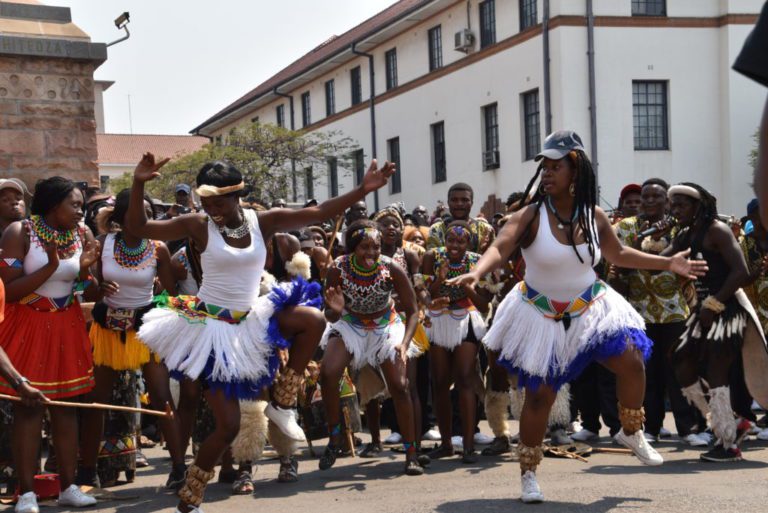
On Monday, the country marked the 20th anniversary of the death of Dr Joshua Nkomo. In Bulawayo, scores of people participated in the Joshua Nkomo legacy walk and the Umdala Wethu dance.

ZTA acting chief executive, Mrs Rita Likukuma, said a viable tourism model needs to be built around the legacy of the late Father Zimbabwe for travel and leisure purposes. 

“The trails, when properly packaged, can benefit communities as they often lead to the heart of communities as is the case with the Joshua Nkomo Heritage Trails,” she said.

“My team is on the ground with me and they have taken note of how to develop this product, we will reconvene with the trust (Joshua Nkomo) to map a solid way forward to bring this dream to life.

“We remain committed to working with other relevant partners in developing these trails until they are a fully-fledged tourism product.”

Mrs Likukuma said part of their role as ZTA was to identify and develop tourism products that have potential to enhance product offering hence in 2018 they partnered with the trust in launching “The Joshua Nkomo Tourism Heritage Trails”.

Heritage and tourism trails are routes that seek to take one on a historic journey around a particular event or a person. Trails have become a new phenomenon not only in Africa but globally. “As a nation, we value our founding fathers for the role they played in liberating our great nation, hence our story as a nation can never be complete without their mention,” said Mrs Likukuma.

Zimbabwe has been listed by The Lonely Planet as one of the top tourist destinations to visit in 2019. 

“More than ever we are challenged to do better so that we not only maintain our position as number one but ensure that when we start to receive the anticipated influx of domestic and international tourists we have a diverse tourism product offering. One of our tourism pillars as a tourism destination is our rich history and culture,” said Mrs Likukuma.

She said global statistics from the United Nations’ cultural and tourism have indicated that heritage tourism contributes more than 40 percent to world tourism arrivals.  

For the past five years, the Joshua Nkomo Legacy Restoration Project Trust has hosted the Joshua Nkomo legacy walk-in commemoration of the late Vice President due to his compassionate nature. – The Chronicle
Air Mauritius returns to Seychelles

0

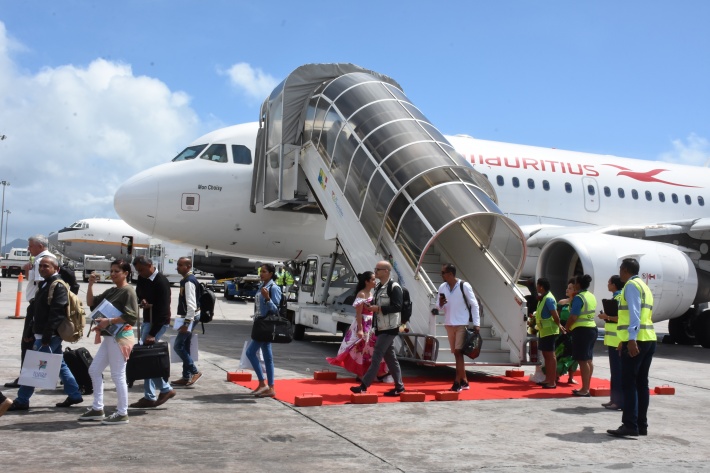
Air Mauritius returned to Seychelles on Tuesday after a 14-year absence, touching down at 11.10 a.m. local time to become the 15th airline to connect the island nation to the rest of the world.

Air Mauritius is flying to the 115-archipelago in the western Indian Ocean twice weekly — Tuesdays and Saturdays at 11.10 a.m. and 1.10 a.m.

The return of Air Mauritius brings extra competition to the country’s national airline, Air Seychelles, but the extra flights should also bring increased economic benefits.

“As a country that depends greatly on tourism, trade, and investment, a new airline coming into the country is always a plus for Seychelles. As an island, we are isolated and the only way to develop is to have connectivity and the best form of connectivity today is by plane,” said Didier Dogley, the Minister for Tourism Civil Aviation, Ports and Marine.

He added that “this helps tourism in general as now people will be able to come on twin holidays where they can spend several days in Mauritius and several days in Seychelles.”

“We want to have more connection with countries of the Indian Ocean, in a way to better develop regional tourism,” said the Minister.

The airline, based at Sir Seewoosagur Ramgoolam International Airport of Mauritius, flies to over 10 destinations around the world, including France, China Australia, United Kingdom and South Africa.

Air Seychelles and Air Mauritius have over the years partnered through a commercial arrangement on this route. Earlier this year the Mauritian national airline informed its intention to resume scheduled flights to Seychelles.

The senior manager of sales and strategic cooperation of Air Mauritius, Ben Balasoupramanien, said the company’s vision “is to develop the regional market, giving people a wider choice to fly to and from Seychelles.”

Additional flights between Seychelles and Mauritius will provide more seating capacity and cargo space, which is ideal for tourism and trade. Air Mauritius’ Airbus A319-100 has the capacity to accommodate 124 passengers and around two tonnes of cargo.

Until today Air Seychelles was the only airline connecting the two countries with scheduled services to and from Mauritius on Sunday, Tuesday, Thursday, Friday and Saturday.

Commenting on the competition now between the Seychellois and Mauritian airlines, Balasoupramanien said: “competition is always good and it is the passengers that benefit from it.”

“As of tomorrow, there is a promotion where the ticket will cost just under SCR6000 [$440], which will last until the end of August and the usual price will be at around SCR7000 [$514],” said Balasoupramanien.

Dogley said that Air Seychelles has already announced that it will be matching the ticket price of Air Mauritius. Air Seychelles has a bigger plane which will allow the airline to give more kilos to the passenger which is an advantage it has over Air Mauritius. – ATTA

Air Zimbabwe-Mack Air in flights deal

0

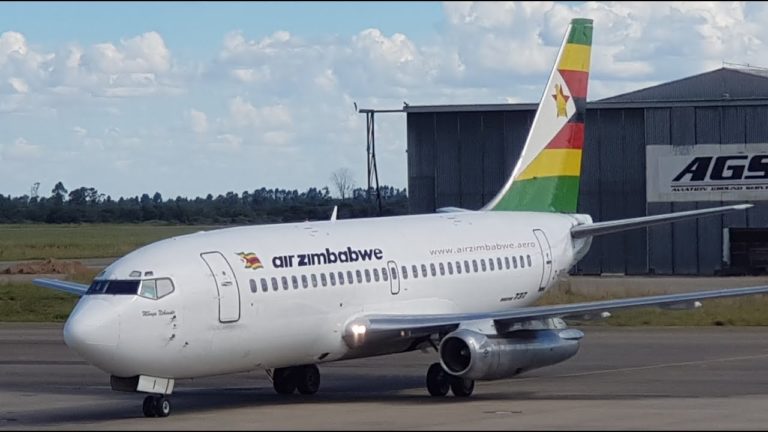
The national airline Air Zimbabwe and Botswana based charter airline Mack Air today signed an agreement for the launch the “Flame Lilly Hoppa” domestic and regional air service.

The agreement, which was signed in Harare, will see the introduction of daily domestic scheduled air services between Victoria Falls, Harare and other major tourist destinations such as Hwange, Kariba and Chiredzi.

It will also include services to camps and lodges within the environs of the major tourist resorts

On the regional front, the agreement provides for the launch of daily scheduled air services between Zimbabwe, Botswana, South Africa and Mozambique. – Herald

Rwanda starts issuing East Africa E-Passport

0

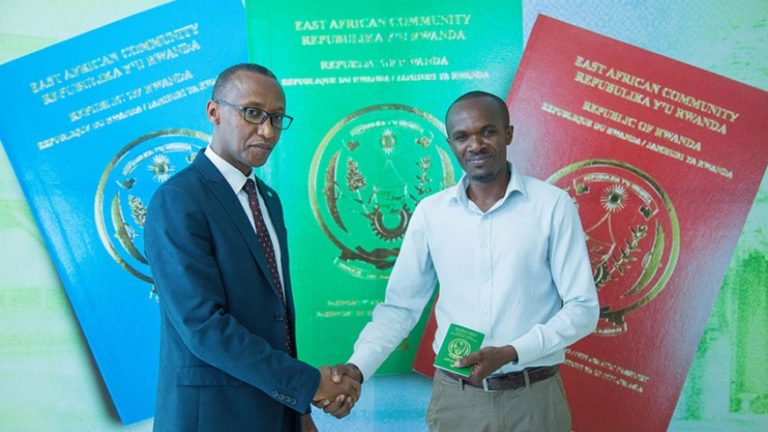
Rwanda has begun issuing the East Africa e-passport in line with the country’s commitment to promoting regional integration as envisioned by East African Community (EAC) partner states, an immigration official announced Friday.

“Rwandans can now start applying for the common East Africa e-passport. Starting from today, Directorate General of Immigration and Emigration will start issuing EAC e-passport,” said Francois Regis Gatarayiha, director general of Directorate General of Immigration and Emigration, at a press conference at the institution’s head office in Kigali, the capital city of Rwanda.

The e-passport is embedded with an electronic chip which will have biodata and biometric information of the holder, including the name, date of birth, and other biographic information, said Gatarayiha.

A common single EAC bloc e-passport will boost cross-border travels and trade and further deepen EAC integration, said Gatarayiha.

The new e-passport database is enhanced with Automated Fingerprint Verification system (AFIS) to minimise fraud, identity theft, forgery and passport skimming, he said.

The EAC e-passport complies with guidelines set by the International Civil Aviation Organisation, making it admissible globally, according to Gatarayiha.

Diplomatic passport’s colour is red, service passport is green, the ordinary passport is sky blue. The outer front cover will have the words: ‘East African Community’ in gold on top and the name of the issuing partner states will be pasted below.

Gatarayiha presented the diplomatic, service and ordinary e-passports to the first users shortly after the press conference.

EAC heads of state launched the East Africa e-passport and directed the commencement of its issuance during the 17th ordinary summit of the EAC heads of state in March 2016 in Arusha, Tanzania. – ATTA

Robben Island joins list of 20 new protected marine sites in SA

0

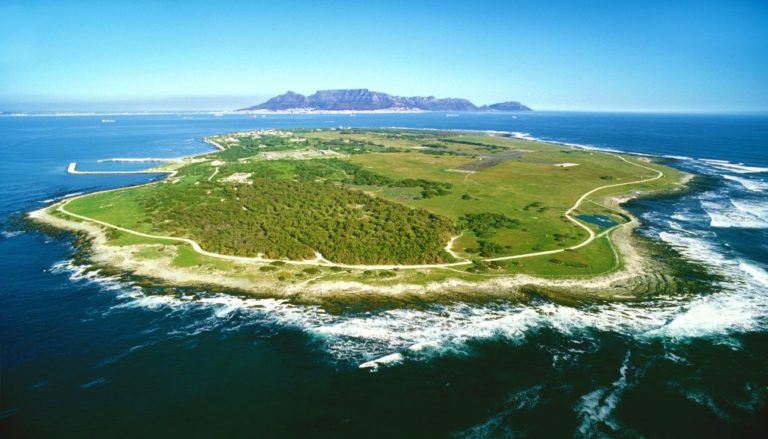
South Africa’s Department of Environment, Forestry and Fisheries recently declared 20 marine sites as protected areas. One of them is Robben Island, the site of the prison where anti-apartheid activists including Nelson Mandela were jailed for decades. The Conversation’s Nontobeko Mtshali asked Alison Kock to explain the significance and what the decision means for the area and surrounding environment.

Marine protected areas are geographically distinct regions of the ocean that are given special protection under the law. They are used worldwide to address over-exploitation of marine resources and safeguard them for future generations.

In the context of South Africa, marine protected areas are used to protect marine species, habitats and cultural heritage. They’re also designed to restore over-exploited marine stocks, promote research and eco-tourism and protect coastal and offshore habitats. South Africa has 136 coastal and marine habitat types, from the coastal nesting grounds of leatherback and loggerhead turtles of iSimangaliso, to the unique coral and gravel habitats of the Amathole Offshore marine protected area. The addition of the new protected area network means that 90 per cent of these habitat types is now protected.

South African marine experts combined the best available scientific information, strategic thinking and a strong participatory process to create a network of marine protected areas that conserves ecosystems, rather than individual species.

South Africa already had 23 marine protected areas. It’s nearly doubled this by adding a new network of 20 under an initiative to unlock the country’s blue economy known as Operation Phakisa. This means that 5.4 per cent of South Africa’s territorial waters are now conserved, compared to 0.4 per cent before the new network was proclaimed.

It falls short of the 10 per cent goal by 2020 that is promoted by the United Nations’ Sustainable Development Goals. The goal is a global call to action to sustainably manage and protect marine and coastal ecosystems. Despite the country’s short fall, it’s better than the global average of 3.6 per cent.

Furthermore, a global review of 144 scientific studies found that for marine wildlife to be adequately conserved and for people to continue to benefit from the ocean, 30 per cent of the ocean needs to be protected by 2030.

Marine protected areas should have ecological, social and economic goals. The way these protected areas are identified and managed has improved over the years. In the past, marine protected areas were often declared using only environmental criteria. There was little or no contribution from local communities and other stakeholders. This led to conflict between people who depended on the regions to make a living and those trying to enforce the protected area status. Ultimately, this had a negative impact on the effectiveness of trying to protect areas.

But that’s changing. Now the process of declaring a new marine protected area network involves extensive consultations between various industries. These include fisheries, mining, aquaculture, tourism industries and local communities.

The impact on communities — economically and socially — differs as each marine protected area has its own set of priority objectives. Take Robben Island, located in Table Bay adjacent to the City of Cape Town, which is on the latest list. It has three priority objectives: to protect the breeding and feeding area of endangered seabirds like African penguins, to help rebuild important abalone and west coast rock lobster stocks, and to promote the area for tourism and protect the area’s cultural heritage.

Read the full article on Down to Earth

Endangered black rhinos travel from Europe to Rwanda

0

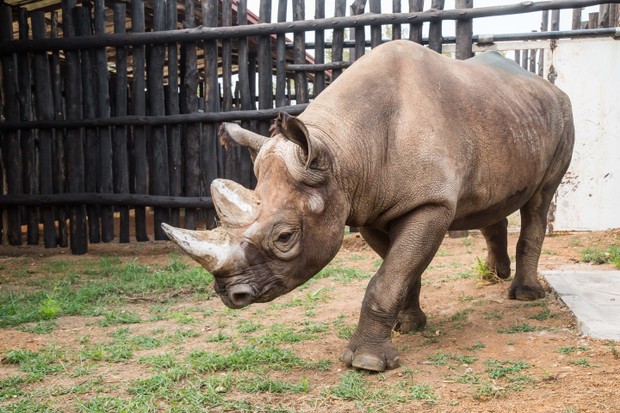
The translocation of five black eastern rhinos Diceros bicornis Michaeli from Europe to Rwanda’s Akagera National Park has been hailed as a success.

“The newly translocated rhinos will bolster the founder group that we introduced in 2017, contributing to the re-establishment of a robust eastern black rhino population in Rwanda,” says Jes Gruner, park manager of Akagera National Park.

In partnership with the European Association of Zoo and Aquarium (EAZA), Rwanda Development Fund and African Parks, which manages Akagera National Park, two males and three females were translocated from Safari Park Dvůr Králové in Czech Republic, Flamingo Land in the UK, and Ree Park Safari in Denmark.

The EAZA Ex Situ Programme (EEP) aims to increase the genetic diversity of the rhinos in Akagera National Park and to reinstate the critically endangered subspecies in Rwanda.

This translocation builds on a population which was established in 2017 and now stands at 20. Prior to this introduction, black rhinos had not been seen in the National Park for ten years.

To begin with, the five new rhinos have been released into small enclosures, called bomas, where they will be monitored for three weeks. Following this, they will be moved into a larger area for several months, and then released into the wider park.

“The success of the EEP has enabled us to supplement natural populations of rhinos in Africa,” says Dr. Thomas Kauffels, chair of the European Association of Zoos and Aquaria.

“Modern zoos are a key part of the conservation landscape, and our collaboration with Akagera National Park and the Rwanda Development Board demonstrates how zoos can contribute directly to the conservation and recovery of endangered species in protected landscapes.”

The IUCN estimates that there are fewer than 5,000 black rhinos in the wild and only 1,000 of these are the critically endangered eastern black rhino subspecies.

Consequently, extensive measures have been put in place to safeguard the Akagera’s rhinos. These include a trained rhino tracking and protection team, a canine anti-poaching unit, and deployment of a helicopter for critical air surveillance to enhance protection of the park.

This translocation forms part of the Rwanda government’s vision to revitalize and protect its natural heritage for both people and animals.

Main image: Rhino in boma in Akagera National Park. © Scott Ramsay/African Parks

Source: BBC Wildlife Magazine

Zambia scraps plans to construct a dam across the Luangwa river

0

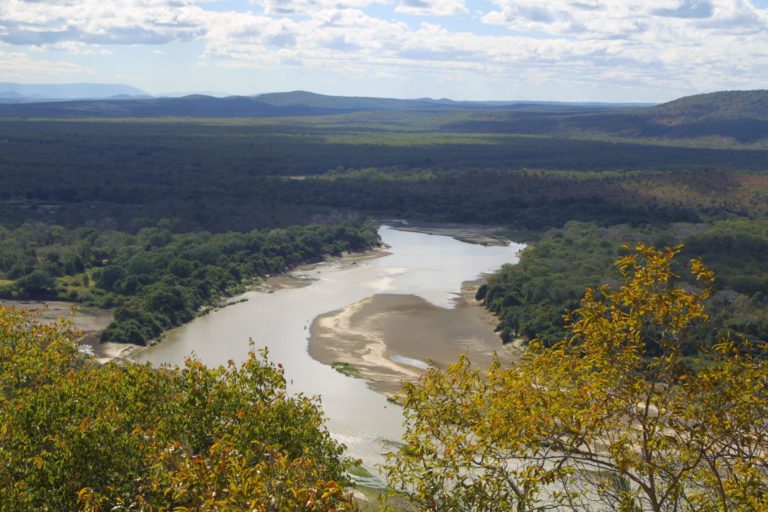
The Zambian Government has decided to stop its plans for the construction of a mega hydropower dam across the Luangwa River, one of the longest flowing rivers in southern Africa.

The decision should help pave the way for the government to declare the river a Water Resource Protection area, something that has been the goal of the World Wildlife Fund and its partners. A petition with almost 200 000 signatories called for the river to be legally protected, which would assist in safeguarding it from the threat posed by dams, deforestation and unsustainable agriculture.

“I wish to thank the government for listening to our pleas, as Luembe has the potential to become another area of wildlife tourism in a few years,” said Senior Chief Luembe of the Nsenga people.

The river is a lifeline for communities, providing 25 chiefdoms with water, food and livelihoods, while supporting a variety of wildlife, including 400 species of birds. It is also one of the only refuges for reintroduced Black rhinos in Zambia, and supports elephant, lion, hippo, leopard, African wild dogs and Thornicroft’s giraffe populations, according to the WWF.

A statement released by WWF says construction of a hydropower dam at Ndevu Gorge would fragment the Luangwa. This would threaten the future of the area’s wildlife, freshwater fish stocks, agriculture, and the tourism that communities in the area depend on.

“After lengthy consultations, the Zambian government has now cancelled the feasibility study, ending its existing plans to build a dam on the Luangwa,” the statement reads.

Commenting on the decision, WWF Zambia Country Director, Nachilala Nkombo, said: “Keeping the Luangwa River free flowing is the best decision for both people and nature, and WWF commends the government for halting the dam and instead of seeking lower-impact, renewable alternatives to power Zambia’s development.”

She added that WWF was ready to support the government in developing a system-wide energy plan that could meet Zambia’s climate and energy goals without damming the remaining free-flowing rivers.

“There are other means that can supply an equivalent amount of electricity, like solar power and windmills, which can be installed along the Muchinga escarpment, with less damage to the environment,” concluded Chief Luembe.

Source: Tourism Update

Tourists will not be affected by forex regulations – ZTA

0

The Zimbabwe Tourism Authority (ZTA) has assured tourists to Zimbabwe that the ban on the use of forex to transact in the country will not affect their stay, as necessary measures are in place to ensure that travellers are not inconvenienced in any way.

The authority released a statement yesterday, June 27, saying that, despite reports circulating in certain sections of the social media, police are not authorised to stop and search people for foreign currency.

The statement says that the new regulations “…will not negatively affect the travelling public, specifically foreign visitors. The regulations are meant for any transactions carried out within Zimbabwe, where it is now illegal to use foreign hard cash, leaving the Zimbabwe Dollar as the only legal tender in the country.”

Below are the payments methods still applicable in Zimbabwe, according to the Zimbabwe Tourism Authority:

  1. Credit cards are readily accepted everywhere in Zimbabwe, where the relevant arrangements have been made with international credit card companies such as VISA, MasterCard and others issued by different banks in the countries of origin of the travellers. Service providers do have international credit card-enabled point-of-sale (POS) machines.
  2. Visitors may also withdraw local cash from international credit card-enabled Automated Teller Machines (ATMs) of the different banks. These will be clearly marked as international and will have the logos of the accepted credit card companies.
  3. Foreign cash may be exchanged at the bank, bureau-de-change or at any other authorised foreign currency dealers at the prevailing bank rates. Visitors are however encouraged to use plastic money and only exchange amounts of money in cash that they anticipate using. However, visitors may convert their money back to their foreign currency subject to prevailing terms and conditions.
  4. Online payments and telegraphic transfers remain acceptable forms of payment in Zimbabwe.
  5. Visa fees, where applicable, are payable in foreign currency and may be paid in cash at any port of entry. The Government of Zimbabwe has an e-visa system and intending travellers may apply and pay for their visas online.
  6. Tipping is not a commercial transaction and hence visitors are at liberty to tip as they wish. It becomes incumbent upon the recipient to ensure adherence to the foreign exchange regulations.

Source: Tourism Update

Forex no longer accepted for transactions in Zimbabwe

0

In a government gazette published on Monday 24th June, the president said: “The British pound, US dollar, South African rand, Botswana pula and any other foreign currency whatsoever shall no longer be legal tender alongside the Zimbabwe dollar in any transaction in Zimbabwe.”

This means that the multi-currency system that Zimbabwe has been using has now come to an end and transactions are now to be conducted in local currency.

There is no physical currency called the Zim dollar yet but effective 24th June, what the Zimbabweans have been calling RTGS dollars and bond notes are being referred to as Zimbabwean dollars.

The Minister of Finance, Mthuli Ncube has issued a statutory instrument that defines what the Zim dollar is. The same instrument sets aside the multicurrency system that has been in place since 2009. The ‘new Zim dollar is now the only accepted legal tender within Zimbabwe except for specified exceptions.

Toolkit guides African govts to multiply earnings from national parks

0

National parks and other state-owned conservation areas could significantly multiply the revenue they pump into African economies, a new report has found.

Bringing new private-sector investment to underfunded protected areas would help fund conservation without draining state finances. It would also increase jobs and drive sustainable local and national development.

Africa is uniquely positioned to attract that investment if it capitalises on the global surge in nature-based tourism, according to the report to be launched on Monday at a major conservation investment summit in Zimbabwe.

Four of every five tourists to sub-Saharan Africa visits to view wildlife, the authors wrote, while the number of tourists is set to double to 134 million by 2030.

Tourism already drives 8.5% of Africa’s GDP and provides 24 million jobs. Spending on tourism, hospitality and recreation could double to more than £200 billion by 2030.

But the natural assets that give Africa its global competitive advantage – its wildlife and landscapes – are under acute threat and could be lost forever unless they urgently prove their economic as well as ecological value.

Some protected areas receive only one in every ten pounds they need, as governments grapple with financial shortfalls amid competing priorities like health, education, and infrastructure development.

The paper, Building a Wildlife Economy: Developing Nature-Based Tourism in African State Protected Areas, will be presented to Africa’s leaders and conservation authorities at the African Union and UN Environment Africa Wildlife Economy Summit in Victoria Falls, Zimbabwe.

The report sets out a pioneering Toolkit that in seven simple steps can guide protected area authorities to attract new international investors to fund national parks while also conserving environments and providing socio-economic benefits.

Using the Toolkit, models on several examples protected areas in Africa predicted revenue increases of between four and eleven times within a decade.

The paper was co-authored by Space for Giants, an international conservation organisation headquartered in Kenya, and Conservation Capital, a conservation business and financial advisory firm. UN Environment and Space for Giants funded the report. The owner of ESI Media, which owns The Independent, is a patron of Space for Giants.

Dr Lauren Evans, Space for Giants’ director of conservation science, said: “Africa’s unique diversity of wildlife and habitat has the potential to radically transform the continent’s economy. At present few State Protected Areas are meeting their potential as engines for growth.

“This presents a major opportunity for governments. Cared for and sustainably developed, these are national assets that can provide significant financial and social returns now and long into the future.”

Combining analyses of existing research and pioneering proven approaches to increasing revenue in Africa’s protected areas, the authors wrote that Africa’s 8,400 protected areas already earn £38 billion from 69 million visits annually.

Every £1 spent by a nature-based tourist in Africa is worth £1.79 to local economies, and tourism employs 50% more women than other sectors and generates 40% more jobs than the same investment in agriculture.

Under the direction of President Yoweri Museveni, Uganda has embarked on a pilot conservation investment process guided by Space for Giants’ Giants Club initiative, using each of the steps in the Toolkit.

Close to £50 million of new investment in the country’s protected areas is expected to be unlocked when contracts are issued in the coming weeks for a series of new high-end lodges built by Africa’s leading responsible tourism operators.

Space for Giants anticipates new similar conservation initiatives to be announced at the Summit for countries in west and southern Africa.

Oliver Poole, executive director of the Giants Club, said: “What this Working Paper detail is not only the boost to an African country’s economy that comes from developing tourism to its national parks in a sustainable way but also the steps that governments can best take to secure that share of the tourism market.

“If they implement the toolkit laid out in this report they will not only help secure the long-term future of their wildlife and the landscapes they rely on but also will draw on foreign investment, create jobs and raise the GDP of their nation.”

Source: ATTA