

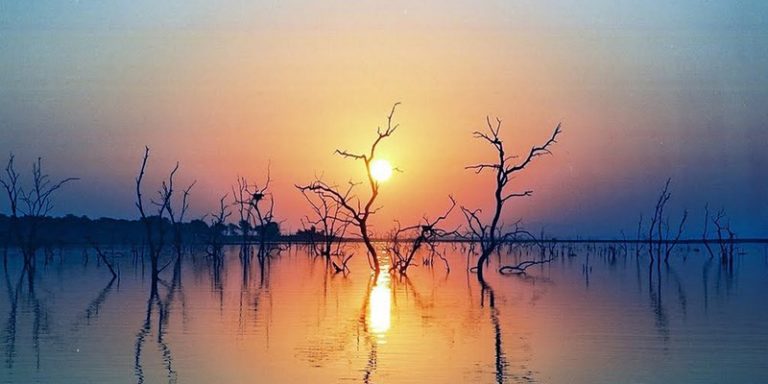
Baobab Lodge in Kariba, Zimbabwe, will open before the end of April.
The 11-room self-catering lodge will accommodate up to 22 people, with each room having a flat-screen television, modern bathroom and air-conditioning. The lodge also has a swimming pool and uncapped Wi-Fi.
Tourism activities accessible from the lodge include boat cruising and fishing in Lake Kariba, dam viewing, crocodile farm visits, and game drives.
Baobab Lodge Director, Innocent Manyera, said the lodge was conveniently located to offer views of the dam and game corridor. “Once all is in place, we will be operational before the end of April.”
SA Government to regulate Airbnb

The South African government will regulate Airbnb and other home-sharing apps in South Africa, amid growing concerns that they are damaging to the tourism sector.
Published on Friday (12 April), the Tourism Amendment Bill states that ‘short-term home rentals’ will now be legislated under the Tourism Act.
The bill also empowers the minister of Tourism to determine the ‘thresholds’ regarding these short-term home rentals.
Speaking to BusinessTech, a spokesperson for the Department of Tourism confirmed that these changes were specifically being introduced to regulate platforms such as Airbnb.
He said that the bill also aims to make it clear that this regulation will fall under the ambit of the minister of tourism.
“There is currently no other piece of legislation that specifies who is responsible for this regulation,” he said.
“We don’t want a situation like with Uber where there is confusion as to who has power to regulate.”
Thresholds
The amendment will also allow the minister to specify ‘thresholds’ when it comes to Airbnbs in South Africa.
This could include limits on the number of nights that a guest can stay or even how much income an Airbnb earns, he said.
“These thresholds are not about being hard on (Airbnb) owners but making sure that everyone gets their fair share,” he said.
“If the guy in the Airbnb gets 13 nights, and the guy next door gets nothing, then he knows that he will get his chance when the Airbnb reaches its threshold.”
“Its more about a shared economy rather than trying to regulate a private service,” he said.
The spokesperson said that the Department of Tourism also plans to give more oversight to local government when it comes to zoning and where an Airbnb may be located.
‘Killing the tourism industry’
The City Press reports that Airbnb has increasingly come under fire in South Africa.
The platform has seen impressive growth in the country, and local hotels are concerned that the unregistered accommodation establishments listed on the platform are taking away business from established bed-and-breakfasts and hotels.
The Federated Hospitality Association of SA (Fedhasa) called for the government to crack down on Airbnb, and smaller organisations have echoed this call.
The Port Elizabeth Metro Bed and Breakfast Association (Pembba) added that Airbnb brought in over R6 million in Nelson Mandela Bay last year, up 65% on the previous period.
However, the formal hotel sector only saw an increase of 0.08% in the same area.
Ten Things You Should Know About Oran
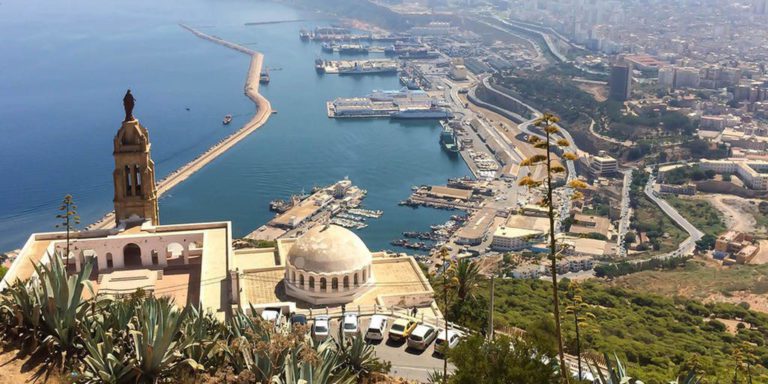
Described as the commercial, industrial, and educational centre of western Algeria, Oran is Algeria’s second largest city and is home to a major port, a military zone and three universities. As a result, the city is lively and full of atmosphere, although rather neglected since the end of the Algerian War. Once the home of fashion icon Yves Saint Laurent, Oran is close to Europe in many respects, and its heritage can be seen among the ruined architecture in a beautiful but crumbling city.
Getting there and away
The city is serviced by Oran Es Sénia Airport, which offers flights with many international carriers, including Air Algérie, Iberia Air, Tunisair and Air Royal Maroc. It is located roughly nine kilometres from the city itself. It is then best to take a taxi into town. Oran can also be reached by ferries from Europe; from the ports of Marseilles, Sète, Alicante and Almería, via the national company Algérie Ferries. Oran is also the Western terminus of the Algerian rail network and trains from the capital Algiers run regularly.
Getting around
Once in the city, taxis and buses can be used to get around, although the system can be quite confusing and informal. Often, taxis must be flagged down, even if occupied, and they will take you if going in the same direction. The bus system is as confusing, with varying frequency and arrival times. However, there is also a newly-built tram system with 32 stops. Once in the city centre, it is an easy and pleasant walk with plenty of stunning architecture to admire.
Where to stay
Often described as the best hotel in Oran, the Royal Hotel Oran is conveniently located in the city centre. It is beautifully decorated with a rich character and history, and service is excellent. Attached to a convention centre, Le Meridien Oran Hotel monolithic structure dominates the skyline and offers some great views. This large and modern hotel has all the amenities you’d expect from a chain, but be prepared to pay more than the average for restaurant costs. Hotel le Raja is less imposing but better suited to a more modest budget.
Eating out
Like many seaside cities that take inspiration from Europe, Oran has a vibrant seafront promenade lined with restaurants and bars and, as one can expect, seafood forms a major part of the Oran dining experience. Restaurant les Gazelles has a view to die for and excellent seafood – the catch of the day is extremely fresh – but can stretch the budget a bit. La Calypso has delicious pizza and attractive street setting, while It Side, despite its achingly hip name, is an affordable Turkish restaurant with friendly and efficient staff. It also serves the best steak in town. Finally, for simple but yummy cuisine and achingly gorgeous views, try Le Petit Chalet.
Nightlife
Like any port and university town, Oran’s nightlife is thriving and is indeed Algeria’s party capital. In fact, the city is famous for it. The Corniche, Oran’s seafront boulevard, is the must-go place for those seeking after-dark excitements. If you’re looking to dance, you have plenty of options. After all, this is the city that established the popular North African music genre rai. For a chic, upmarket venue, try the Atmosphère at the Sheraton Hotel, which now attracts international DJs. Les Pins d’Or, SunHouse and Le Murdjadjo are other options. There are also plenty of bars and cabarets. However, it is advisable to go with locals if possible.
In the city
Oran is surrounded by a military zone, but don’t let that put you off. There are many fascinating things to see in the city. There is an air of neglect among the crumbling French-built architecture but it is still full of beauty. Nowhere exemplifies this more than the Cathédrale de St Louis. From afar, the building, which sits atop a hill, looks impressive but is actually closed up and derelict. It is surrounded by crumbling architecture hearkening back to another time. Bey’s Palace has suffered the same fate but is still a curiosity. Pasha’s Mosque is a somewhat better kept sight-seeing option. For a little history, try the Musée National Ahmed Zabana.
Shopping
Oran is a great place for shopping, offering everything from mall trawling, specialist boutiques, markets and bazaars. Les Arcades is a shopping zone housing food, clothing and souvenir stores, while Mdin Jdidait is a large market where the locals do their shopping. Like in Algiers, there is a Kasbah in Oran, but it is less friendly and it is not advised to go at night but if you do venture in, there are interesting little street markets hidden within. And then of course, the Corniche, or Front de Mer, inspired by Nice’s seafront, is a perfect place for an amble.
Out of the city
It is not advisable to travel too far out of the city (see Health and Safety) but there are plenty of attractions nearby. The Murdjajo hill is quite a climb but is worth it for the views overlooking the city. As if that wasn’t enough, your real reward for the climb is the beautiful Santa Cruz church, built by the Spanish in the 16th century and, above it, the Santa Cruz Fortress, built by the Marquis de Santa Cruz in 1563. For those in the know, there is also a bar in the fortress. The beach, while obviously very popular, is great fun and there are plenty of small reefs to explore. About an hour’s drive from Oran, you’ll also find Madagh, a natural beach with warm, clear water.
History and culture
Established by Moors in the year 903 and since has changed hands many times. It has been variously owned by the Spanish, the Turks, the French and the Vichy Government during World War II. Today, Oran has the sad and ravaged air of a country that has seen great tragedy and indeed its recent history is also brutal. Before the Algerian War, which lasted from 1954 to 1962, Oran had a large European population but in the violence of 1962, a number of Europeans disappeared and many others fled.
Health and safety
Algeria is a restive country with frequent, though mostly peaceful, demonstrations taking place. It is from beyond the borders that threats emanate, with warning being issued for travel near the borders of Mauretania, Mali, Niger, Libya and Tunisia. In addition, there is an increasing threat of terrorism, but it is generally safe in Algiers and other main cities like Oran. If business does take you there, avoid rural areas and travelling at night, and follow usual, sensible safety precautions during the day.
Six Things to Do After Sunset in Victoria Falls

Full-moon dinners
On Zimbabwe’s side of the Falls, perched 120 metres above the rapids of the Batoka Gorge and just downriver of the Victoria Falls Bridge, is the newly opened The Lookout Café. Operated by Wild Horizons, the Café is adjacent to its high-wire facility, where it offers adrenalin-fuelled activities such as the Gorge Swing, Flying Fox and the Vic Falls Canopy Tour.
During full moon, the Café offers special dinners, where guests can enjoy views of the Falls and the bridge, lit by the light of the moon. It can accommodate groups of up to 60 guests and the list of Full Moon Dinner dates can be viewed on its website.
Dinner river cruises
Enjoying sun-downers on the Zambezi is widely regarding as one of the ‘must-do’ activities when visiting the Victoria Falls. Guests are likely to see wildlife on the banks of the river, including elephant and various antelope, along with plentiful birdlife, as well as crocodile and hippo in the river itself.
There are several operators, departing from both the Zambian and the Zimbabwe side of the Falls, with vessels that offer dinner cruises, providing guests with the opportunity to stay on the water after the sun has gone down. These vary in terms of capacity as well as luxury. Safari par Excellence, based on the Zambian side, has two boats that offer dinner cruises – the Makumbi, with space for 100 guests and the smaller Mambushi, with space for 23 guests. Both serve freshly baked snacks, a light dinner and local beverages, spirits and wine.
Based on the Zimbabwe side, the Zambezi Explorer Cruise Company also has two vessels that operate dinner cruises, Zambezi Explorer with capacity for 150 passengers across three decks (booked on an exclusive-basis for dinner cruises), and Zambezi Reflections, which has capacity for 34 passengers and serves gourmet-style meals.
Night game drives
The Victoria Falls is near a number of small reserves and national parks, including the Zambezi National Park and the Stanley and Livingstone Private Game Reserve, both in Zimbabwe
These parks have granted operators special night-time access, as both are normally off-limits to tourists outside daylight hours. Shearwater Adventures offers a rhino encounter game drive, including a night drive and bush dinner. The experience starts before the sun goes down so that guests can see the wildlife that gather at Nakavango Dam to drink, followed by a night drive through the park.
The vehicle then returns to the reserve’s reception area, where guests will enjoy dinner under the stars. Wild Horizons offers a ‘Night Eyes’ safari in Zambezi National Park, which enters the park in the late afternoon and continues into the night. Refreshments are served on the banks of the Zambezi.
Steam train dinner experience
The Royal Livingstone Express gives guests the opportunity to travel in an authentic, restored train. The Royal Livingstone Express comprises five air-conditioned carriages, two dining cars, a club and kitchen car, lounge car and observation car.
The train is operated by Sun International’s Royal Livingstone Hotel in Zambia and takes guests through the Zambezi Valley, providing them with an opportunity to enjoy views of the Falls from the bridge and the scenery of Mosi-oa-Tunya National Park.
For the dinner experience, guests are collected from the Royal Livingstone Hotel at 17h00 and transferred to the Bushtracks Private Station, where they board the first-class lounge carriage. The dining cars have seating capacity for 92 passengers, who are served a six-course gourmet-style meal.
Gwanda: Another unseen destination

I’m very fortunate that my work in Zimbabwe fits hand in hand with my lifestyle. I love travelling, sleeping under the stars, camping and the outdoors. My job takes me to unseen destinations and beautiful remote locations. Last weekend I camped in a Bird and Wildlife Sanctuary located in Gwanda, a beautiful part of Zimbabwe. I woke up to an amazing sunrise and a huge waterbuck with monster sized horns, just a few meters from our tents. This past weekend was another unseen destination.
Ready to Experience the Wild Side of Africa
Experience the wild side of Africa and let the Mara mystify with her untamed beauty. Kate Webster takes you into the wild, from dawn to dusk in one of Africa’s most iconic playgrounds.
As dawn breaks, there was a stirring happening. The air was cool, but charged with an electricity that cuts through the static and leaves you feeling on edge. The smell of the bush danced on the air, a sweet mix of florals, rustic earthy scents and petrichor from the morning dew.
The sun’s golden glow blanketed the plains, its warmth still developing with each minute that passed. The sound of morning birds filled the air in a symphony of calls. There was movement on the horizon. It was my first visit to the Maasai Mara in Kenya. Affectionally known as the Mara, it is a large game reserve in Narok County, which continues to the Serengeti National Park in Mara Region, Tanzania.
The Maasai Mara was named in honour of the ancestral inhabitants of the area, the Maasai people. They described the area when looked at from afar, “Mara”, which is Maa (Maasai language) for “spotted,” an apt description for the circles of trees, scrub, savanna, and cloud shadows that mark the area. Covering some 1,510 km2, the Maasai Mara stretches for as far as the eye can see.
Even then, it is only a fraction of the Greater Mara ecosystem, which covers some 25,000 km2 and includes the following Group Ranches: Koiyaki, Lemek, Ol Chorro Oirowua, Olkinyei, Siana, Maji Moto, Naikara, Ol Derkesi, Kerinkani, Oloirien, and Kimintet.
If I were a vulture circling and looking across the land, I would see the Serengeti Park to the south, the Siria escarpment to the west, and Maasai pastoral ranches to the north, east and west. I would see the Sand, Talek River and Mara River all sustaining the reserve with fringing shrubs and trees.
Access
The day earlier, I boarded a small Air Kenya DeHavilland Twin Otter 300 plane at Wilson Airport in Kenya’s capital of Nairobi and flew east for about two hours to land at Olkiombo Airstrip. Due to the size of the plane, luggage allowance was limited to a soft bag weighing no more than 15kg. The flight was where the excitement started, cruising over the countryside speckled with townships and farms and expanses of terrain that was just empty. Not for the uneasy flyer, the flight took a few pitstops along the way, each time landing on a dirt runway, which seemed in the middle of nowhere.
Camp
With the dying light, it was straight from Olkiombo Airstrip to my accommodation, Mara Expedition Camp. Mara Expedition Camp sits on a small bend in the Ntiakitiak River, where a thick riverine forest meets the unending savannah in the north-central section of the Maasai Mara.
A small camp with just five tents accommodating up to ten guests, the intimacy of this camp is a main drawcard. There was a real feel of authenticity here with an air of yesteryear in the design, which draws stylistic reference from the old, authentic expedition camps of the colonial era
Constructed in the spirit of mobility and non-permanence out of deference to the wilderness, which surrounds it, the camp is tented safari style. However, these tents are far from those you buy at your local camping store. The tastefully appointed tents take glamping off the scale, and you hardly feel like it is a tented camp. Set at ground level and shaded by the forest canopy, the tents forego fancy amenities, but still leave you wanting for nothing.
The oversized bed sat centre of the main room and gave a view out to the bush. A separate bathroom included an antique camp shower that pulls from a brass bucket, adding to the overall experience. The tent was decorated with an eclectic yet co-ordinated assembly of what early explorers may have carried with them – brass chandeliers, old Indian campaign chests, rich leather and hardwood furniture – combined with rich textiles and soft cottons
Into the wild
Waking before the sun, I was ready to embark on my first game drive of my stay. It was late October and still relatively cold in the mornings. Armed with an artillery of cameras and lenses, freshly brewed coffee and a traditional Maasai shuka cloth that is affectionately known as the “African blanket” to keep me warm.
There was just myself and JP, the game ranger, in the open-air vehicle as we bounced off into the breaking dawn.
It didn’t take me long to grasp that this is a place of learning, where Africa teaches lessons that will change the way you view the world in one of the most incredible classrooms on the planet – the incomparable Maasai Mara. A place where lions and other big cats own the night; a place where hippos stake claim to vast territories; a place where we submit to the supreme power of wild Africa and take our lead from Mother Nature.
The golden glow of the sky faded as the sun rose higher in the sky and the slight stirring of wildlife during the breaking dawn became more active. There seemed to be a sense of urgency to start the day. Just a few kilometres out from the camp and that supreme power of the wild was upon me.
Giraffes walked gracefully across the plains, curiously stopping every so often to glance around and survey the area. Grand majestic elephants paraded slowly past, the younger elephants trailing playfully behind. Wild dogs called in the distance, an excited chatter like that of children running off to play.
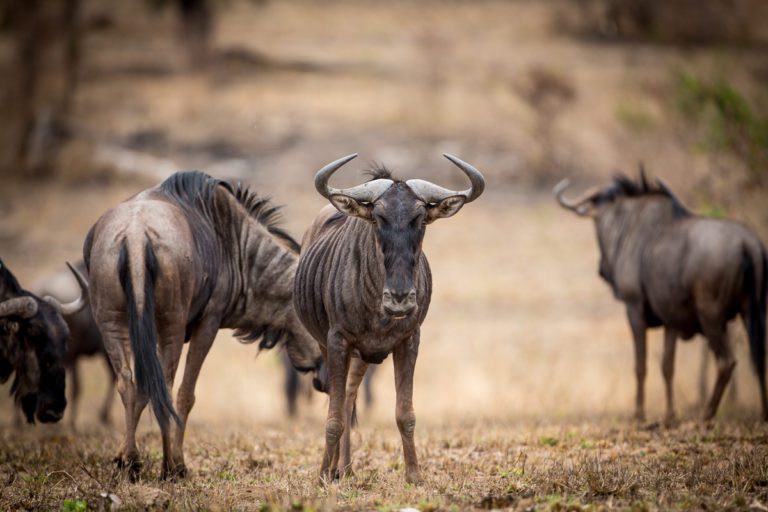
Herds of wildebeest congregated as if attending a morning board meeting. Mixed with them were dazzles of zebra and I am told these are the stragglers that did not venture on the great migration. Described as the greatest show on Earth, the Great Migration is an overwhelming, humbling and quite simply amazing wildlife experience.
Every year, millions of wildebeest, zebras and gazelles combined gather on the vast plains of the Serengeti in Tanzania to begin their race towards greener grazing lands. Following the rains, they head north towards the Maasai Mara before about-turning and dashing south again. It’s a sprint for survival, covering a total of over 1,800 miles, and the journey is incredibly tough, where only the strong survive
Survival is a battle that is played out daily in the Mara, and from the serene start to my morning, I was about to be quickly awoken by such a battle. A lioness crouched in the long grass, her body twitched in anticipation. Although her stare was fixed on the target, she was aware of everything that was going on around her. The gazelle unfortunately was not, otherwise it would have realised what immediate danger it was in and the fate that lay ahead. It had been only minutes that I had been watching the lioness’s stealth, but it felt like hours, and the anticipation numbed my body. I had to remind myself to breathe.
A lighting burst from the lioness began the hunt as she erupted from the silence of her camouflage, the attack was on. The gazelle realised all too late. In the distance I saw a flurry of movement in the scrub and grass, the impala’s hind leg jutted into the air and the tumble of these two animals in this wrestle for life stirred up dust and debris that floated gently in the air above the chaos that unravelled below.
As we drove closer to the kill, an overwhelming sense of emotions engulfed me. The initial scene of tragedy turned to one of hope as the lioness was soon joined by her small family, with more of the pride arriving to feast on the meal. It then becomes clear to me the meaning behind ‘the circle of life’, the loss of one animal’s life in order for another animal to live.
This circle is the essence of Africa. It’s what keeps the continent’s heart beating; it’s what keeps it alive. A beat that is rooted deep in the soil that supplies life to the age-old Baobab trees; a beat that echoes beyond the vast plains that feed such amazing and unique animals; a beat that lives on in the souls of those who live there and a beat that will always remain in my heart after my first visit to the Maasai Mara.
As my day came to an end, I revelled in the most memorable African sunset. The yellow-orange-red and violet hues of sunset was intense, yet offered a calming warmth. Like a great big romantic fire in the sky, the sun dipped behind the horizon as if an orchestral symphony was quieting down. The sun’s rays waved goodbye like an old friend, but you know you will see them again.
Journey to Marrakech
We were all feeling exhausted but exhilarated… to be expected after a couple of weeks of travel in an exciting place like Morocco. “Sensory overload” is the best way to describe it – it’s a journey of exotic sights, unusual sounds, intriguing smells and emotional highs. Every day is magic, and it leaves you wanting more. Yes, you can get a little greedy in Morocco!
We are on an 18-day all-girls trip to this magical country, and everywhere we go, our guide, Adil, is the envy of every man we meet – policemen, rug salesmen, waiters. “They are my wives,” Adil jokes in his thick Moroccan accent. It is fun to be a female tourist here: A bit of flirting never goes astray when trying to get the price of a carpet down! And every time we walk into a spice shop, mint tea is served and we are entertained for a good hour smelling spices, having our temples massaged with orange flower oil, and our wrists dabbed with sweet smelling oils. Now, we wouldn’t get that at home!
Aside from meeting the wonderfully generous Moroccans, riding camels into the Sahara is one of the many highlights. With the sun setting on the horizon, we saunter on camelback to our desert camp for the night; the colour of the huge dunes changes from orange to rose. The silence and vast nothingness of the desert clears the mind and is good for the soul. On arrival at camp, we relax with a gin. Mohammed, our Tuareg guide disappears into a goat-hair tent, emerging an hour later with a wonderfully tasty vegetable tajine. He knows the way to a girl’s heart! We all agree “Life doesn’t get much better than this,” as we nestle into our blankets for the night, and sweet Saharan dreams are had in our “million star hotel”.
A few days and several amazing sights later, we take an overnight hike into the Atlas Mountains to stay with a Berber family. Our hike takes us along well-used donkey trails on bare mountainsides, dotted with goat-herders and their flocks, and random Berber villages. Lunchtime is again a feast prepared by our guides – Berber omelets, salad, bread and fruit. The food in Morocco is always prepared fresh, spiced just right, and is, quite frankly, just the best!
In the late afternoon, we arrive in our remote village, a convoy of curious children in tow. Mint tea is immediately served on the terrace of the house, whilst neighbours peer curiously at us. Most of these people have never even been to Marrakesh, a few hours’ walk and two-hours’ drive away. Life is simple and basic here. The mother of the family gives us a toothless grin as she sifts hot couscous through her hands. The couscous is delicious and we all eat from the same large dish, with our right hand. After dinner, we are tired, but reluctant to go to bed: it’s very special spending this time with the Berbers…
Gone is the peace of the mountains and the desert: Marrakesh is exotic, chaotic, exciting and irresistible. Our first stop after the hike is a hammam (traditional bath). Dressed in just our undies in a hot, steamy room, we pour water over ourselves and rub our bodies all over with savon noir, an olive-oil soap. One by one, we are taken to a warm marble slab for a scrubbing – the attendant uses a rough glove to scrub us to within an inch of our lives! Probably the last time I was this clean was at birth! This rough treatment is followed by a luxurious argane oil massage. Relaxed and sleepy, we make our way back to the riad (a beautiful tiled accommodation) for an early night.
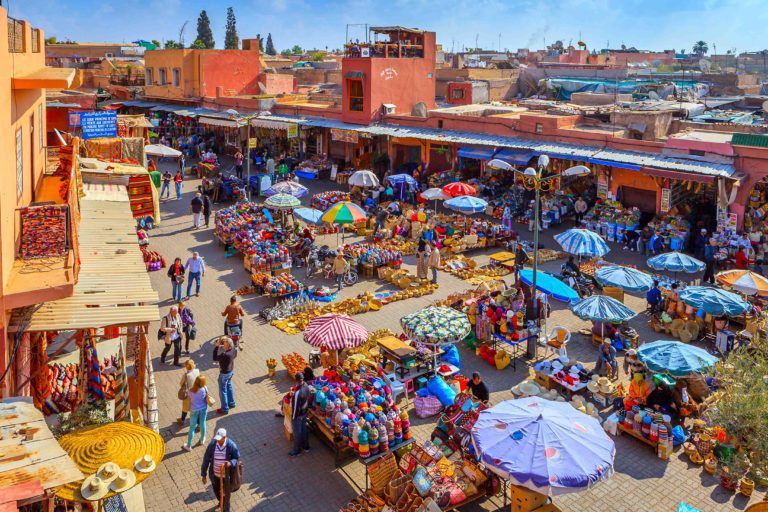
As we sit on the rooftop terrace of the riad, we hear the Berber drums beating in the big square and enticing wafts of food and spices drift our way…who can resist? We decide we’ll sleep after the trip is over. Off we go to the square: belly dancers, storytellers, acrobats and snake charmers entertain the throngs of people attracted to this madness. Behind all this action are rows of brightly lit food stalls, orange juice and dried fruit stands, spiced tea stalls… Food hawkers try to lure us to their tables, henna ladies vie for our attention to sell us a henna tattoo, children selling trinkets follow us around, swarthy men make casual advances and beggars try to cadge a dirham or two. After a couple of hours of this, we finally give in to our tiredness, and, thoroughly over-stimulated, we make our way back to the riad for some well-deserved sleep. After all, tomorrow awaits another day.
Crocodile cage diving at night introduced in Victoria Falls
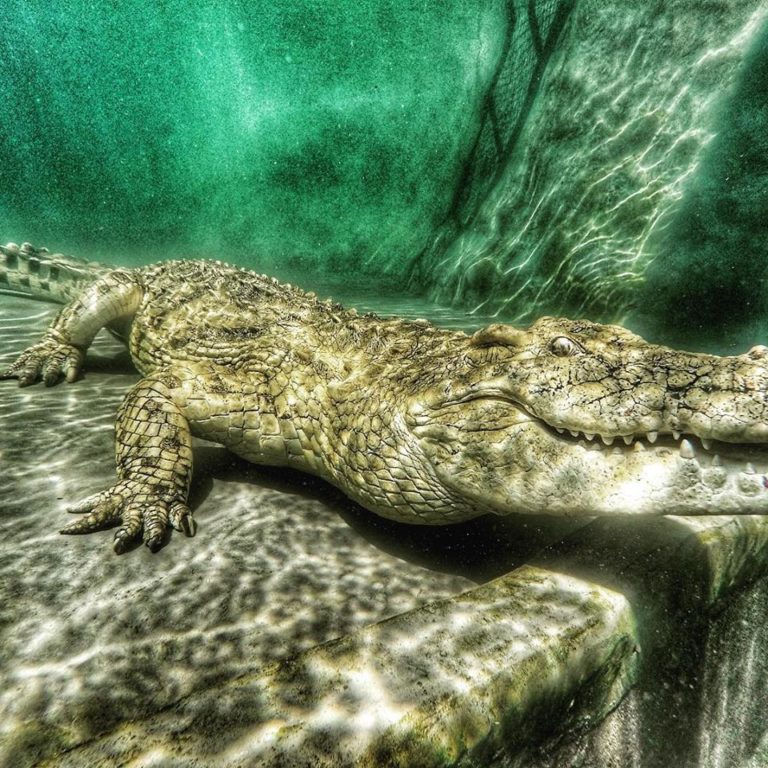
Crocodile Cage Diving has introduced night dives in Victoria Falls, in the centre of Victoria Falls town, at the Elephants Walk Shopping Village.
A subsidiary of African Predator Diving Excellence, Crocodile Cage Diving will operate the cages – designed for two to four people – by an overhead monorail. The cage will then be suspended above the crocs before being slowly lowered into the enclosure. Crocodile handlers will feed the crocs to encourage a close encounter.
Taking place daily between 19h00 and 21h30, each cage diving experience will last for 30 minutes.
General Manager of Crocodile Cage Diving, Jordan Dhana, says croc cage diving gives tourists the opportunity to interact with crocodiles at close range. – Tourism Update
Facebook plans to open a content review centre in Nairobi Kenya

As part of the technology giant’s initiative to curb the ramp of fake news and revive true journalism, Facebook plans to open a content review centre in Nairobi, Kenya.
With the increased pressure from regulators in nearly all parts of the world, the social media titan is set to employ no less than 100 people this year, who will review content that will support a number of languages, including Swahili, Somali, Oromo, and Hausa.
According to Facebook’s Public Policy Director, Ebele Okobi, the content review centre is part of the firm’s continued investment across Sub-Saharan Africa and the commitment to safety as well as security on its platform.
She exclusively revealed that the content moderators would be brought on board to serve the need of users across the continent. They will join the over 30,000 employees at Facebook, most of whom are content reviewers saddled with the responsibility to enforce the firm’s community standards that are aimed to limit misinformation, misinterpretation, misrepresentation, nudity, hate speech and other forms of online abuse.
The Nairobi content review centre will be run in collaboration with Samasource – a Kenyan Non-governmental organization (NGO) that majors in building capacity and provides training services for online jobs.
On the partnership, Carolyn Komen, Program Director at Samasource said: “We’re excited to partner with Facebook in Nairobi to help keep people on Facebook safe and continue our mission. Our team will receive extensive training and support, benefit from industry-leading facilities, and have the opportunity to advance their careers in tech through this partnership.”
Fadzai Madzingira, Public Policy Associate for content, said that over the years, Facebook has made significant investments globally, and locally in ensuring that people see the content they want to look at, and are aware of what is and isn’t allowed on the platform.
“We want Facebook to be a place where people can express themselves and freely discuss different points of view while ensuring that it remains safe for everyone,” Madzingira added.
Source: Gadgets Africa
Construction of new 4-star luxury hotel in Zimbabwe
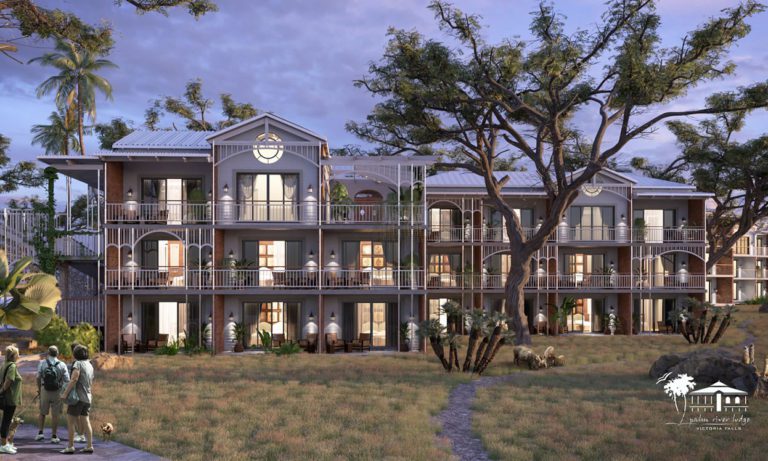
Ilala Lodge Hotel Group has commenced construction of a new luxury hotel on the banks of the Zambezi River, Victoria Falls, following a Groundbreaking Ceremony held last week. The 4-star luxury hotel will be named the Palm River Lodge and marks a significant expansion to the Ilala Lodge Hotel Group.
Welcoming the construction of the Palm River Lodge, were honorary members of council, including the Honorable Minister of State for Provincial Affairs, Matabeleland North Province, Honorable CDE. Richard Moyo and the Mayor of the Municipality of Victoria Falls, Cllr Dhlamini.
“Such expansion allows for the increased accommodation of various tourist activities which translates into an increase of our tourist arrival space,” said the Honorable Minister of State for Provincial Affairs, Matabeleland North Province, Honorable CDE. Richard Moyo, “This project will also create a number of job opportunities for our people in the resort town of Victoria Falls and other supporting industries like the transport sector, arts and music industry.”
“In addition to boosting tourism and employment within Victoria Falls, the USD$ 15 million investment marks a distinguished expansion for the Ilala Lodge Hotel Group,” said Jim Brown, CEO of Ilala Lodge Hotel Group, “Given the continued growth of Victoria Falls as one of the premier destinations in Africa, we feel there is room in the market to offer another high-quality, luxury hotel for the discerning traveller.”
The idyllic location of the Palm River Lodge offers an unmatched panoramic view of the renowned Zambezi River, just a short distance from the mighty Victoria Falls waterfall.
Guests staying at the hotel will experience the tranquil riverside location, its beautiful landscapes and the wildlife that roams within.
The Palm River Lodge takes inspiration from a rich local history of Victoria Falls town, as illustrated in its high ceilings, spacious verandas and iconic Queenslander style architecture. It will cover a total floor space approx. 8000 square metres.
The inside reflects a modern, natural and stylish elegance, with 73 generously-sized deluxe guest rooms, a luxurious presidential suite, two honeymoon suites and two private villas. The Palm River Lodge will also offer a relaxing spa, state-of-the-art gym facilities and an outdoor swimming pool.
The hotel will present two unique dining experiences, including indoor á la carte fine-dining and outdoor dining on the banks of the Zambezi River. Guests may also delight in luxury river cruises onboard the Ra-Ikane River Cruise, owned by the Ilala Lodge Hotel Group.
Striving for first-class service with immaculate attention to detail, the plus 4-star hotel is scheduled for completion in June 2020.