

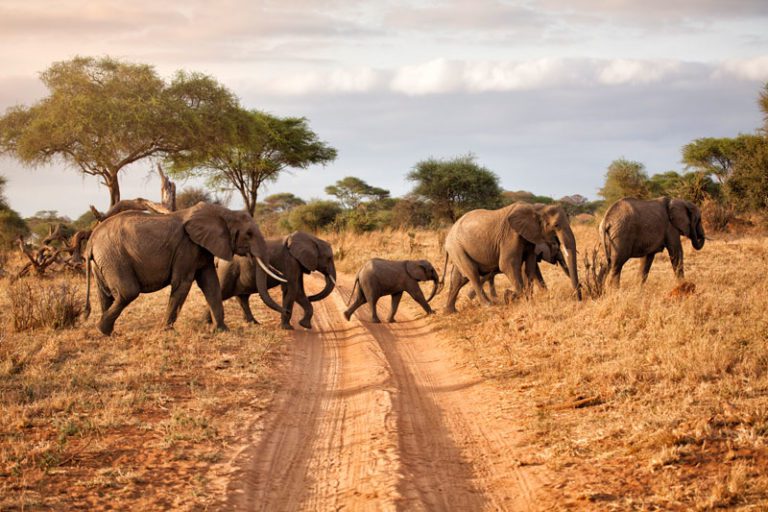
Like most traditional upscale travel, the main demographic for African safaris have long been the 55-plus market, people who have both the money and time to do it right.
And while everyone from river cruise companies to tour operators and hotels in recent years have been highly focused on courting millennials, Sherwin Banda, president of African Travel Inc. says he is seeing a rise in a different generation of travellers, those aged 35 to 50 with six-figure incomes. “I like to call them the executive spenders,” Banda said. “These are people who are getting married later in life or have been married for a while but don’t have children and they are making incomes of $100,000 or more. These are people who have become accustomed to their parents’ travelling style. So it is really great to see this new demographic interested in luxury travel.” And like the younger and much-talked-about millennial demographic, he says, these executive spenders are very focused on sustainability. “They will buy travel and experiences focused on some kind of sustainable efforts,” Banda said. “They want to make sure that their travel dollars are truly going to make a difference to local communities and wildlife efforts in Africa, and that fits so beautifully with what we do at African Travel.” African Travel is part of The Travel Corporation, which runs the Treadright Foundation to support communities, women, wildlife and environmental programs. And while the “executive spenders” are a fairly new demographic for African Travel, Banda says it’s not just the post-baby boomers fueling the rise in travel to the continent. “Demand for Africa has increased exponentially across all ages in the last few years,” he said, driven by travellers who have “become accustomed to travelling to new destinations such as the Galapagos, such as Vietnam experiences that cannot be replicated in any other place.” And that, he says, is exactly African Travel’s focus, helping agents curate personal itineraries for their clients that cannot be found elsewhere. Increasingly that includes bush-to-beach trips that can include a traditional safari or mountain gorilla trek followed by a stay at a remote one-room beach resort in Zanzibar, Banda said. African Travel can also develop Cape Town to Cairo trips, where travellers can go “from the very tip of Africa all the way up to Cairo and stop everywhere in between,” he said. The company’s goal, Banda said, is to be a one-stop shop for agents looking to book such trips. With all of its planners having lived in or travelled extensively to Africa, he said they can work with agents and their clients to book highly personalized adventures. “It is impossible for travel agents to know every destination in the world,” he said. “Our goal is to make them look like rock stars.”ZTA rolls out domestic tourism campaign

The Zimbabwe Tourism Authority (ZTA) says promoting domestic tourism is a key component of enhancing national brand awareness and increasing the sector’s contribution to the economy.
ZTA acting chief executive officer, Mrs Rita Likukuma, said Zimbabweans can be better brand ambassadors of the country when they visit other foreign nations.
Speaking at an event hosted by the Marketers’ Association of Zimbabwe (MAZ) on the sidelines of the Zimbabwe International Trade Fair (ZITF) underway in Bulawayo, Mrs Likukuma said while the country recently won an award for the most sustainable tourist destination at the International Tourism Bourse in Germany and was voted as the third must-visit destination after Sri Lanka and Germany, it was important for domestic tourism to grow in the country.
“We are currently on a path of creating a positive Zimbabwean brand but this cannot be done if locals do not know their country well.
“Our children barely know what Zimbabwe is like. When they go outside the country and foreigners ask about Zimbabwe, they do not have knowledge about where they come from and this has to change,” she said.
Mrs Likukuma said domestic travel should also take centre stage in reviving the economy and linking various businesses.
“We are not saying domestic tourism should only be for those who later travel to other nations but it should be undertaken to boost the economy, when people travel they tend to spend on various business sectors and this in return grows the economy,” she said.
Mrs Likukuma said the tourism and hospitality industry should offer competitive prices and value for money so that Zimbabweans can easily “holiday at home”.
“Tourism is a critical sector in terms of its contribution to the key economic aggregates including national output, employment creation and generation of the much needed foreign currency hence the need for strategies to improve its performance,” she said.
Meanwhile, international holiday rental search engine, HomeToGo, named Zimbabwe among the top 10 trending destinations for United Kingdom-based tourists and National Geographic also acknowledged the country as one of the prime tourist destinations in the world.
An African Anthology adds Iganyana Tented Camp to its portfolio
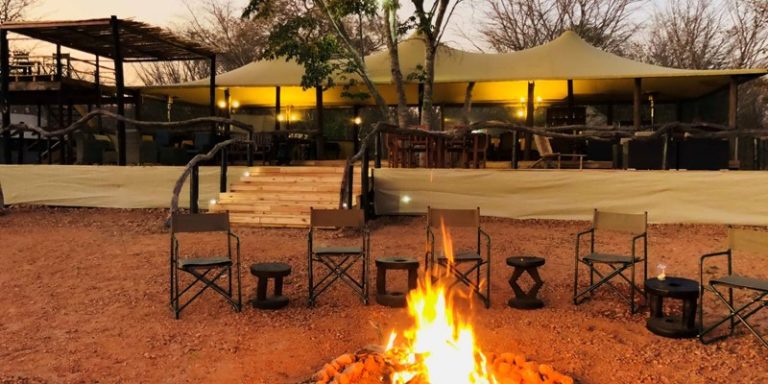
An African Anthology has introduced Iganyana Tented Camp to its portfolio – a luxury camp in a concession area on the border of Hwange National Park.
The 15 large luxury tents each span 59.4sqm, with all rooms having king or twin beds and en-suite bathrooms. Bathrooms are equipped with flush toilets, double vanities, outdoor showers and solar-powered hot water.
The rooms are air-conditioned, have separate dressing areas, an indoor sitting area, tea- and coffee-making facilities, and double doors leading on to a shaded outdoor veranda.
The camp looks out over the grass plains of a dry riverbed, with natural walkways of compacted red river sand leading to the centre of the camp. Tall rain trees shade a large Bedouin tented dining and living area, which opens on to a large, raised wooden deck overlooking the nearby waterhole.
Activities include game drives in Hwange National Park, bush walks or a visit to the African Painted Dog Conservation Centre. Full-day game drives inside the park are available on request.
Hwange National Park has over 100 species of mammals, including the Big Five, and over 400 species of birds – it is considered to have among the highest diversity of animals of any national park in the world.
Source: Tourism Update
Wild Horizons Lookout Café Reopening Update

When flames engulfed and devastated the Wild Horizons Lookout Café, it was a great loss for the town of Victoria Falls. While Wild Horizons has been working tirelessly on the reconstruction of this iconic restaurant, due to circumstances beyond their control, the process has encountered numerous hindrances along the way. For this reason, they have regretfully had to postpone the opening date of the restaurant to 1 September 2019.
Herewith please find a brief description of the new café as well as important quick facts:-
Perched on the rim of the Batoka Gorge, Wild Horizons Lookout Café is a fusion of spectacular views and exquisite food. The African Contemporary styled restaurant is designed to emphasise its unique panoramic view of the Victoria Falls Bridge and Batoka Gorges, which form part of the spectacular backdrop. Recycled and eco-friendly material has been used throughout the rebuild of The Lookout ensuring it is infused with the Wild Horizons conservation ethos. With a mouthwatering menu, a lively selection of cocktails, and the best view in Victoria Falls, the dining experience promises to be a sensory overload.
AMBIENCE: Casual, Child-Friendly, Classic, Meal with a View
CUISINE: African / Local, Contemporary, International
FACILITIES: We only accept Visa and Mastercard, Bar, Licensed, Parking, Vegetarian, Wheelchair Access
WIFI: Free
SEATING: Outside terrace x 60; Indoor x 140; Lower deck (cocktail and canapé area) x 60
OPENING HOURS: Open daily from 08h00 to 22h00 (freshly baked muffins available daily from 08h00).
BREAKFAST: No breakfast during the week unless prebooked.
Saturday & Sunday 08h00 – 10h00
LUNCH: 10h00 to 16h00
SNACK MENU: 16h00 – 18h30
DINNER: 18h30 – 22h00 (last food orders at 21h00)
Uganda Airlines returns after 18 years
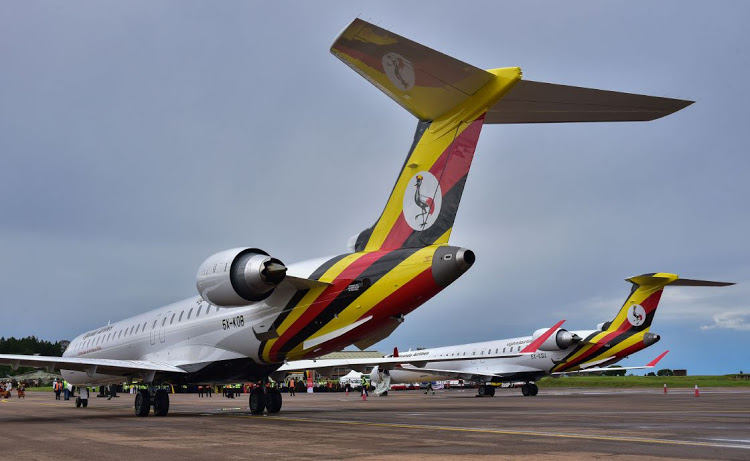
Uganda’s President Yoweri Museveni has received two Bombardier CRJ900 jets from Canada at Entebbe International Airport.
The arrival of the new planes, with the words Ugandan Airlines on the sides of the aircraft, marks the official comeback for the East African country’s national carrier, that was grounded in 2001.
Authorities hope that revival of the national carrier will help the economy and boost tourism.
Commercial flights are expected to start in July, and two more Bombardier planes are to be added to the fleet later this year.
Free shuttle service for ZITF visitors
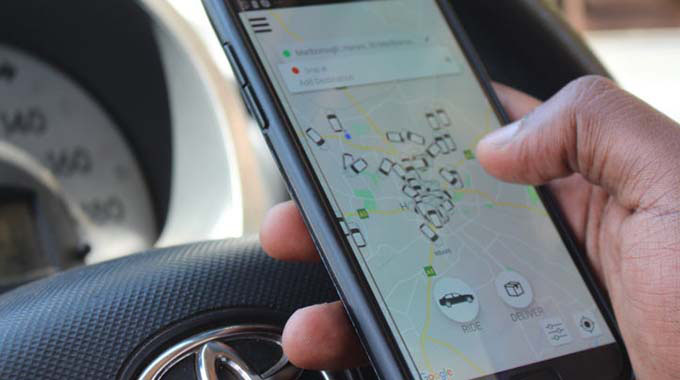
BULAWAYO – Vaya Mobility service, which is now available in all major Zimbabwean cities and towns is taking advantage of the Zimbabwe International Trade Fair (ZITF) to launch its new Vaya Shuttle service by offering free rides to exhibitors, business people and professionals travelling to the Trade Fair by air.
Throughout the Trade Fair week, Vaya will be offering a free shuttle service from Bulawayo’s Joshua Mqambuko Nkomo International Airport to all visitors to the ZITF upon landing at the airport.
“It’s open to all travellers attending the Trade Fair who land at the airport, and it’s absolutely free,” said Ms Dorothy Zimuto, CEO of Cassava On Demand, whose Vaya Mobility business has launched the Vaya Shuttle service.
“Once they are checked out at the arrivals section of the airport, all they need to do is show our Vaya hostesses and stewards on the ground their boarding pass or air ticket, and our shuttle service will gladly ferry them to any of the various hotels in the city – for free,” Ms Zimuto said.
She said the most convenient route the Shuttle service will be using is the one from the airport to Bulawayo City Hall, on to the Rainbow Hotel, the Holiday Inn Hotel, Cresta Churchill Hotel and back to the airport.
She said the Vaya Shuttle free service would run during the entire Trade Fair period, from April 22 to April to 27, every day and every hour – from 6am to 10pm.
“Our Vaya Shuttle hostesses and stewards will be stationed at the airport and available to offer personal assistance to travellers wishing to use the service,” Ms Zimuto said.
She, however, said to be eligible for a free ride, travellers should download the Vaya Africa App from the Play Store on their Android phones, or from the App Store on their Apple devices (iPhones), adding that the shuttle service will be easy to identify because of the Vaya branding on the vehicles and on the attire of Vaya hostesses and stewards at the Airport.
“They (visitors) will definitely not miss our staff on the ground at the airport, and at all major hotels in the city, and at several guest houses around Bulawayo,” Ms Zimuto said.
She promised that there was much more to come from Vaya at the Trade Fair, without immediately giving details.
Vaya Shuttle service is part of Vaya Mobility – the division of Vaya hail riding services that transports people. It is part of the Vaya stable of services, which include Vaya Logistics – the part of the business that transports goods and services.
Both Vaya Mobility and Vaya Logistics belong to Cassava On Demand, a business unit of Cassava Smartech Zimbabwe, the diversified technology and fintech services business listed on the Zimbabwe Stock Exchange.
Zambia and Zimbabwe push for SADC Uni-Visa
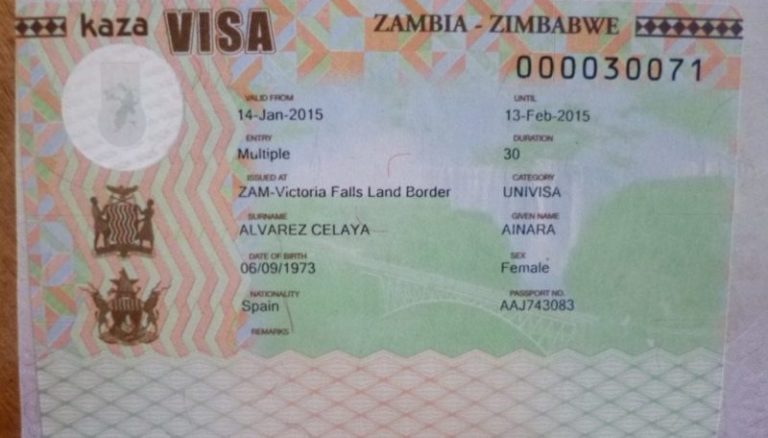
Zambia and Zimbabwe seek to convince the other SADC countries to adopt the Uni-visa concept to facilitate trade and free movement of people across borders.
The two neighbouring countries launched the Uni-visa in November 2014 with the intention of spreading it to the other three Kavango Zambezi Transfrontier Conservation Area (KAZA TFCA) countries Angola, Botswana and Namibia and later across Sadc.
However, until now, the facility has remained between the two countries while the other KAZA TFCA member states have not adopted it.
Zambia and Zimbabwe are convinced that the pilot facility has been successful and are lobbying the other partner countries to join in the rollout phase.
The KAZA Uni-visa costs USD$50 and allows tourists to obtain one visa to visit both countries multiple times within a month.
The visa is valid for 30 days as long as the holder does not leave the two countries.
It also affords the holder to visit Botswana for day-trips through Kazungula Border.
A regional roadshow is on the cards to market the facility across the conservation area centred around the Caprivi-Chobe-Victoria Falls area along the Zambezi River.
The roadshow can only be held once Angola, Botswana and Namibia buy-in.
Environment, Tourism and Hospitality Industry Minister Prisca Mupfumira last week appealed to her counterparts to adopt the facility.
She said the Uni-visa, whose concept is borrowed from the European Union free trade area, is key to tourism.
“As Zimbabwe and Zambia, we are ready to roll out the Uni-visa but we stand guided by the three partners once they are ready. Roadshows by Zimbabwe and Zambia were meant to be in May because the pilot is complete. We should put this high on agenda, let’s take it seriously because it’s a priority in tourism,” said Minister Mupfumira.
She was speaking at the Joint Management Committee and Committee of Senior Officials meeting held recently in Victoria Falls. Minister Mupfumira said once successful, the Kaza Uni-visa would trigger a Sadc visa.
Her counterparts from the other countries seemed to promise to adopt the facility.
Botswana Minister of Environment, Natural Resource Conservation and Tourism, Onkokame Kitso Mokaila said his country had tasked its immigration department to assess how beneficial the facility could be.
The Angolan tourism minister said since the facility has been tried and tested in Zambia, and Zimbabwe as well as into Botswana, there will not be any challenges implementing it.
The Uni-visa is available at Harare and Victoria Falls International Airports and Victoria Falls border as well as Kenneth Kaunda and Harry Mwanga Nkumbula International airports and Kazungula border shared by the two countries.
Currently, it is accessible to travellers from 65 countries of the world.
IHG to add 1 000 more rooms to its Africa offering
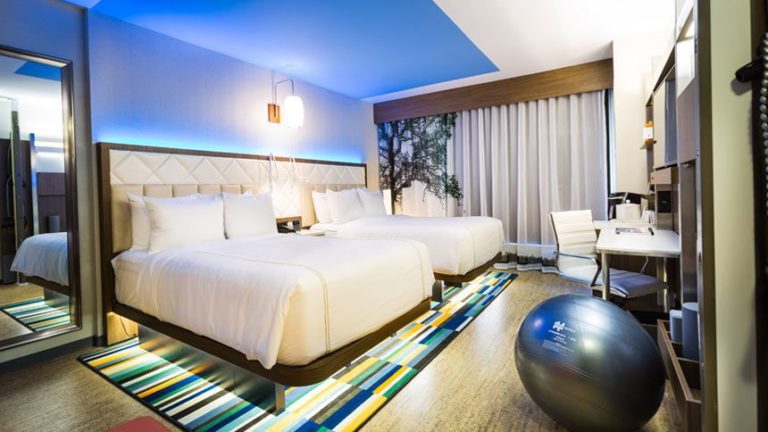
InterContinental Hotels Group is expected to roll out multiple franchise hotels over the next 10 years, across midscale, upscale and luxury segments, after signing a Master Development Agreement with Valor Hospitality Partners Africa.
As one of the world’s leading hotel companies, the agreement will see IHG expand its presence in Sub-Saharan Africa, including key countries such as South Africa, Botswana, Mozambique, Mauritius, Ethiopia, Zambia and Kenya.
“The development adds to IHG’s growing pipeline in the Middle East and Africa and cements its position as one of the leading operators in the region,” the group said in a statement announcing the partnership.
Valor Hospitality Partners Africa is a subsidiary of Valor Hospitality Partners Global that manages and asset manages projects across America, the UK, Middle East, South Africa and South East Asia. IHG currently operates hotels with Valor Hospitality Partners in America and the UK.
Pascal Gauvin, Managing Director, India, Middle East and Africa, IHG says, “Valor has been our long-term partner in America and the UK for many years and we are pleased to be building our network with an experienced existing operating partner in new markets.
“This signing is in line with our growth ambition in the region and will add approximately 1 000 rooms to our portfolio in the African continent, primarily in the mid-scale segment and select hotels in upscale and luxury segments. This will allow us to cater to the increasing number of diverse domestic and international travellers looking for quality branded accommodation in Africa.”
“We currently have 26 operating hotels across eight countries in Africa, and we are looking at expanding our presence further by close to 40%, in 3-5 years.
Graham Wood, Managing Director of Valor Hospitality Partners Africa adds, “We are thrilled to further strengthen our partnership with a global hospitality leader such as IHG® and expand our portfolio in Africa with their well-established brands that are loved by travellers across the world.
“We have consistently benefitted from IHG’s global distribution system in the Americas and the UK, best in class revenue management tools, and their commitment to delivering commercial success in partnership with their owners. With the new brands IHG has added in recent months, this agreement presents us with a unique opportunity to provide a range of high-quality branded accommodation options to suit the evolving needs of guests travelling to Africa.”
Ten Things You Should Know About Nacala
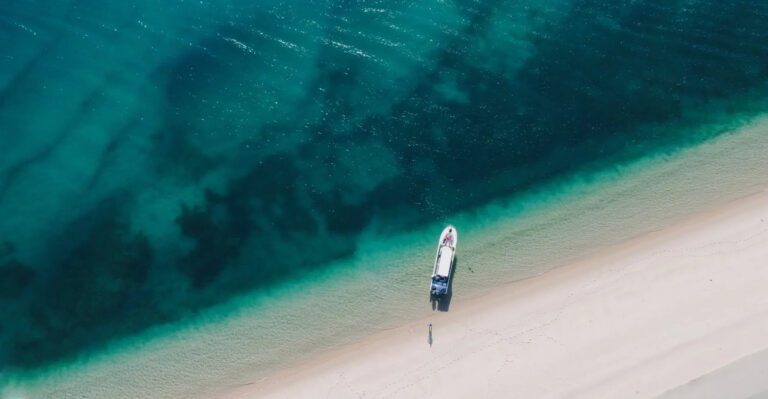
Nacala is a small town serving the deepest natural port on the east coast of Africa. It also happens to sit on a major strategic 981km railway – on the Nacala Development Corridor – which stretches from Nacala to Malawi. The region is also being developed into a special economic zone and construction on the port is still ongoing. Although currently home to just over 200,000 people, this little town is quietly undergoing an economic transformation.
Getting there and away
Nacala is served by Mozambique’s most modern airport. It was designed by the Brazilian company Odebrecht and inaugurated with much fanfare in December 2014. However, the only airline currently making scheduled flights to Nacala is Mozambique Airlines (LAM), and only to and from Maputo. However, plans are underfoot to restructure the publicly-owned airport. To get into town, car hire services, such as Sixt and Europcar, are available. The airport is about 10km from the city. If you’d prefer a shuttle, make sure to check with your hotels ahead of time what services are offered.
Getting around
With its new airport, strategic port and railway systems, Nacala is becoming quite a transport hub. However, roads in the town are not all up to scratch so do take care, especially during periods of rain. Hiring a car is probably your best option as public transport options are limited. There are “chapas” (private minibuses) that run around town and down to the port but, otherwise, check with your hotel what options can be arranged. Nacala is also easily walkable with many districts within good distance of each other.
Where to stay
Nacala Plaza Business Design Hotel is a bit of a mouthful but is definitely one of the best hotels in Nacala. The food is excellent, the service commendable and the best part is that the rates are reasonable. The Afrin Nacala Hotel has a fully equipped conferencing centre and is located in the city centre with easy access to the business district and the port. If mixing leisure with business is more your style, try Casa de Hospedes Muzuane; a B&B run by vocational students. It’s only a short walk from the beach and just 10km from town.
Eating out
For the best pizza in Nacala, you can’t go wrong with Libelula Restaurant. Perched on the edge of some very scenic cliffs, the meat and vegetarian dishes are cooked to perfection and the fish is the stuff of legends. After lunch you can also take a walk down to the beach and visit the beach bar. O Barqueiro Beach Bar Restaurant is situated right on the beach and good food, good drinks and amazing sunsets can all be had here. The lobster, calamari and shrimp are a must. There is no better place to relax than The Thirsty Whale, attached to Kwalala Lodge. It offers a range of international beers to be enjoyed on the veranda, preferably with your feet up.
Nightlife
Nacala’s social life tends to be very quiet but although it has a pretty sedate vibe, it is still a port and expat-rich town, which means that a good time can definitely be found at night. Lounge Villa Verde is a bar/club which hosts local and international DJs, as does Naherenque Lodge. Baía Azul Restaurante & Barpub hosts great outdoor street parties. If that’s not your speed, there is any number of sports bars attached to some of the hotels. These include Hotel Maiaia and the Guinjata Bay Resort sports bar.
In the city
Nacala is known for its beaches and scuba diving and Moz Adventures Nacala is an absolute must to fill your time there. They offer everything from whale watching, scuba diving and fishing to kayaking, snorkelling and wake boarding. Decent prices and tailor-made packages, not to mention great staff, will ensure you are never bored. If something more restful is in order, the Cathedral of Nacala is a beautiful church surrounded by pleasant greenery and is good for a quiet, introspective stroll.
Shopping
Fresh produce and fruit can be procured from local markets while Estúdio Criativo Nacala is a good place to look for locally-made crafts and souvenirs. For essentials, the VIP Supermercado is part of the Spar Group so you will find everything you need here. Credit cards are widely accepted across Mozambique although Visa cards tend to be more effective.
Out of the city
Although its isolation has ensured its relative anonymity, the nearby town of Pemba is growing in popularity as a tourist destination. It is renowned for its Portuguese colonial architecture as well as its water sports and diving opportunities. A coral reef lies close to shore. Also in the same province (Nampula), Ilha de Mozambique (Mozambique Island) is one of Africa’s most significant historical sites. It was the capital of Mozambique for almost four centuries under Portuguese colonisation and was a major trading base for Arab traders since the eighth century. It’s a UNESCO World Heritage Site and is connected to the mainland by a concrete bridge.
History and culture
Thanks to its deepwater port, Nacala was developed as an industrial, agricultural and exporting centre under the Portuguese during its last period of rule (ending in the 1970s). Over the last decade, the port has been identified as a strategic alternative to Beira for the exportation of coal and has since taken on an even greater economic significance. As a result, the whole region is under development. There are many ethnic groups that make up the people in Nacala. These include those of Chewa, Nyanja, Tumbulo, Yao, Sena, Tonga, Asian, European and Ngonde descent. The prevailing religions are Christianity and Islam and the official languages are Chichewa and English.
Health and safety
Mozambique is a relatively low-risk country to travel in. The biggest complaint from tourists is extortive interactions with some members of the police. Just make sure to have your passport on you at all times or a notarised copy of your passport and visa. There is also a lot of poverty so petty theft (mostly from travellers’ accommodation) is a reality. Make sure to lock up your valuables and be sensible when moving around at night. The risk for Malaria is high all year round so precautions are essential. It also gets blisteringly hot, so make sure you have plenty of sun protection and water.
Road trip to Maun Botswana
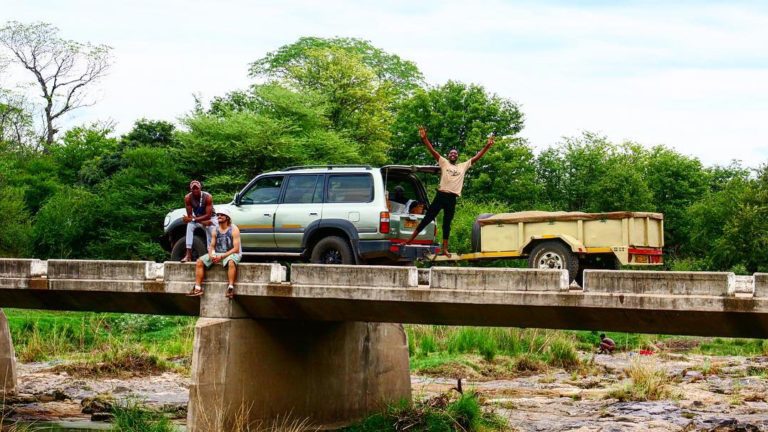
Just finished a 1000km road trip from Zimbabwe to Maun Botswana . Came through a tiny remote border with rough roads. Got to see loads of elephants and wildlife. Love off road remote trips. We in the Okavango Delta Botswana ,,,Whoop Whoop. @ Maun, Botswana.