
Thursday, June 11, 2026

Shumba and Busanga Bush Camp now open
0
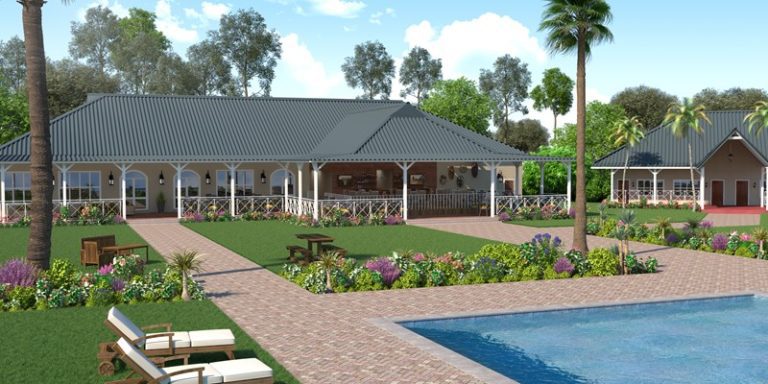
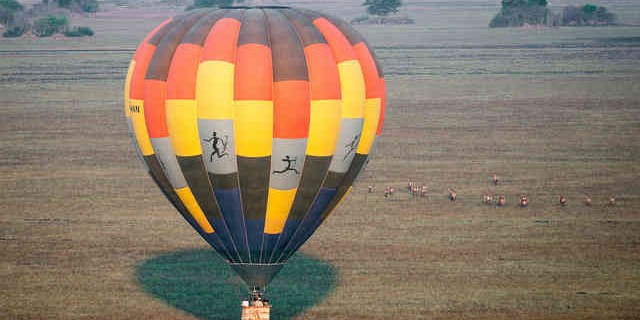
Wilderness Safaris’ Shumba and Busanga Bush Camp in Zambia’s Busanga Plains are now open until the end of October. Situated within 28 000 hectares of exclusive wilderness, both camps offer diverse experience in Kafue National Park. Busanga Bush Camp is a safari camp with four well-appointed tents, while Shumba offers six spacious and luxurious safari tents (including one family tent) on raised platforms. A range of activities includes game drives led by Wilderness Safaris guides and boating. Busanga’s hot-air balloon season begins on August 1 and is offered until the Kafue season ends on October 31. The one-hour trip is followed by a champagne breakfast served in the park’s vast grasslands. “Busanga Plains is a remarkable wilderness area to visit – your eyes will dart from elephant herd to buffalo, to kudu, puku, lechwe, zebra, sable and eland… and the list goes on. Birdlife is abundant, with over 500 species recorded throughout the park, ranging from raptors to the smaller, almost ghost-like ground species,” said Ron Goatley, Wilderness Safaris Zambezi MD. Every guest visiting the Busanga Plains also becomes a conservationist, helping Wilderness Safaris contribute more than $500 000 to Kafue National Park every year. Shumba and Busanga Bush Camp are only open during the five dry months of the year. – Tourism Update

Air Seychelles launches flights to Johannesburg
0
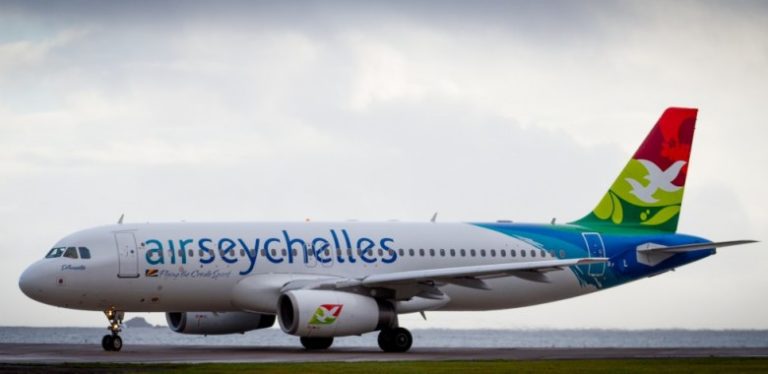
Air Seychelles launched a new daily service between the Seychelles and Johannesburg.
Flight HM061 from Seychelles to Johannesburg operated by the airline Airbus A320 aircraft featuring 16 business class and 120 economy class seats departed the Seychelles International Airport on Monday morning under the command of Captain Archille Young and First Officer Bertrand Mein.
The round trip service will depart O.R. Tambo International Airport at 1.45pm and will arrive in Seychelles at 8.40pm. Charles Johnson, Chief Commercial Officer of Air Seychelles said the airline was constantly looking at ways to maximize convenience and flexibility for our guests.
“After having added a sixth weekly frequency last year, we are thrilled to be now offering daily service between the two countries, which also demonstrates the importance of strengthening business, tourism and cultural ties between Seychelles and South Africa.
“Besides catering to both leisure and business travellers, together with the support of our codeshare partners we are also able to provide a combined experience to South Africa and beyond,” he said.  – IOL News

Wesgro launches video to showcase Cape trail running
0
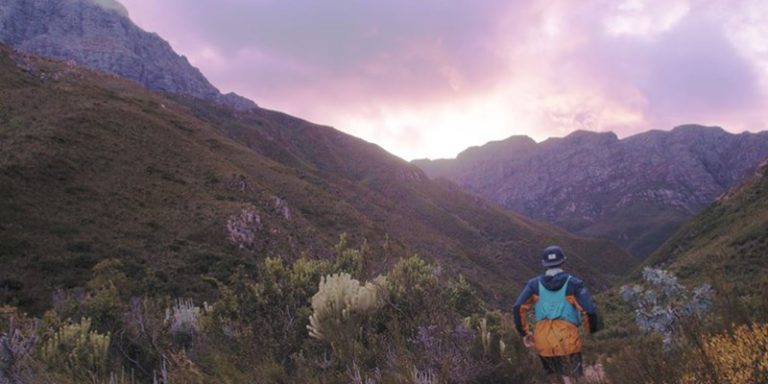
Wesgro has teamed up with top trail runners, Ryan SandesMeg MackenzieStu McConnachie and Nic Rupanga, to create a video series to show the world how incredible and diverse the Western Cape’s trails are. Called ‘Connected by Trail’, the series is made up of four 60-second videos and an eight-minute documentary. Wesgro CEO, Tim Harris, says the series explores not only the trails themselves but the trail-running community that has transformed the sport of trail running from a niche pastime to a mainstream activity. The series has been widely accepted by the greater running community, with big sports brands supporting the athletes and promoting it across their channels both locally and abroad, with other local businesses also supporting the videos. The series was shot in the Jonkershoek Nature Reserve, Mont Rochelle Nature Reserve and the Elgin Valley, and also showcases the myriad options available to adventure and outdoor enthusiasts visiting the region. In addition, many of these mountainous terrains are just minutes from the city, while regions such as the Cape Winelands and Cape Overberg, are just over an hour away by car. Western Cape Minister of Economic Opportunities and Finance, David Maynier, added. “One of the primary activities tourists to the Western Cape undertake is adventure sports and the province’s geography and scenery make it an ideal trail-running destination. The Connected by Trail series creates a stunning showcase of all that the province has to offer, and markets the Western Cape as an exciting trail running destination to the rest of the world. By creating experiences and opportunities that appeal to a wide range of visitors and interests, the Western Cape will be able to grow the tourism industry and boost job creation, in line with our Project Khulisa goals.” “From mountainous landscapes to rocky outcrops as old as the planet itself, the Western Cape is poised to become the next mecca of trail running and the Connected by Trail series is taking that message to the world,” concluded Harris. – Tourism Update

SAA announces a new interline partnership with Alaska Airlines
0
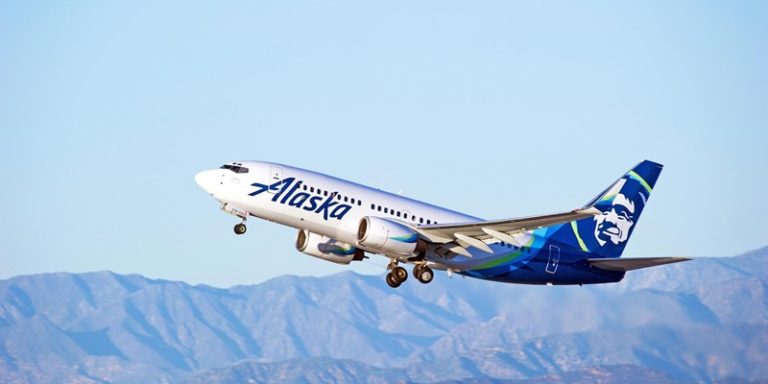
SAA has announced a new interline partnership with Alaska Airlines – the fifth-largest airline in the US – which will provide new and convenient flight options for passengers of both airlines travelling between North America and Africa. With immediate effect, travellers can purchase a single itinerary on flights of both carriers in a single transaction, enjoying connections via New York’s John F. Kennedy International Airport and Washington-Dulles International Airport, between Alaska Airlines’ expansive North American network and over 75 destinations in Africa served by SAA and its regional partners. The two airlines will now offer more options for travel between key US West Coast markets including Seattle, Los Angeles, San Francisco and Portland, and Africa. Travel will now be possible through a single electronic ticket, with interline baggage transfer upon check-in with either SAA or Alaska Airlines in the US and Africa. Todd Neuman, Executive Vice President of North America for SAA, says: “This interline partnership will enable SAA and Alaska Airlines to expand their route networks to provide some of the quickest and most convenient connections between many west coast US cities and some truly amazing destinations throughout Africa. Customers on both airlines will enjoy SAA’s renowned South African hospitality and Alaska’s warm and gracious service throughout their journey from two award-winning airlines.” – Tourism Update

New lodge to open in Victoria Falls

0
Victoria Falls in Zimbabwe will see a new lodge opening in April 2020. Pioneers, Victoria Falls, is currently under construction and is situated in the residential suburbs of Victoria Falls, 2km out of town and 3km from the entrance to the Falls. The lodge will have 50 well-appointed rooms with en-suite bathroom, all air-conditioned and positioned around a large manicured garden. The four family rooms will have two extra beds in a separate room and will share a bathroom. Facilities include a swimming pool, massage therapy, indoor and outdoor restaurants, lounges, WiFi and a bar. Director of the Lodge, Bruno De Leo, says: “Our sister property, Batonka Guest Lodge, opened in 2016 and has been very well received. In a short space of time, Batonka has developed a good reputation, winning accolades for Best Service and ranking highly with travel advisories. Pioneers will complement Batonka Guest Lodge as one of the few owner-run establishments in Victoria Falls, and will focus on delivering an honestly priced stay with a high level of service.” – Tourism Update

Sustainable conservation efforts for Elephants
0
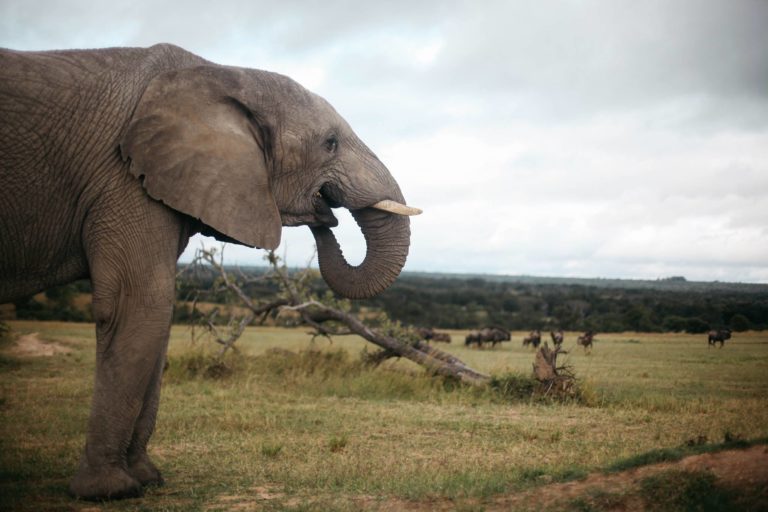
SPEAKING at the Kasane Elephant Summit in Botswana recently, President Mnangagwa bemoaned criticism Zimbabwe and the region face when it comes to conservation policies. Zimbabwe believes in sustainable utilisation of its wildlife and the animals must pay for their upkeep so should the region. The President said the country and the region have become victims of their success in conservation and deserve a pat on the back, not a slap. Needless to say, Zimbabwe is a world leader in sustainable conservation and is one of the must-visit destination in 2019 and it presents huge investment opportunities in the global wildlife and tourism economy. The country participated in the Kavango Zambezi (KAZA) minister’s conference in Victoria Falls, Kasane Elephant summit early this month and in June the UN/AU Wildlife summit will roar into life in Victoria Falls, all in an effort to ensure that wildlife benefits communities and people must invest in the country’s wildlife. All these summits are clear indications that Zimparks, the State enterprise responsible for maintaining and marketing wildlife resources led by its director-general Fulton Mangwanya, means what it says and says what it means in ensuring that, the country’s wildlife is sustainably utilised for the benefit of the country and the globe and of course with the support from Minister Prisca Mupfumira and President Mnangagwa. At 84 000, the country has the second biggest elephant population in the world, it’s one of the four remaining large sources of white and black rhino and this speaks volumes of how the country has managed to sustainably utilise its wildlife resources. In most of the country’s national parks, tourists can easily view the Big Five. Situated in the heart of Southern Africa, Zimbabwe was also known as Dzimbadzemabwe, (House of Stone) named after the ancient city of Great Zimbabwe, a cultural world heritage site. The country offers the visitor picturesque scenery both natural and artificial and a vibrant sustainable managed wildlife industry. Zimbabwe believes in sustainable utilisation of its natural resources and its tourism is basically wildlife-based hence the need to sustainably manage the resource for the benefit of its people especially the communities which bear the brunt of living with these animals. It seems some cherish these beautiful species above any concern of people who are killed and injured by these animals not to mention the destruction of livelihoods, some villagers have been impoverished by these animals. Over the last five years, more than 200 people have been killed in human-wildlife conflicts, more than 7 000 hectares of crops destroyed and thousands of livestock killed by wild animals. Without doubt, there is a stark difference between the way some from the West view elephants, through wildlife documentaries and Safari holidaying and the perception of those communities who live alongside these potentially dangerous and destructive animals. Hence the clarion call by leaders in the region who have the biggest elephant population to sustainably utilise the animals for the benefit of the communities and also for the protection of the resource, considering that communities are critical in the safety of these animals. There is no doubt that wildlife must significantly contribute towards the well-being of its citizens and the wildlife must pay for its upkeep while promoting the socio-economic development of the country. Zimbabwe through its wildlife conservation authority, the Parks and Wildlife Management Authority manages over five million hectares of pristine wildlife area which represents 13 percent of the country’s land area in addition to another 13 percent in rural areas. The country adopted international best practices in sustainable conservation and it is a key partner in conservation platforms such as the Convention on International Trade in Endangered Species of Wildlife Fauna and Flora (CITES), Convention on Biological Diversity (CBD), Ramsar Convention on Wetlands of International Importance especially as Waterfowl Habitat (RAMSAR), and United Nations Educational, Scientific and Cultural Organisation (UNESCO) World Heritage sites. Zimbabwe also part of the regional conservation initiatives such as the Transfrontier conservation areas such as Greater Mapungubwe, Great Limpopo and Kavango Zambezi (KAZA), which is the biggest conservation area in the world, with more than 520 000 square kilometres. More than a third of global elephants are found within KAZA-TFCA which borders five countries namely, Angola, Botswana, Namibia, Zambia and Zimbabwe. The Great Limpopo is a conservation area between Zimbabwe’s pristine Gonarezhou National Park, Mozambique’s Limpopo National Park and South Africa’s giant Kruger National Park. Zimbabwe has been translocating animals from time immemorial to all corners of the world and we have a track record of doing that. Some of the major zoos in the United States of America, Australia, United Kingdom, have wildlife from Zimbabwe in particular and Africa in general. Before any capture and translocation is done the Scientific Authority undertakes a feasibility assessment on all the receiving properties. And seeks the concurrence of the receiving country’s relevant authority. All translocations are done after all national, regional and international conditions have been satisfied to ensure that all exports will not be detrimental to the survival of the remaining source populations. The Scientific Authority advised that all exports processed will not be detrimental to the survival of elephants in the source populations. Regular surveys are done to inform the decision making of the translocation of animals. Apart from the nationwide aerial surveys of elephants and other large herbivores that are done periodically, we have a robust Ranger-Based Monitoring System that generates meaningful data which is processed by our Scientific Services to give insights on important management on indices of abundance population status and trends. We also have other populations in the Zambezi Valley where citizen science has become an integral part of our Species Monitoring System. The country has a National Elephant Coordinator responsible for facilitating the National Elephant Management Strategy (2015-2020) Implementation and Range area-specific elephant management plans. Zimbabwe has four main elephant range areas and each area has a management plan aimed at addressing specific issues relevant to that area, in sync with the master plan. The authority is already working on the framework for our post-2020 National Elephant Management Plan and contributing to regional elephant management frameworks such as the Kavango-Zambezi Transfrontier Conservation Area Elephant Management Framework and the Great Limpopo Elephant Management Framework under preparation. All animals which have been translocated from Zimbabwe were legally obtained following our national laws and applicable CITES regulations were also followed. Needless to say, before any export permit is processed, verification is sought with the Management Authority of the receiving country and similarly with the Scientific Authorities of the source country which is Zimbabwe. Our systems might not be perfect, just like any other system, but I have no doubt that all animals were exported (and will be exported) following the laid down live animal regulations of the International Transport Association (IATA). It is an indisputable fact that most of the wildlife is in dry areas and this year there was a drought, therefore there is a need for the provision of water to the animals. There is no river in Hwange, the biggest national park in the country and it is run on 100 percent borehole water and it needs resources to pump water for our elephants. The biggest threat to the survival of our elephants is loss of habitat and climate change induced-drought hence the need to manage the population of our animals. Over the years, money realised from trophy hunting or animal live sales is invested back into conservation, Hwange, for example, is made up of Kalahari sands and the drilling can go as deep as 200m in search of the precious liquid, and this needs resources, hence our call that the animals must pay for their upkeep. Apart from the provision of water, there is a need for law enforcement, a vehicle for patrols, radio communication, fuel among other operational needs. Needless to say, Government is facing other social competing needs like education, health among others and it will be expecting milk from hen to expect Zimbabwe to prioritise our wildlife when people are dying due to shortages of drugs, yet the animals can be sustainably utilised for their up and benefit of the current and future generations. – Herald

RwandAir to introduce flights to Israel
0

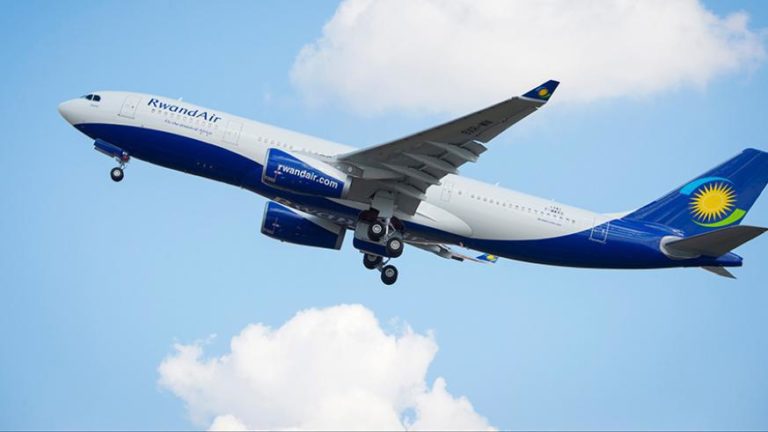
National carrier RwandAir will commence direct flights to Tel Aviv – Israel’s economic and technology hub – on June 25th, the airline has announced.

This will be the airline’s 29th destination and second destination in the Middle East, after United Arab Emirates.

RwandAir will fly to Tel Aviv three times a week from Kigali.

The new route will be operated on Tuesdays, Thursdays and Saturdays by a Boeing 737-800NG offering 16 seats in business class and 138 seats in economy class, according to the carrier.

The airline’s officials say that the development will among things strengthen ties between the two friendly nations as well as boost business.

Yvonne Manzi Makolo, RwandAir’s Chief Executive said that adding Tel Aviv to their network is part of the carrier’s long term plan to link Rwanda to the rest of the world.

“Tel Aviv is one of the world’s leading tech hubs and we look forward to flying business travelers as well as pilgrims visiting the Holy Land, to and from our network on this new route.

It will also be a great opportunity to ease travel and strengthen diplomatic ties between the two countries.”

The route is further expected to be relevant as it will also connect regional travelers to the Middle Eastern country.

According to the airline, tickets are now available for sale through RwandAir website, sales offices and travel agencies.

RwandAir has been in recent years expanding to new destinations as it seeks to reach previously unserved markets, which has had multiple impacts including boosting hospitality sector performance.

In April, the airline launched flights to DR Congo’s capital, Kinshasa.

Have You Tried This Favourite Zimbabwean Delicacy?
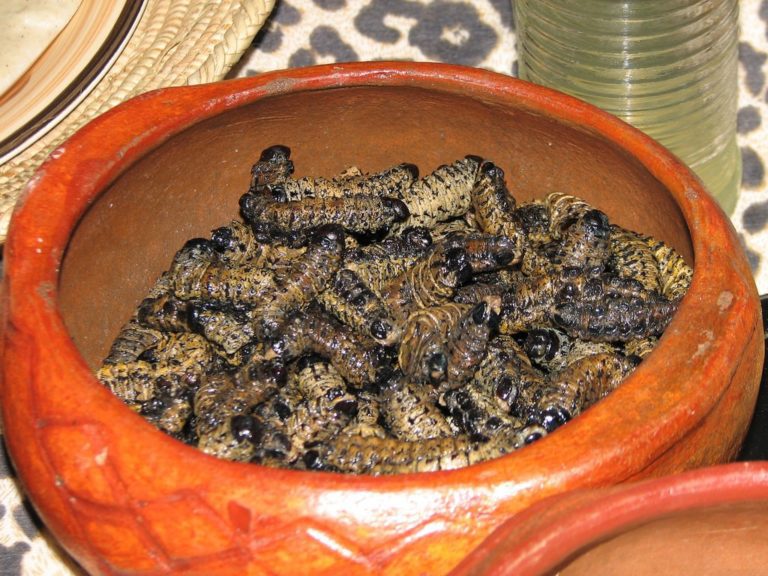
From expensive restaurants to local village eateries, this local delicacy is considered an absolute favourite in Zimbabwe. They are available in most supermarkets and are more costly than most other foods. While you may shudder at the thought of eating a worm or caterpillar, others would say that a well-cooked mopane worm is a treat worth trying! Popularly known as ‘amancimbi’ in Ndebele or ‘madora’ in Shona, mopane worms have been a good source of protein for generations across Southern Africa. The worm is really a large caterpillar belonging to the Gonimbrasia belina species, more commonly known as the Emperor moth. It is named ‘mopane’ because it feeds on the leaves of mopane trees after it hatches in summer, and can only be found in southern African countries.

History

There is no documented history of the mopane worm dish in Zimbabwe. However, a stone-age pit discovered at Pomongwe Cave in Zimbabwe showed a deposit of dried mopane worms that are believed to be almost 6,000 years old.

According to Food and Agriculture Association (FAO) the mopane caterpillar is one of the best-known and most economically-important forestry resource products of the mopane woodlands in southern Zimbabwe, Botswana and northern South Africa.

Research has found that mopane worms are not only good for eating from a nutritional standpoint, but they also may be key to maintaining the ecological balance of the dry bush they inhabit.

Cooking the Mopane Worms

They are harvested during the rainy season, after which they are cleaned, sun-dried for preservation, and made available for consumption throughout the year.

The tasty worms can be eaten dry and crispy as a snack or can be drenched in sauce, or added to porridge made from maize – a staple food in Zimbabwe. Most people prefer to fry the worms with a combination of tomatoes, garlic, peanuts, chillies, and onions. Some of the recipes to cook the caterpillar can be found online.

Mopane worms can also be added to a stew, boiled to soften them up, or simply eaten raw and fresh off a tree. When they are fresh, they are less chewy and their distinctive and unique flavour is undiluted by other ingredients.

Major hotel group embarks on major refurbishment programme
0
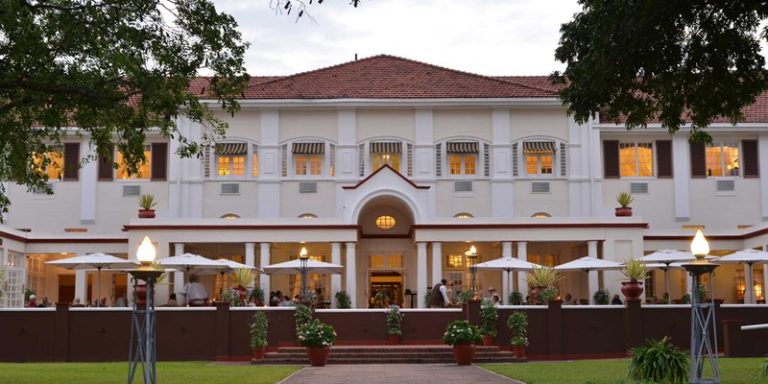
African Sun Hotels started on a €9.8m refurbishment programme in 2018 for its various hotels. Major works already completed include the installation of guest lifts in Holiday Inn Harare, Holiday Inn Bulawayo and Holiday Inn Mutare. New beds have also been purchased for the following hotels: Caribbea Bay Resort, Great Zimbabwe Hotel, The Kingdom at Victoria Falls, Holiday Inn Bulawayo, Holiday Inn Harare, Holiday Inn Mutare, Troutbeck Resort, and Hwange Safari Lodge. Further upgrades include refurbished and upgraded conference rooms at Holiday Inn Harare, Holiday Inn Bulawayo and Holiday Inn Mutare.
Holiday Inn Harare Holiday Inn Harare has upgraded its restaurant and gym facilities. The restaurant has seating capacity for 140 people, of which 20 can be accommodated in the VIP section and 26 in the newly created private dining room adjacent to the restaurant. The gym has also been rebuilt to Intercontinental Hotels Group standards and can accommodate 12 guests. Holiday Inn Bulawayo Holiday Inn Bulawayo’s new restaurant has a seating capacity of 145 people, of which up to 30 guests can be accommodated in the new VIP section. The gym at Holiday Inn Bulawayo has also been upgraded to IHG standards and has a capacity of 15 people. Holiday Inn Mutare Holiday Inn Mutare has upgraded its rooms and redeveloped the restaurant, which is due to open on May 30. The gym facility has also been upgraded to IHG standards, and will also open on May 30. Tented Camps at Caribbea Bay Resort and Great Zimbabwe Hotel New campsites have been established at Caribbea Bay Resort and Great Zimbabwe Hotel. New facilities include new ablution facilities and slabs for tents and cooking areas. The campsites are under construction and are due to be completed by June 15. The Caribbea Bay campsites will have a capacity for 35 tented camps, sleeping up to 70 people; the Great Zimbabwe Hotel campsites will have a capacity of 40 tented camps, sleeping up to 80 people. Bathrooms and bedrooms at Great Zimbabwe Hotel will be upgraded with new furnishings and finishings, with completion due by December 15. Troutbeck Resort and the Victoria Falls Hotel Troutbeck Resort will also upgrade its bedrooms and bathrooms with work due to be completed by November 30. The Victoria Falls Hotel will upgrade its bedrooms and bathrooms. The mock-up rooms will be complete by July 30, with the main roll-out due to begin on September 1 with completion by September 30, 2020. Source: Tourism Update

5 Historical Sites You Must See In Zimbabwe
Zimbabwe has a rich history with remnants dating back centuries and archaeological structures only matched by the Great Pyramids of Egypt. Like many proud African nations, Zimbabwe maintains a strong connection with its ancient past. Here are 5 of the best historical sites in Zimbabwe.

1. Mosi oa Tunya (Victoria Falls)

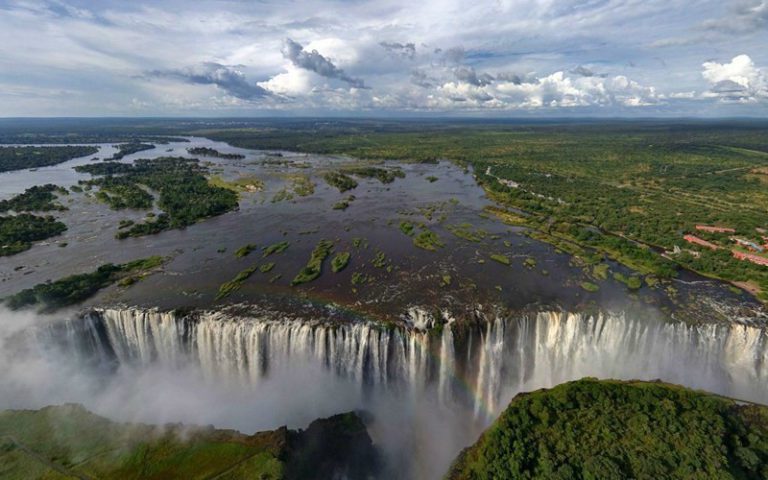
Known as one of the seven natural wonders of the world, the Victoria Falls form one of the most spectacular World Heritage Sites. The falls are about 1.7 kilometres wide and gush thousands upon thousands of litres of water into the gigantic chasm below every minute. The falls have garnered much attention over the centuries, and have been marvelled at by a diverse range of figures including early Zimbabwean missionaries and ancient tribes who conducted worship rituals at the site, as well as leading modern figures such as David Livingstone.

2. Ruins of Great Zimbabwe

Ancient ruins of prehistoric Great Zimbabwe. The Great Zimbabwe Ruins are one of the best-known artifacts of African civilization formed in the centuries and millennia before the Industrial Revolution. Appealing to history buffs and thrill-seekers alike, these ruins are truly a wondrous spectacle to behold. Dating back to a great kingdom in the 11th century, these ruins are made entirely of hewn stone, and are held together with no mortar or other visible mechanisms at all. Instead, the whole structure remains upright seemingly through nothing but the sheer force of gravity and balance, with rock assembled upon rock fascinatingly. To behold the magnificent remains of this once great civilization, head on over to the Zimbabwean southern city of Masvingo, where the ruins lie a short way outside the center. Watch out for: numerous enclosure-like structures

3. Matopos Hills

The Matopos Hills/Matobo Hills are famous for their ancient rock paintings, generally attributed to ancient cave dwellers who lived in the land some 2000 years back. These paintings depict a civilization that left little in the way of written records, but some aspects of life in that era may be gleaned from the artwork itself. The Hills themselves have been enclosed in a stunning national park, a place which houses the remains of the great explorer Cecil Rhodes, too.

4. Khami Ruins

Found near Bulawayo, Zimbabwe’s second largest city, the Khami ruins and National Monument are relics of civilization in many ways similar to the one remembered at the Great Zimbabwe location. It features the stone walls enclosures of an ancient civilization and the cultural hallmarks of a great “mambo”, or king. The stone structures are terraced into multiple levels, albeit less well-preserved than those at the Masvingo-based Great Zimbabwe. However they remain unmissable, as they are made of complex and intricate stone-work, and their study has led to much progression of knowledge regarding the Stone-Age civilizations of old.

5. Batonga Museum

According to historical archives, the BaTonga peoples arrived in Zimbabwe in about AD 300. The BaTonga Community Museum contains historical and educational information about the culture and life of the BaTonga people. The museum is located in Binga on the shores of Lake Kariba. The BaTonga tribe had a culture focused around fishing and growing crops, along with hunting and gathering. This traditional way of life was largely disrupted by the construction of the Grand Lake Kariba, the nation’s largest lake, in 1956. The museum showcases the ways and life of this ancient group of people throughout the centuries.