
The proposed high-speed rail link between Gauteng and Limpopo is gaining momentum and promises enhanced connectivity and economic integration in South Africa, according to government. And the Gauteng Tourism Authority (GTA) says it will also drive tourism.
This ambitious initiative, a collaboration between the provincial governments of Gauteng and Limpopo, has reached significant milestones and promises transformative benefits for the region’s commuters, businesses and tourists, says government.
An October meeting between Limpopo Premier Dr Phophi Ramathuba and Gauteng Premier Panyaza Lesufi, held in Mookgophong, saw the approval of an implementation protocol and the start of a process to appoint a Joint Project Manager.
Barba Gaoganediwe, Spokesperson and Head of Destination Marketing and Communication at Gauteng Tourism Authority, told Travel News: “The rail connection will ease traffic, improve economic and regional integration, and propel tourism and business exchange while creating a direct corridor link with Zimbabwe, one of the country’s biggest trading partners.”
The rail link will span approximately 420 kilometres, connecting Pretoria to Polokwane in the first phase and extending to Louis Trichardt and Musina in the second.
The train will pass through key towns, including Hammanskraal, Bela-Bela, and Mokopane, aiming to transform these areas into economic hubs.
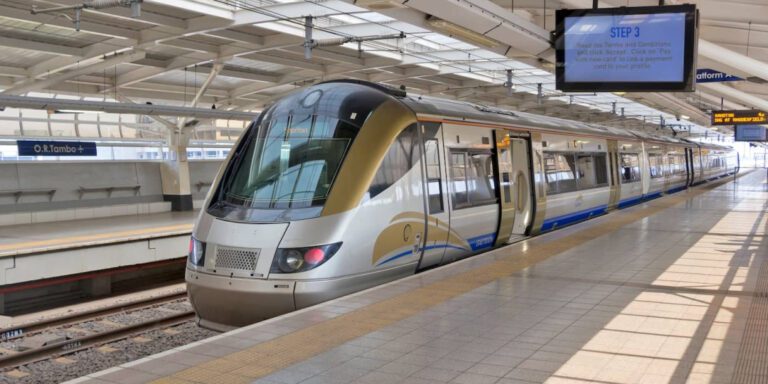
The Gautrain is also planning a massive expansion in 2026, adding another 150km of track and 19 new stations across Gauteng – this expansion will link up with the new line to Limpopo.
For businesses, the rail line offers an efficient logistics route, while tourists will enjoy greater accessibility to the region’s attractions, GTA says.
The project aligns with President Cyril Ramaphosa’s National Rail Masterplan, which prioritises high-speed rail as a catalyst for economic growth.
The rail link is expected to enhance tourism through joint marketing initiatives between the provinces, including promoting a golfing route and shared signature events.
“For us in tourism, this is a welcome boost as the two provinces share similar characteristics of being inland with close language and cultural profiles,” said Gaoganediwe.
While the final timeline for the project’s completion remains unclear, the new masterplan is expected to be finalised by the end of 2025.